Tag Archive for: fix and flip properties

Most Investors Focus on the Wrong Number

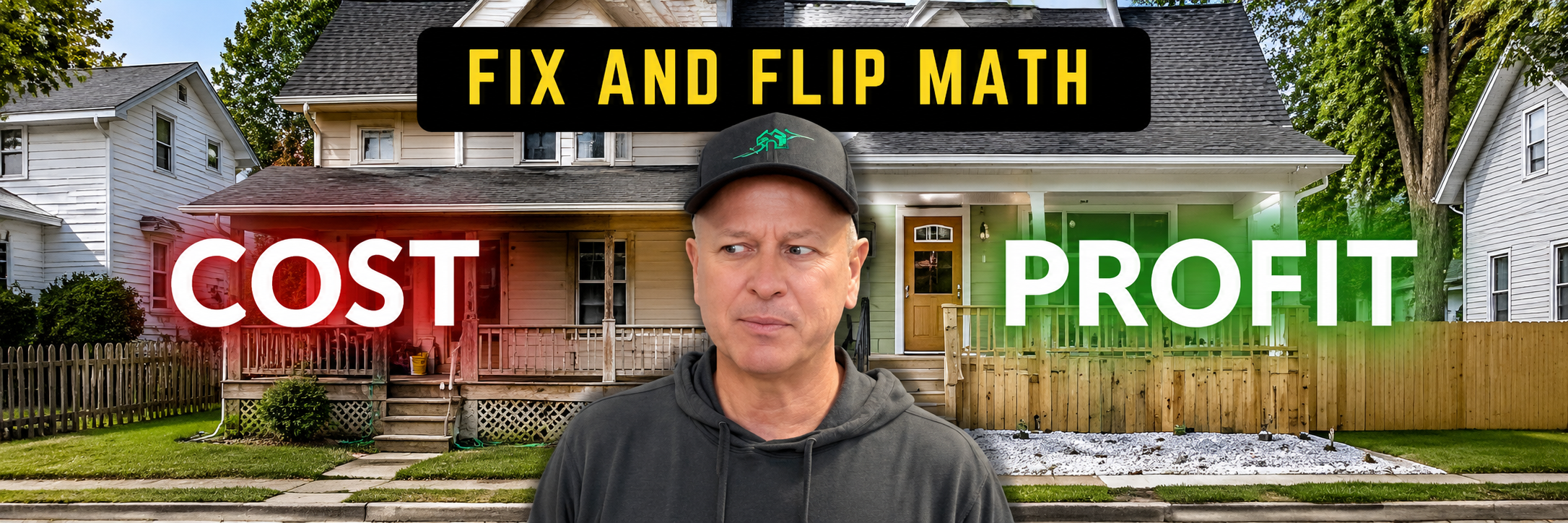
When most people first look at a flip, they focus on profit. They look at the purchase price, the estimated repair costs, and the future sales price. Then they quickly assume the difference is what they will make. However, fix and flips are rarely that simple. There are many costs that show up between purchase and sale, and those costs can eat through profits fast. That is why understanding Fix and Flips: What They Really Cost (And What You Actually Make) is so important for new and experienced investors alike.

Many investors jump into a project thinking the lender will cover almost everything. Then, a few months later, they realize they are short on cash, behind on payments, and struggling to keep the project moving. The good news is this does not have to happen. Once you understand the numbers, you can prepare ahead of time and avoid many of the problems that hurt investors.

The Biggest Mistake Investors Make

One of the biggest mistakes investors make is trusting someone else’s numbers without running their own test first. For example, an investor recently sold a property expecting a large profit. Instead, after everything was paid, they only made around $1,000. The problem was not the idea of flipping houses. The real problem was they never fully tested the numbers before buying the property.

This happens more often than people think. Sometimes repair costs come in higher than expected. Other times the project takes longer than planned. In many cases, investors simply forget about monthly payments, closing costs, or surprise repairs. As a result, the expected profit slowly disappears. That is why smart investors run their numbers before they buy, not after.

A Real Example of a Flip

Let’s look at a simple example. In this project, the investor purchases a property for $250,000 and plans to spend $50,000 on repairs. After studying the market and running comparable sales, they believe the property will sell for about $400,000 after repairs are complete.

At first glance, this deal looks fantastic. Many investors immediately think they will make around $100,000 because the total project cost appears to be $300,000 while the future sales price is expected to be $400,000. However, that number does not include many of the real-world costs involved in a fix and flip project.

Closing Costs Catch Many Investors Off Guard

One of the first surprise expenses for many investors is closing costs. When you buy a property using financing, there are lender fees, title charges, appraisal fees, and other expenses that must be paid upfront. In this example, the estimated closing costs are around 3% of the purchase price.

That means the investor needs extra money available before the project even begins. Many people underestimate these costs because they focus only on the purchase price and rehab budget. However, closing costs are real expenses that immediately affect cash flow.

Every Flip Has Surprises

Another major cost investors forget about is the surprise budget. Almost every project has changes, upgrades, or hidden problems that show up during construction. Maybe the bathroom layout needs to change. Maybe the landscaping becomes more expensive than expected. Sometimes investors decide to upgrade finishes after seeing the property come together.

These surprises are part of the business. Therefore, experienced investors plan for them before they start the project. Instead of hoping nothing goes wrong, they build reserves into their budget so they can handle problems quickly without slowing the project down.

Escrow Pre-Funds Create Cash Flow Problems

Many new investors also misunderstand how rehab funds work. In most cases, the lender reimburses repair money after the work is completed. That means investors often need to pay for materials and labor before the lender sends money back.

For example, cabinets may need to be ordered upfront. Windows may require deposits. Contractors may ask for money before starting work. As a result, investors need extra available funds just to keep the project moving smoothly. In this example, the investor needed about $7,500 set aside for escrow pre-funds alone.

This is one reason projects slow down. When investors run out of available funds, contractors stop working, materials get delayed, and profits start shrinking.

What the Lender Really Covers

In this example, the lender funded 90% of the purchase price and 100% of the rehab budget. At first, that sounds like almost everything is covered. However, the lender still did not pay for many important costs.

The investor still needed money for the down payment, closing costs, monthly payments, reserves, and escrow pre-funds. This is where many investors get surprised. They think the lender funding means they barely need any cash. In reality, successful flips usually require much more available money than people expect.

Carry Costs Add Up Fast

Every month a project stays open costs money. Therefore, speed matters greatly in the fix and flip business. In this example, the project used a 10.25% interest rate and was expected to last five months. The monthly payment came out to around $2,300 per month, which added up to almost $12,000 during the life of the project.

Now imagine the project gets delayed by several more months. Suddenly, extra payments continue piling up while profits continue shrinking. That is why experienced investors focus heavily on keeping projects moving quickly. Faster projects usually mean lower costs, less stress, and stronger profits.

The Real Amount of Money Needed

This example shows why investors need to understand the difference between lender funding and available funds. The lender funded around $275,000 toward the project. However, the investor still needed nearly $56,000 in additional available funds to make the deal work properly.

That money covered the down payment, closing costs, monthly payments, reserves, surprise expenses, and escrow pre-funds. Because of that, smart investors prepare ahead of time by setting up cash reserves, business credit cards, lines of credit, HELOCs, or private money partnerships.

The goal is simple. You want enough available funding to keep the project moving without delays.

Speed Protects Profits

One of the biggest lessons in flipping houses is that speed protects profits. When contractors get paid on time, projects move faster. When materials arrive quickly, work continues without delays. However, when investors constantly chase money, projects slow down and costs grow.

Every extra month creates more payments, more stress, and smaller profits. That is why experienced investors spend so much time preparing funding before they close on a deal. The smoother the money flow, the smoother the project usually runs.

What Investors Really Make on a Flip

Many people see a $400,000 future sales price and assume the investor keeps all the extra money above costs. However, profits get divided quickly. In this example, part of the remaining money goes toward real estate commissions, closing costs, interest payments, and other project expenses.

The investor may still make a strong profit, but the final number is usually much lower than beginners first imagine. That is why running the numbers before buying is so important. Understanding the true costs helps investors avoid bad deals and focus on projects that actually create solid returns.

Final Thoughts on Fix and Flips

Fix and flips can be a fantastic way to build wealth. However, the investors who succeed long term usually understand their numbers very well. They know what the lender covers, what they must cover themselves, and how much available cash they need before starting the project.

Most importantly, they understand that speed matters. Projects that move quickly usually create better profits and less stress. Therefore, before buying your next deal, take the time to run the numbers carefully. Understand your costs, build reserves, and make sure your funding is fully prepared before closing.

When you do that, you give yourself a much better chance to enjoy the process, protect your profits, and move confidently into your next project.

Watch our most recent video to find out more about: Fix and Flips: What They Really Cost (And What You Actually Make)

by

Why New Investors Should Only Buy One Property in 2026

Real estate investing can change your life. However, many new investors try to move too fast. They want five properties, ten rentals, or multiple flips right away. Sadly, that rush often leads to stress, bad deals, and lost money. That is exactly why Why New Investors Should Only Buy One Property in 2026 is such an important idea. Instead of chasing volume, focus on buying one GOOD property. Learn the process. Know your numbers. Build confidence. Then grow from there. In fact, one strong deal can do more for your future than five bad ones.

The Goal Is Not More Properties

Many new investors believe success means buying as many properties as possible. However, smart investors know something different.

The real goal is simple:

  • Buy right
  • Keep risk lower
  • Learn the process
  • Create cash flow or profit
  • Build confidence

Because of that, your first property matters more than your fifth. One good rental or flip can completely change how you look at money, income, and wealth.

One Good Property Can Change Everything

A new investor recently spent months looking at deals before buying his first flip. At first, that felt slow. However, he stayed patient, kept learning, and focused on the numbers. Eventually, he found the right property. At first, he expected to make a decent profit. Instead, the deal turned into a six-figure flip because he bought a GOOD property and stayed disciplined. That is the power of patience.

Meanwhile, many investors jump into the first deal they see. Then they end up with:

  • Too much rehab
  • Bad cash flow
  • Delays
  • Stress
  • Thin profits
  • Negative monthly payments

So, instead of trying to buy many properties in 2026, focus on getting one property right.

Good Deals Take Time

Real estate is a numbers game. Therefore, you must expect to look at many deals before finding a winner.

You may need to:

  • Look at 100 properties
  • Analyze 20 possible deals
  • Submit several offers
  • Wait months for the right opportunity

That is normal. In fact, many successful investors spend more time saying “no” than saying “yes.” Furthermore, patience protects your money.

Know Your “All-In” Number

One of the biggest mistakes new investors make is only looking at the purchase price. However, smart investors look at the TOTAL cost. This is called your “all-in” number.

Your all-in number includes:

  • Purchase price
  • Rehab costs
  • Closing costs
  • Holding costs
  • Loan payments
  • Utilities
  • Insurance
  • Taxes
  • Selling costs

Everything counts. Because of that, you must know your total investment before you buy.

The 75% Rule Helps Protect You

Many experienced investors use a simple guideline. They want to stay around 75% all-in compared to the final property value.

Here is a simple example:

  • Final property value: $300,000
  • Maximum all-in amount: $225,000

That leaves room for:

  • Profit
  • Delays
  • Market changes
  • Unexpected repairs

More importantly, it helps protect beginners from disaster. Because in 2026, protecting your downside matters just as much as chasing upside.

Your First Deal Is About Confidence

Your first property is not just about money.

It is also about learning:

  • How contractors work
  • How loans work
  • How holding costs work
  • How timelines move
  • How inspections happen
  • How numbers affect profits

Therefore, your first deal should build confidence, not chaos. Once you finish one successful property, the second one feels easier. Then the third feels even easier. That confidence becomes powerful.

Rentals Still Need Strong Numbers

Some people think rental properties are automatically safe. Sadly, that is not always true. A rental only works if the income works.

Therefore, before buying, ask:

  • What is the expected rent?
  • What are the taxes?
  • What is the insurance cost?
  • What are the loan payments?
  • What repairs are needed?
  • Will this property truly cash flow?

For example:

If a property brings in $2,000 per month but costs $2,100 per month to own, you are losing money every month. That is not investing. That is stress. So, know your target cash flow before you buy.

Competition Matters in 2026

In many markets, more homes are sitting for sale longer than before. Because of that, investors must pay attention to inventory. If too many homes compete against yours, values can soften.

That means:

  • Flips may sell slower
  • Rental appraisals may come in lower
  • Profits may shrink

Therefore, focus on areas where:

  • Homes move quickly
  • People want to live
  • Demand stays strong
  • Inventory stays lower

Good areas help create better exits.

You Do Not Need to Be Perfect

Many new investors wait forever because they fear making mistakes. However, you do not need perfection.

You simply need:

  • Better numbers
  • Better patience
  • Better planning
  • Better buying decisions

That is why one property makes sense in 2026. It gives you room to learn without overwhelming yourself.

Focus on Learning the Process

The investors who succeed long term usually master the basics first.

They learn how to:

  • Run numbers
  • Find deals
  • Talk to agents
  • Work with wholesalers
  • Understand financing
  • Estimate repairs
  • Manage timelines

Then they scale later. Because of that, 2026 should be your learning year. Not your rushing year.

Buy Right First

In real estate, the buy matters most. A good buy gives you options. Meanwhile, a bad buy creates pressure.

That is why smart investors focus heavily on:

  • Buying below value
  • Knowing the market
  • Running numbers carefully
  • Understanding repairs
  • Planning for delays

The better you buy, the safer your deal becomes.

One Property Can Change Your Trajectory

Many people think they need dozens of properties to build wealth.

However, one strong deal can create:

  • Confidence
  • Experience
  • Cash flow
  • Extra savings
  • Funding for the next deal
  • Better loan options later

Then momentum starts building. In fact, five good properties over several years can completely change your income and future. But first, you need property number one.

Final Thoughts

2026 does not need to be the year you buy everything. Instead, let it become the year you buy wisely.

Focus on:

  • One good property
  • Strong numbers
  • Patience
  • Learning
  • Confidence
  • Better buying decisions

Because when you buy right, everything becomes easier later. Take your time. Run your numbers. Learn the process. Then let that first great deal help build the future you really want.

Watch my most recent video to find out more about: Why New Investors Should Only Buy One Property in 2026

by

Why Most New Investors Struggle

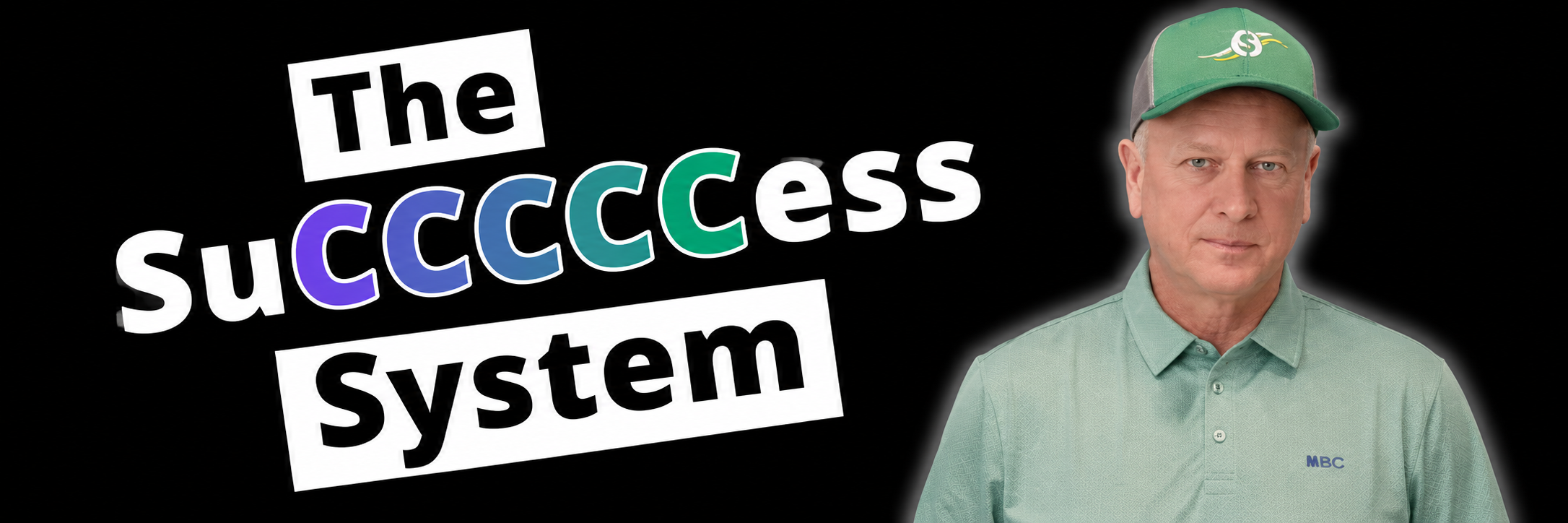
“The SuCCCCCess System – The Safest Way to Invest in Real Estate” starts with one simple truth. Most people want more freedom, more income, and more wealth. However, many people jump into real estate too fast. As a result, they buy the wrong property, in the wrong market, with the wrong plan. That is where problems begin. Some investors buy a rental that loses money every month. Others start a flip without enough funding. Meanwhile, many investors chase deals just because someone online said it was a “great opportunity.” Sadly, that usually leads to stress instead of freedom. Real estate can absolutely change your future. However, you need a safer and smarter path. That is exactly why the SuCCCCCess System was created. It helps investors slow down, test deals, and build a real plan before they risk their time and money.

What Is the SuCCCCCess System?

The SuCCCCCess System is a simple real estate investing framework built around the most important parts of safe investing. Instead of guessing, you create a plan. Refrain from chasing hype, instead, test numbers. Before buying random properties, you focus on deals that fit your goals.

Most importantly, the system helps investors create:

  • More clarity
  • More certainty
  • More confidence
  • Better long-term results
  • Less fear and stress

The goal is not to buy 100 properties overnight. Instead, the goal is to help everyday people build three to five strong properties that improve their future over time.

The First C Is Clarity

Why Clarity Matters in Real Estate Investing

Most new investors skip clarity. Instead, they jump right into looking at properties. That is dangerous. Before you buy anything, you need to know what you actually want your life to look like. Otherwise, every deal starts to look exciting.

For example:

  • Do you want an extra $300 per month?
  • Would $700 per month change your life?
  • Do you want rentals paid off in 20 years?
  • Are you trying to create retirement income?
  • Do you want freedom for travel and family time?

Without clarity, investors chase random deals. Eventually, they buy properties that do not help them reach their goals. However, when you know your target numbers, everything changes.

Clarity Helps You Avoid Bad Deals

Imagine two investors.

The first investor sees a property online and immediately wants to buy it because it “looks good.”

The second investor already knows:

  • Their monthly cash flow target
  • Their ideal market
  • Their price range
  • Their rent goals
  • Their long-term plan

Which investor do you think has a safer future?

The second investor wins most of the time because they have clarity first.

That clarity helps them avoid:

  • Negative cash flow
  • Overpriced properties
  • Bad neighborhoods
  • Weak rental markets
  • Stressful projects

Instead of guessing, they follow a plan.

The Second C Is Certainty

Safe Investors Test Everything

After clarity comes certainty. This is where investors begin testing markets, zip codes, neighborhoods, rents, repair costs, and property values. In other words, they stop hoping and start verifying.

For example, smart investors test:

  • Rental rates
  • Property taxes
  • Insurance costs
  • ARV values
  • Neighborhood trends
  • Repair budgets
  • Market direction

They also compare different strategies. Sometimes a duplex works better than a single-family home. Other times, a BRRRR property makes more sense than a flip. The key is simple. Run the numbers first.

You Do Not Need to Be a Math Wizard

Many people think real estate investing is complicated. Thankfully, that is not true. You do not need fancy spreadsheets or advanced math skills. Instead, you simply need a few easy tools and a process you can repeat.

For example, you can test:

  • Expected rents
  • Loan payments
  • Rehab costs
  • Cash flow
  • Carry costs
  • Profit margins

Then, you compare the results against your goals. That creates certainty. As a result, you stop buying based on emotion. Instead, you buy based on numbers and logic.

Certainty Helps Remove Fear

Fear usually comes from uncertainty. When investors do not understand a market, they feel nervous. Likewise, when they do not understand their numbers, every deal feels risky. However, testing creates confidence.

For example, imagine an investor who already knows:

  • The market rent
  • The after repair value
  • The estimated rehab budget
  • Their monthly payment
  • Their projected cash flow

That investor feels calmer because they understand the deal before signing a contract.

Therefore, certainty helps investors:

  • Make smarter offers
  • Ignore hype
  • Stay focused
  • Avoid emotional decisions
  • Protect their money

Most importantly, certainty helps people sleep better at night.

The SuCCCCCess System Helps Investors Play Their Own Game

One of the biggest mistakes in real estate is trying to copy everyone else. Some investors love rentals. Others enjoy fix and flips. Meanwhile, some focus on vacation rentals, pad splits, or BRRRR properties. There is nothing wrong with any of those strategies. However, you need to choose the strategy that fits your goals, lifestyle, and risk level.

For example:

  • A busy parent may want long-term rentals
  • A hands-on investor may enjoy flips
  • A cash flow investor may prefer small multifamily properties
  • A beginner may want a simple single-family rental first

The SuCCCCCess System helps investors stay in their own lane instead of chasing shiny objects online.

The Safest Way to Invest in Real Estate Is Slowly and Clearly

Many people believe success comes from speed. In reality, success usually comes from patience and planning. The safest investors are not always the flashiest investors. Instead, they are the people who:

  • Test their numbers
  • Buy carefully
  • Keep reserves
  • Use smart funding
  • Stay focused on cash flow
  • Build slowly over time

That approach may not look exciting on social media. However, it often creates better long-term wealth and much less stress. Remember, one good property can change your future. Then another good property can change it even more. Eventually, three to five strong deals may completely change your life. That is the real goal of the SuCCCCCess System.

Start With Simple Steps

You do not need to know everything today.

Instead, start with simple actions:

  1. Get clear on your goals
  2. Test your market
  3. Learn your numbers
  4. Understand your funding
  5. Build confidence slowly
  6. Focus on good deals, not fast deals

Most importantly, remember this: Safe investing is not about luck. It is about clarity, certainty, and having a real plan before you buy.

Final Thoughts on the SuCCCCCess System

“The SuCCCCCess System – The Safest Way to Invest in Real Estate” is not about hype or chasing overnight riches. Instead, it is about helping everyday people make smarter real estate decisions. When you combine clarity with certainty, you create confidence. Then, confidence helps you move forward safely and wisely. Real estate investing does not need to feel scary. With the right system, simple math, and a clear plan, you can create more freedom, more income, and more wealth over time. One good deal at a time.

Watch my most recent video to find out more about: The SuCCCCCess System – The Safest Way to Invest in Real Estate

by

The Smarter Version of the BRRRR Method

Most real estate investors have heard of BRRRR. However, many people jump into deals without knowing if the numbers will actually work. As a result, they buy properties, fix them up, rent them out, and then discover they cannot refinance the deal the way they planned.

That is why more investors are moving toward The Smarter Version of the BRRRR Method.

Instead of starting with the buy, smart investors start with the end goal first. They run the numbers backward before they ever purchase the property. In other words, they flip the BRRRR method around and make sure the deal works before they jump in.

This strategy helps investors avoid bad deals, reduce stress, protect cash flow, and build rental properties they actually want to keep.

The goal is simple:
Know your numbers before you buy.

The idea comes directly from the reverse BRRRR strategy discussed in your transcript.

What Is the Traditional BRRRR Method?

The BRRRR method stands for:

  • Buy
  • Rehab
  • Rent
  • Refinance
  • Repeat

For years, investors have used this strategy to build rental portfolios.

First, they buy a fixer-upper. Next, they repair the property. Then, they rent it out. After that, they refinance into a long-term loan. Finally, they repeat the process. Although this system can work well, many investors skip one important step. They never test the refinance before they buy.

Because of that, they often end up with:

  • Low cash flow
  • Higher payments
  • Bad refinance terms
  • More money stuck in the deal
  • Extra stress

The Problem With the Old BRRRR Strategy

Many investors get excited about a property too early. For example, they may find a cheap house and think:
“This looks like a great deal!”

However, they never stop to ask:

  • Will this property refinance?
  • Will the rents support the payment?
  • Will the DSCR ratio work?
  • Will the area grow in value?
  • Will this property actually create income?

As a result, they move too fast.

Later, they discover:

  • The rents are too low
  • Taxes are too high
  • Insurance costs hurt cash flow
  • The refinance loan falls short
  • The monthly payment eats up profits

Sadly, this happens all the time.

The Smarter Version of the BRRRR Method Starts Backward

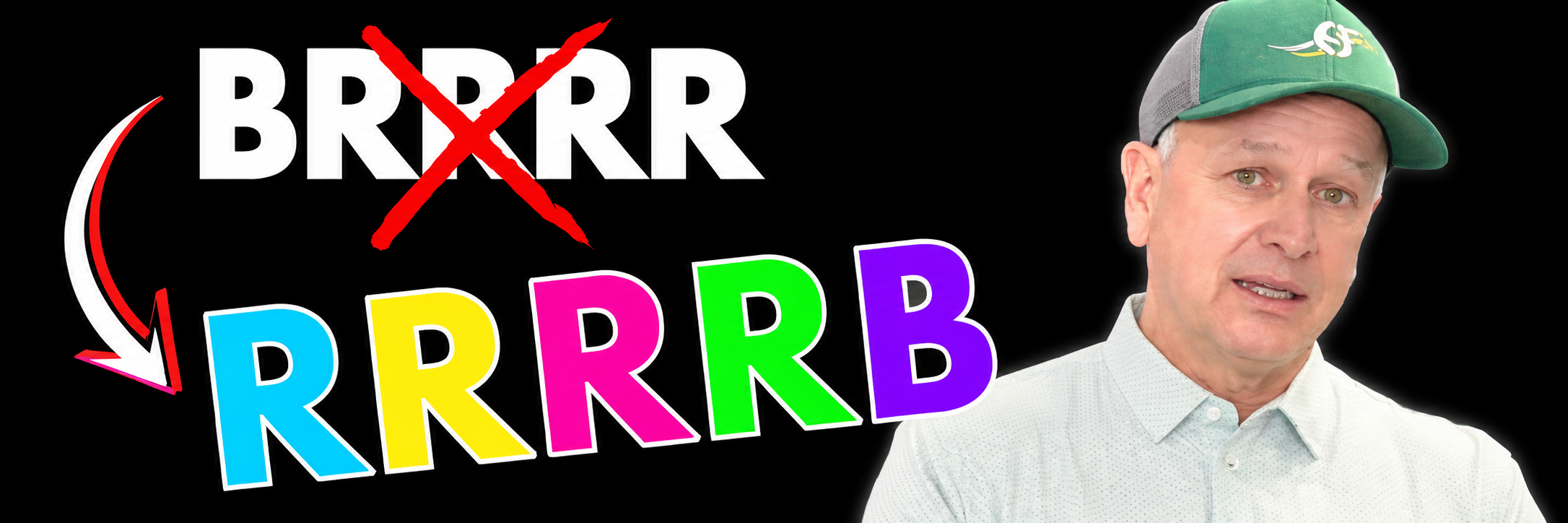
The smarter strategy flips BRRRR around. Instead of starting with the buy, smart investors start with the refinance and rental numbers first. Then, they work backward from there. This is often called the “RRRRB” strategy.

In simple terms:
You go backward first so you can move forward with confidence.

Step 1: Know Your Rental Numbers First

Before you buy anything, study the rental numbers in the area.

Look at:

  • Market rents
  • Taxes
  • Insurance
  • HOA fees
  • Maintenance costs
  • Vacancy estimates

Then, compare those numbers to the future mortgage payment.

For example:

A property may rent for $2,200 per month.
However, after taxes, insurance, and the loan payment, you may only have $100 left each month. That is probably not enough cash flow for most investors. On the other hand, another property nearby may create $500 per month in cash flow simply because the numbers work better. That is why smart investors test multiple deals first. In fact, many successful investors look at 10 to 20 properties before buying one.

Step 2: Test the Refinance Before You Buy

This is one of the biggest lessons in The Smarter Version of the BRRRR Method. Before you purchase the property, make sure you can refinance it later. This step matters because many investors assume the refinance will work automatically. Unfortunately, that is not always true.

Instead, ask questions like:

  • Will the property qualify for a DSCR loan?
  • Will the rents support the payment?
  • Will the appraisal support the value?
  • Will your credit score qualify?
  • Will the lender refinance the property type?

For example:

An investor buys a property for $150,000 and puts $40,000 into repairs. After the rehab, they expect the property to appraise for $260,000.

Sounds great, right? However, if the rents only support a smaller refinance loan, the investor may end up leaving a lot of cash stuck in the deal. That slows down future investing. Because of that, smart investors test refinance options before they ever close on the property.

Step 3: Build Your Rockstar Team

Next, smart investors build a strong team. In the reverse BRRRR method, the “R” can also stand for “Rockstar.”

These are the people who help you find great deals:

  • Realtors
  • Wholesalers
  • Contractors
  • Property managers
  • Private lenders
  • Hard money lenders

The more quality people you know, the more opportunities you will see. Additionally, when you already know your numbers, you can review deals very quickly. Instead of guessing, you simply compare the property to your target numbers. That makes decision-making much easier.

Step 4: Plan Your Renovation Funding Ahead of Time

Many investors underestimate rehab costs. Even worse, some investors run out of money halfway through the project.

That creates delays. And delays create profit erosion. Because of that, smart investors plan renovation funding before they buy.

This may include:

  • Hard money loans
  • HELOCs
  • Business lines of credit
  • Business credit cards
  • Private money
  • Cash reserves

The goal is simple: Keep the project moving.

Fast projects usually create:

  • Lower holding costs
  • Less stress
  • Faster sales
  • Better cash flow
  • More profits

Step 5: Buy With Confidence

Now you are finally ready to buy. Notice something important? Buying is the LAST step in the planning process.

At this point, you already know:

  • The rent numbers work
  • The refinance should work
  • The area fits your goals
  • The renovation budget makes sense
  • The funding plan is ready

As a result, you can move forward with much more confidence. That is the power of The Smarter Version of the BRRRR Method.

Why This Strategy Helps New Investors

Many new investors fail because they buy first and think later. However, smart investors think first and buy second. That small shift can make a huge difference. Instead of hoping the deal works, you already know the target numbers before you make an offer.

This helps investors:

  • Avoid bad deals
  • Reduce surprises
  • Build repeatable systems
  • Grow faster
  • Keep more cash available
  • Sleep better at night

Most importantly, it helps create rental properties that actually produce income and long-term wealth.

The Goal Is Repeatable Success

The best real estate strategy is not just finding one good deal. The real goal is building a system you can repeat again and again. That is why reverse planning matters so much.

When you understand:

  • Rents
  • Refinance options
  • Funding
  • Rehab budgets
  • Cash flow
  • Market growth

You can make smarter decisions. And over time, those smarter decisions can build a very strong portfolio.

Final Thoughts on The Smarter Version of the BRRRR Method

The BRRRR method still works. However, investors today need to be more careful with their numbers. Interest rates, insurance costs, taxes, and rehab costs all matter more than ever. Because of that, many successful investors now start backward before they move forward. They test the refinance first. Then they buy.

Want to find out more! Watch my most recent video about: The Smarter Version of the BRRRR Method

by