Never Run Out of Money!
Categories: Blog Posts, Resources, Tips

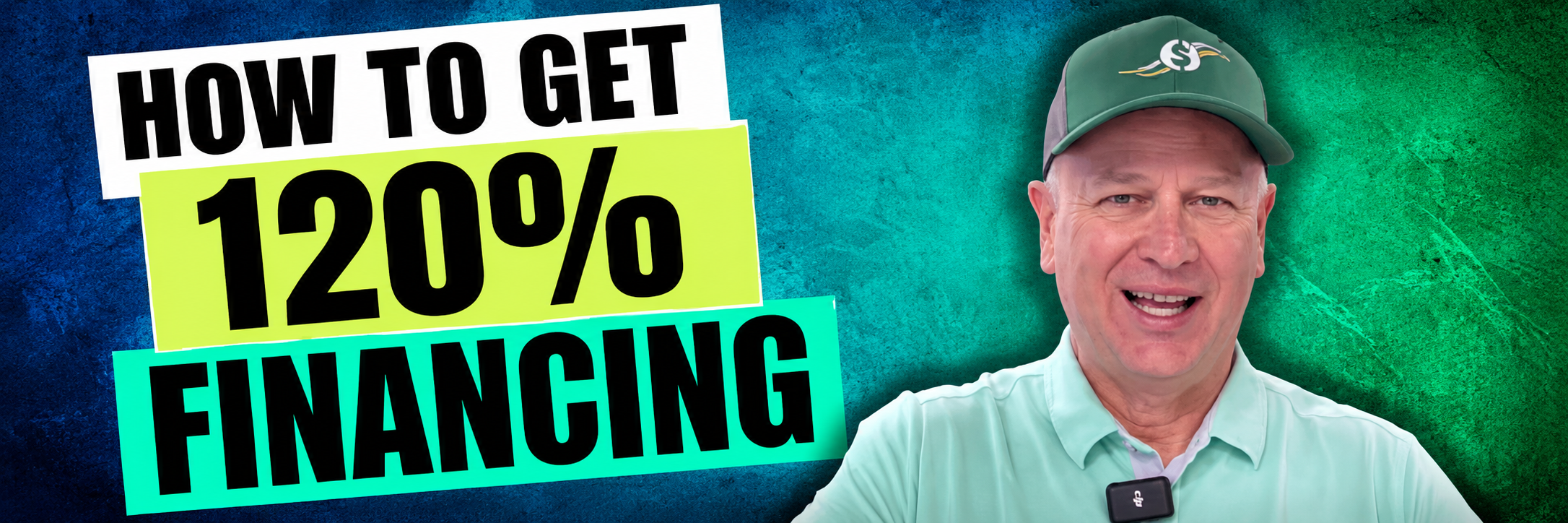
Real estate investing is not just about finding good deals. Instead, it is about making sure you have the money to finish those deals quickly and profitably. Unfortunately, many investors learn this lesson the hard way. They buy a property, start the rehab, and then suddenly run short on cash. As a result, projects slow down, contractors leave, carrying costs grow, and profits disappear. That is why learning How to Build a Real Estate Funding Stack And Never Run Out of Money! can completely change your investing business. A strong funding stack helps you move faster, solve problems quicker, and protect your profits from expensive delays. More importantly, it gives you confidence before you even buy the property.
In this guide, we will break down how smart investors build multiple layers of funding using tools like hard money loans, HELOCs, business credit cards, private money, and cash reserves. Along the way, you will also learn why speed matters so much in real estate investing and how proper funding can help you create a smoother, more profitable business.
What Is a Real Estate Funding Stack?
Most new real estate investors think funding means getting a loan. However, that is only part of the picture. The truth is simple. A lender may help you buy the property and fund part of the rehab. Still, the rest of the project is on you.
That is where many investors get stuck. They run out of money halfway through the deal. Then, projects slow down. Contractors leave. Materials get delayed. Interest payments pile up. Finally, profits disappear.
On the other hand, investors with a strong funding stack move faster, stay calmer, and make more money. A real estate funding stack is simply a group of money sources working together. Instead of relying on one loan, smart investors build layers of funding.
For example, your funding stack may include cash, HELOCs, business credit cards, private money, lines of credit, hard money loans, and funding partners. Together, these tools help you cover everything the lender does not. As a result, you can keep projects moving without stress.
Why Most Investors Run Out of Money
Most investors only focus on two numbers: the purchase price and rehab costs. Unfortunately, real projects cost much more than that. Investors also need money for closing costs, insurance, appraisals, interest payments, utility bills, material deposits, contractor payments, surprise repairs, escrow gaps, and holding costs.
Because of this, many investors get trapped halfway through the project. In fact, many flips that should take 4 to 6 months end up taking a year or longer. Then, every extra month eats away profits.
Many investors find this out after their first project. At first, the deal may look profitable on paper. However, delays change everything. One delay leads to another. Then, profits slowly disappear while expenses continue to grow.
Every Delay Costs You Money
Here is the problem many investors do not see at first. Hard money loans usually have interest-only payments. Therefore, every month you hold the property costs money.
Let’s say your monthly carrying costs are around $2,800 per month between loan payments, taxes, insurance, and utilities. Now imagine your project gets delayed by three months because you did not have enough money for windows, flooring, or HVAC work. Suddenly, that delay costs you more than $8,000.
Meanwhile, the investor with proper funding finishes early and moves on to the next deal. That is why speed matters so much in real estate investing. The faster you move from close to close, the faster you protect your profits.
The Goal Is Funding Certainty
Great investors do not wait until they need money. Instead, they build funding certainty before they buy the property. They know where every dollar will come from. They also know how they will handle surprise costs and keep projects moving.
As a result, they protect their profits and reduce stress during the project. We always say, “The money is in the buy, but you protect your profits with the funding.”
Funding certainty gives investors confidence. Instead of scrambling for money during the rehab, they stay focused on finishing the project quickly and correctly.
Step 1: Start With Your Main Project Loan
First, most investors begin with a hard money loan, bridge loan, or private lender. Typically, lenders may offer up to 75% of ARV, up to 90% of the purchase, and up to 100% of the rehab. However, that does not mean the lender covers everything.
For example, let’s say a property has a $300,000 ARV. The purchase price is $160,000 and the rehab budget is $60,000. A lender may fund 90% of the purchase and all of the rehab. Even then, the investor still needs to bring money into the deal.
That gap catches many new investors off guard. They think “100% financing” means no money needed. In reality, investors still need funds for closing costs, escrow gaps, interest payments, and surprises.
Step 2: Add Your “Money Buckets”
Next, you need backup money buckets. These buckets protect your project when real-life problems show up. Because trust me, they always show up.
Cash reserves help with earnest money, small repairs, utilities, and quick contractor payments. Even a small reserve can keep projects moving smoother.
HELOCs can become one of the best tools for investors because they provide fast access to liquid money. Many investors use HELOCs for down payments, escrow gaps, material purchases, carry costs, and surprise repairs.
Business credit cards can also help bridge short-term expenses. Investors often use them for flooring, paint, appliances, tools, and material deposits. Even better, many business cards offer travel points, cash back, or rewards while giving investors a short float before interest begins.
Private money can help investors scale even faster. In many cases, private lenders help cover down payments, closing costs, carry costs, or emergency overruns. More importantly, private money may help investors avoid expensive delays.
Step 3: Plan For Escrow Gaps
This is where many new investors struggle. Most lenders reimburse rehab money after work gets completed. That means investors may need to pay contractors and buy materials before the lender sends money back.
For example, you may need to buy windows today, install them next week, and wait for reimbursement later. So, if you cannot float those costs, the project slows down immediately.
Because of this, many experienced investors try to keep 30% to 40% of the rehab budget available. That creates speed. And speed creates profits.
Step 4: Build a Contingency Fund
Every project has surprises. Always. Maybe you find bad wiring, roof damage, old plumbing, HVAC problems, or hidden water damage once walls get opened up.
Therefore, smart investors build in a contingency fund before the project starts. A common target is around 10% of the rehab budget. This money protects investors from panic decisions and project delays.
Without a contingency fund, even a small surprise can stop progress for weeks. On the other hand, investors with available funds can solve problems quickly and keep moving.
Step 5: Use the Lowest-Cost Money First
Not all money costs the same. Therefore, smart investors stack funding in the correct order. Usually, investors start with cash first, then HELOCs, then business lines or business credit cards, followed by private money or higher-cost funding if needed.
This lowers total borrowing costs. More importantly, it protects profits over the life of the project. Investors who understand the cost of money usually keep more of their profits at the end of the deal.
A Simple Funding Stack Example
Here is what a simple beginner funding stack may look like. Imagine an investor has $5,000 in cash savings, $15,000 available on business credit cards, and a $75,000 HELOC. Combined with a hard money loan, that investor now has flexibility and speed.
As a result, contractors get paid faster, materials get ordered faster, and delays shrink. At the same time, stress drops while profits improve. That is the power of a strong funding stack.
Why Proper Funding Creates Better Deals
Many investors think profits only come from buying cheap properties. That is only partly true. The real money also comes from faster project completion, lower holding costs, better contractor relationships, bulk material discounts, and avoiding expensive delays.
Therefore, better funding often creates bigger profits than finding a slightly better deal. Investors who move quickly usually save money at every stage of the project.
The Best Investors Think Ahead
The best investors do not scramble for money halfway through a project. Instead, they prepare before they buy. They build systems. They create funding certainty. And they protect their profits with available money.
That is how real estate investing becomes less stressful and more profitable. Investors who prepare ahead of time usually sleep better and scale faster.
Final Thoughts: Build Your Funding Stack Before You Need It
If you want to grow in real estate investing, do not wait until a project goes bad to figure out your funding. Instead, build your money buckets early, create backup funding, keep liquid funds available, and plan for delays before they happen.
Remember, the goal is not just getting the deal. The real goal is finishing the deal fast, smoothly, and profitably. Because investors who control funding usually control the profits too.
Learn How to Build a Real Estate Funding Stack And Never Run Out of Money!Watch my most recent video today to find out more!