Tag Archive for: Mike Bonn

Why One Delay Can Destroy Your Profits

Fix and Flip Profit Erosion: Are You Losing Money with Your Deals? That is a question every real estate investor needs to ask before buying their next property. At first, a deal may look great on paper. The numbers work. The profit looks exciting. Furthermore, the market may feel strong. However, one delay can slowly eat away at those profits. In fact, many investors do not lose money because they bought a bad deal. Instead, they lose money because the project took too long. That is called profit erosion. Every extra month costs money. Every delay creates stress. Worse yet, delays often create even more delays.

For example:

  • Contractors leave for other jobs
  • Materials arrive late
  • Escrow draws slow down
  • Interest keeps growing
  • Taxes and insurance keep adding up
  • Buyers disappear during slower seasons

As a result, profits shrink fast. Therefore, smart investors do not just focus on finding deals. They focus on speed, funding, and keeping projects moving.

What Is Fix and Flip Profit Erosion?

Profit erosion happens when delays slowly destroy your expected profits. At first, the delay may seem small. Maybe the HVAC system was late. Maybe the electrical panel did not arrive on time. Or perhaps the contractor needed a deposit you could not cover yet. However, one delay quickly turns into two delays.

Then:

  • Contractors reschedule
  • Work stops
  • The property sits longer
  • Carry costs grow
  • Buyers cool off

Meanwhile, the market keeps moving. Consequently, what looked like a $60,000 profit may slowly become a $37,000 profit. Then it may become a $14,000 profit. Sadly, some investors even lose money completely. This happens every day in real estate investing.

Why Delays Cost More Than Most Investors Think

Many new investors only focus on:

  • Purchase price
  • Rehab budget
  • Sale price

However, they forget about the hidden monthly costs.

Every extra month creates:

  • Interest payments
  • Taxes
  • Insurance costs
  • Utilities
  • Lawn care
  • HOA payments
  • Marketing price reductions

Additionally, properties that sit too long often need price drops. For example, a property listed in spring may sell quickly. However, if delays push the sale into winter, buyers slow down. Then investors often lower the price just to get rid of the property. As a result, profits disappear even faster.

A Real Example of Profit Erosion

Let’s look at a simple example.

Example Deal

  • ARV: $400,000
  • Expected Profit: $60,000
  • Monthly Carry Costs: $3,650
  • Monthly Price Reduction Pressure: 1%

At first glance, the deal looks strong. However, what happens if the project gets delayed?

A 3-Month Delay

Now imagine the project goes three months longer than expected.

Maybe:

  • Materials came late
  • Contractors left
  • Escrow draws slowed down
  • Funding ran short

Suddenly:

  • Interest keeps growing
  • Carry costs keep stacking
  • Price reductions start happening

As a result, profits can drop by almost $23,000.

That means:

  • Expected Profit = $60,000
  • New Profit = About $37,000

That is nearly a 38% drop in profits.

One delay changed everything.

A 6-Month Delay Gets Dangerous

Now let’s push the delay even further. Instead of finishing in four months, the project takes ten months. This happens more often than people want to admit. Unfortunately, the numbers get ugly fast.

At six extra months:

  • Carry costs explode
  • Interest piles up
  • Market timing gets worse
  • Buyers become harder to find

As a result, profits may shrink by over 75%. That same deal may now only make around $14,000.

Furthermore, investors often end up:

  • Maxing out credit cards
  • Draining HELOCs
  • Borrowing expensive money
  • Losing motivation
  • Walking away stressed out

Therefore, speed matters more than most people realize.

Why Proper Funding Protects Profits

Many investors think funding only means getting the main loan. However, that is only part of the puzzle.

Smart investors prepare for:

  • Down payments
  • Closing costs
  • Draw delays
  • Material deposits
  • Contractor payments
  • Monthly carry costs
  • Surprise repairs

Therefore, experienced investors often keep an extra 20% to 30% available beyond what the lender funds. Importantly, this does not always mean cash sitting in a bank account.

Instead, it may include:

  • HELOCs
  • Business lines of credit
  • Business credit cards
  • Private money
  • Liquid reserves

The goal is simple: Keep the project moving. Because when money pauses, projects pause. And when projects pause, profits pause too.

Why Speed Creates Bigger Profits

Fast projects usually make more money.

That is because speed helps investors:

  • Sell during stronger seasons
  • Keep contractors happy
  • Buy materials early
  • Avoid long carry costs
  • Move into the next deal faster

Additionally, fast investors often receive:

  • Contractor discounts
  • Bulk material savings
  • Credit card rewards
  • Better lender pricing
  • More deal opportunities

Meanwhile, slow projects create stress and shrinking margins. Therefore, speed is not just convenience. Speed is profit.

The Hidden Problem With “Pay As You Go” Investing

Many beginners try to “bootstrap” their projects. They pay contractors slowly, wait for escrow draws, order materials only when cash becomes available. At first, this feels safer.

However, it often creates:

  • Work stoppages
  • Contractor frustration
  • Longer timelines
  • Bigger losses

For example, if one contractor stops working, the next contractor cannot start. Then the entire project slows down. That creates a domino effect. Consequently, one small funding issue can create months of delays.

Build Your 100% Financing System

The best investors build what many call a “100% financing system.” This means creating access to funds before buying the deal.

That system may include:

  • Hard money loans
  • HELOCs
  • Business credit cards
  • Private lenders
  • Emergency reserves
  • Lines of credit

Then, when issues pop up, the project keeps moving. Remember: The profits may start in the buy. However, profits get protected by proper funding.

How to Stop Profit Erosion on Your Next Deal

Here are simple ways to protect your profits:

1. Build Available Funds First

Try to have access to 20% to 30% beyond your lender funding.

2. Pay Contractors Fast

Good contractors stay loyal to investors who pay quickly.

3. Order Materials Early

Waiting on supplies can destroy timelines.

4. Avoid Too Many Projects

Too many deals at once often spreads funding too thin.

5. Watch Your Monthly Costs

Every month matters in fix-and-flip investing.

6. Focus on Speed

Fast projects usually create larger profits with less stress.

Final Thoughts on Fix and Flip Profit Erosion

Fix and Flip Profit Erosion: Are You Losing Money with Your Deals? The truth is simple. Real estate investing is not only about finding good deals.

It is also about:

  • speed
  • funding
  • momentum
  • preparation

The investors who stay profitable usually keep projects moving. They prepare for delays before delays happen. Furthermore, they build funding systems that protect their profits. Most importantly, they understand this: Cash flow problems kill more deals than bad properties. Therefore, if you want bigger profits and less stress, focus on proper funding before your next project starts. That one step alone can completely change your investing future.

Watch my most recent video to find out more about: Fix and Flip Profit Erosion: Are You Losing Money with Your Deals?

by

Most Investors Focus on the Wrong Number

When most people first look at a flip, they focus on profit. They look at the purchase price, the estimated repair costs, and the future sales price. Then they quickly assume the difference is what they will make. However, fix and flips are rarely that simple. There are many costs that show up between purchase and sale, and those costs can eat through profits fast. That is why understanding Fix and Flips: What They Really Cost (And What You Actually Make) is so important for new and experienced investors alike.

Many investors jump into a project thinking the lender will cover almost everything. Then, a few months later, they realize they are short on cash, behind on payments, and struggling to keep the project moving. The good news is this does not have to happen. Once you understand the numbers, you can prepare ahead of time and avoid many of the problems that hurt investors.

The Biggest Mistake Investors Make

One of the biggest mistakes investors make is trusting someone else’s numbers without running their own test first. For example, an investor recently sold a property expecting a large profit. Instead, after everything was paid, they only made around $1,000. The problem was not the idea of flipping houses. The real problem was they never fully tested the numbers before buying the property.

This happens more often than people think. Sometimes repair costs come in higher than expected. Other times the project takes longer than planned. In many cases, investors simply forget about monthly payments, closing costs, or surprise repairs. As a result, the expected profit slowly disappears. That is why smart investors run their numbers before they buy, not after.

A Real Example of a Flip

Let’s look at a simple example. In this project, the investor purchases a property for $250,000 and plans to spend $50,000 on repairs. After studying the market and running comparable sales, they believe the property will sell for about $400,000 after repairs are complete.

At first glance, this deal looks fantastic. Many investors immediately think they will make around $100,000 because the total project cost appears to be $300,000 while the future sales price is expected to be $400,000. However, that number does not include many of the real-world costs involved in a fix and flip project.

Closing Costs Catch Many Investors Off Guard

One of the first surprise expenses for many investors is closing costs. When you buy a property using financing, there are lender fees, title charges, appraisal fees, and other expenses that must be paid upfront. In this example, the estimated closing costs are around 3% of the purchase price.

That means the investor needs extra money available before the project even begins. Many people underestimate these costs because they focus only on the purchase price and rehab budget. However, closing costs are real expenses that immediately affect cash flow.

Every Flip Has Surprises

Another major cost investors forget about is the surprise budget. Almost every project has changes, upgrades, or hidden problems that show up during construction. Maybe the bathroom layout needs to change. Maybe the landscaping becomes more expensive than expected. Sometimes investors decide to upgrade finishes after seeing the property come together.

These surprises are part of the business. Therefore, experienced investors plan for them before they start the project. Instead of hoping nothing goes wrong, they build reserves into their budget so they can handle problems quickly without slowing the project down.

Escrow Pre-Funds Create Cash Flow Problems

Many new investors also misunderstand how rehab funds work. In most cases, the lender reimburses repair money after the work is completed. That means investors often need to pay for materials and labor before the lender sends money back.

For example, cabinets may need to be ordered upfront. Windows may require deposits. Contractors may ask for money before starting work. As a result, investors need extra available funds just to keep the project moving smoothly. In this example, the investor needed about $7,500 set aside for escrow pre-funds alone.

This is one reason projects slow down. When investors run out of available funds, contractors stop working, materials get delayed, and profits start shrinking.

What the Lender Really Covers

In this example, the lender funded 90% of the purchase price and 100% of the rehab budget. At first, that sounds like almost everything is covered. However, the lender still did not pay for many important costs.

The investor still needed money for the down payment, closing costs, monthly payments, reserves, and escrow pre-funds. This is where many investors get surprised. They think the lender funding means they barely need any cash. In reality, successful flips usually require much more available money than people expect.

Carry Costs Add Up Fast

Every month a project stays open costs money. Therefore, speed matters greatly in the fix and flip business. In this example, the project used a 10.25% interest rate and was expected to last five months. The monthly payment came out to around $2,300 per month, which added up to almost $12,000 during the life of the project.

Now imagine the project gets delayed by several more months. Suddenly, extra payments continue piling up while profits continue shrinking. That is why experienced investors focus heavily on keeping projects moving quickly. Faster projects usually mean lower costs, less stress, and stronger profits.

The Real Amount of Money Needed

This example shows why investors need to understand the difference between lender funding and available funds. The lender funded around $275,000 toward the project. However, the investor still needed nearly $56,000 in additional available funds to make the deal work properly.

That money covered the down payment, closing costs, monthly payments, reserves, surprise expenses, and escrow pre-funds. Because of that, smart investors prepare ahead of time by setting up cash reserves, business credit cards, lines of credit, HELOCs, or private money partnerships.

The goal is simple. You want enough available funding to keep the project moving without delays.

Speed Protects Profits

One of the biggest lessons in flipping houses is that speed protects profits. When contractors get paid on time, projects move faster. When materials arrive quickly, work continues without delays. However, when investors constantly chase money, projects slow down and costs grow.

Every extra month creates more payments, more stress, and smaller profits. That is why experienced investors spend so much time preparing funding before they close on a deal. The smoother the money flow, the smoother the project usually runs.

What Investors Really Make on a Flip

Many people see a $400,000 future sales price and assume the investor keeps all the extra money above costs. However, profits get divided quickly. In this example, part of the remaining money goes toward real estate commissions, closing costs, interest payments, and other project expenses.

The investor may still make a strong profit, but the final number is usually much lower than beginners first imagine. That is why running the numbers before buying is so important. Understanding the true costs helps investors avoid bad deals and focus on projects that actually create solid returns.

Final Thoughts on Fix and Flips

Fix and flips can be a fantastic way to build wealth. However, the investors who succeed long term usually understand their numbers very well. They know what the lender covers, what they must cover themselves, and how much available cash they need before starting the project.

Most importantly, they understand that speed matters. Projects that move quickly usually create better profits and less stress. Therefore, before buying your next deal, take the time to run the numbers carefully. Understand your costs, build reserves, and make sure your funding is fully prepared before closing.

When you do that, you give yourself a much better chance to enjoy the process, protect your profits, and move confidently into your next project.

Watch our most recent video to find out more about: Fix and Flips: What They Really Cost (And What You Actually Make)

by

Fix and Flips: What They Really Cost (And What You Actually Make)

Most new real estate investors believe 100% financing means one lender covers the whole project. However, that is usually not true. In reality, “The 100% Financing System Every Fix & Flipper Needs” is not one loan. Instead, it is a full system built to cover every part of the project from purchase to sale.

In most fix-and-flip deals, the lender may fund 80% to 90% of the purchase price and 100% of the rehab costs. At first, that sounds like everything is covered. Still, there are many other costs investors forget to plan for.

For example, investors still need money for closing costs, insurance, monthly payments, utilities, contractor deposits, and surprise repairs. In addition, many projects run into escrow gaps where work must get completed before the lender releases funds. Because of that, investors often need extra available money just to keep the project moving.

That is why true 100% financing is really about building a funding stack. The best investors understand this early. As a result, they finish projects faster, avoid delays, and protect more profit along the way.

What True 100% Financing Really Means

True 100% financing means having access to every dollar needed from the day you close until the day you sell or refinance the property. In other words, the project never slows down because of money problems.

Let’s look at a simple example. Imagine you buy a property for $150,000 and plan a $50,000 rehab. Most people think they only need $200,000 to complete the project. However, that number misses many real-world costs.

You still need to plan for:

  • Closing costs
  • Carry costs
  • Insurance
  • Utility bills
  • Escrow gaps
  • Contractor payments
  • Repair overruns
  • Appliances
  • Landscaping
  • Holding costs

Because of that, experienced investors often plan for about 120% of the purchase and rehab budget. Therefore, a $200,000 project may really need about $240,000 available to keep everything running smoothly.

That extra money protects the deal. More importantly, it protects your timeline.

Why Speed Matters So Much in Fix and Flips

In real estate investing, speed creates profit. On the other hand, delays destroy profit very quickly.

Every extra month costs money. Loan payments continue. Insurance continues. Utilities continue. Taxes continue. Meanwhile, contractors may leave for other jobs if they are not paid on time.

For example, one investor may have all the funds ready before the project begins. Their contractor stays busy, materials arrive on time, and the home gets listed in six weeks. Another investor may spend months trying to piece together funding during the project. As a result, contractors stop showing up, projects slow down, and profits shrink month after month.

Many investors do not realize how much delays cost until it is too late. A project delayed by four to six months can easily lose tens of thousands of dollars in payments, holding costs, and missed market opportunities. That is why proper funding is not just about buying properties. It is about protecting profits by moving fast.

The Biggest Mistake New Flippers Make

Many new investors focus only on finding a cheap property. While buying right matters, funding matters just as much. A great deal with poor funding can still become a bad investment.

For example, some investors buy a property first and then try to figure out the rest later. They use personal credit cards, borrow small amounts from friends, or wait for escrow draws before paying contractors. Unfortunately, this usually creates stress and delays.

Instead, smart investors build the funding system first. Then they buy the property knowing they can finish the project quickly and safely. That confidence changes everything. It helps investors make better decisions, move faster, and avoid panic during the rehab process.

The 100% Financing System Explained

The best investors use multiple “money buckets” to create true 100% financing. Each money bucket serves a different purpose. Together, they help keep projects moving from start to finish.

The first bucket is usually the main fix-and-flip loan. This loan often covers most of the purchase price along with the rehab costs. However, the loan rarely covers everything else needed during the project.

That is where the additional funding buckets come in.

Many investors use HELOCs, business lines of credit, or personal lines of credit to fill the gaps. These tools help cover closing costs, contractor deposits, escrow gaps, and unexpected repairs. The nice part is you only pay interest when you use the money. Therefore, these lines can sit available in the background until needed.

Business credit cards can also help when used correctly. Investors often use them for materials, small project costs, and short-term expenses. In addition, some business cards offer rewards, cash back, or travel points. More importantly, many business cards do not report balances to personal credit. As a result, investors can protect their credit scores while still keeping projects moving.

Why Private Money Can Change Everything

Another powerful funding bucket is real private money. This simply means borrowing from real people instead of traditional banks.

For example, some people have savings accounts or retirement funds earning very little interest. Meanwhile, investors may need short-term project funding. Therefore, private money can create a win for both sides when the deal is structured correctly.

Many successful investors build relationships with people who want better returns without actively managing rental properties or flips themselves. These relationships can become one of the strongest parts of a long-term investing business.

Of course, private money still requires responsibility. Investors must run their numbers carefully and make sure the deal works before borrowing funds. Good funding supports a good deal. However, no funding system can save a bad project.

Real Estate Investing Is a Business

One of the biggest mindset shifts for new investors is understanding that real estate investing is a real business. Businesses need systems, reserves, planning, and available capital.

That is why experienced investors prepare before they buy their next deal. They build their lines of credit early, improve their business credit, and create relationships with lenders and private money partners. Most importantly, they make sure they have enough available funds to handle surprises without slowing the project down.

The goal is not endless debt. Instead, the goal is smart funding that helps projects move quickly and profitably. Then, once the property sells or refinances, the investor pays off the lines, cards, and short-term funding used during the project.

That is how successful investors continue growing without getting trapped by debt.

The Real Goal of the 100% Financing System

The real goal of the 100% financing system is simple. Investors want to complete projects faster, reduce stress, and protect profits.

When funding is ready ahead of time, projects move smoother. Contractors stay busy. Materials arrive faster. Escrow delays become smaller problems instead of full project shutdowns.

Most importantly, investors stop operating from fear. Instead, they gain clarity and confidence because they know their funding system can support the deal from beginning to end.

In fix-and-flip investing, time truly is money. Therefore, the investors who prepare their funding first often create the biggest long-term success.

Watch my most recent video to find out more about: The 100% Financing System Every Fix & Flipper Needs

by

DSCR Loans Explained

Categories: , ,

What Is a DSCR Loan?

Real estate investors are always looking for easier ways to buy rental properties. That is exactly why many investors are asking about DSCR loans right now. So, let’s break it down simply. DSCR Loans Explained: 5 Essential Requirements to Get Approved starts with understanding what a DSCR loan actually is. DSCR stands for Debt Service Coverage Ratio. In simple terms, the lender wants to know one thing:

Does the property income cover the property expenses?

Unlike many traditional loans, DSCR loans focus on the property instead of your personal income. Therefore, many investors love them because they do not need to show years of tax returns, business income, or long job histories.

Instead, the lender mainly looks at:

  • Rental income
  • Property expenses
  • Credit score
  • Loan-to-value
  • Reserves

As a result, DSCR loans have become one of the most popular tools for rental property investors.

Why Real Estate Investors Like DSCR Loans

Many investors get frustrated with traditional loans. For example, banks may ask for:

  • Tax returns
  • W-2 income
  • Business history
  • Debt-to-income ratios
  • Employment history

However, DSCR loans work differently. Instead, the property itself does the heavy lifting. If the rental income covers the required expenses, the property may qualify.

Because of that, DSCR loans can work well for:

  • New investors
  • Self-employed borrowers
  • Retirees
  • Investors with large write-offs
  • Investors buying properties in LLCs

In addition, these loans can often be used for:

  • Purchases
  • Cash-out refinances
  • Rate-and-term refinances

Requirement #1: The Property Must Have Strong Rental Income

This is the biggest key to DSCR approval. The lender wants to see that the rent covers the main property expenses. Therefore, the property must produce enough income to support itself.

The 5 Expenses Lenders Look At

DSCR loans mainly focus on these five expenses:

  1. Principal and interest payment
  2. Property taxes
  3. Insurance
  4. HOA dues
  5. Flood insurance if required

If the rent is equal to or greater than those expenses, the property may qualify.

Example

Let’s say:

  • Rent = $2,400 per month
  • Mortgage payment = $1,700
  • Taxes = $250
  • Insurance = $100
  • HOA = $100

Total expenses = $2,150

Since the rent is higher than the expenses, the property may work for a DSCR loan.

What DSCR Loans Usually Do NOT Count

This surprises many investors.

DSCR underwriting normally does not include:

  • Utilities
  • Maintenance
  • Vacancy costs
  • Property management fees
  • Trash service

That is one reason why many investors like DSCR loans. The calculations are usually simpler than traditional investment property loans. However, smart investors should still budget for those costs anyway.

Requirement #2: Good Credit Matters

Next, let’s talk about credit scores.

Although DSCR loans are flexible, credit still matters a lot. Better credit usually means:

  • Lower interest rates
  • Better loan terms
  • Higher loan-to-value options
  • Easier approvals

What Credit Score Is Needed?

Typically:

  • Around 660 may open the door
  • Mid-to-high 700s usually get the best pricing

That difference matters.

For example:

  • A borrower with a 660 score may receive a much higher rate
  • Meanwhile, a borrower with a 760 score may get a lower rate and higher leverage

Therefore, improving your credit can directly improve your cash flow.

Another Helpful DSCR Feature

Sometimes investors buy properties with partners or spouses. In many cases, lenders may allow the stronger borrower’s credit score to help the deal. That can make approvals easier for investment groups and partnerships.

Requirement #3: Understand Loan-to-Value (LTV)

The next key is understanding loan-to-value, also called LTV. LTV simply means: How much the lender is willing to lend compared to the property value.

Typical DSCR Loan Limits

Most standard DSCR loans allow:

  • Up to 80% LTV on purchases
  • Up to 75% LTV on refinances

Simple Example

Let’s say:

  • Property value = $300,000
  • Maximum LTV = 75%

The lender would multiply:
$300,000 × 75%

That equals:
$225,000 maximum loan amount.

Therefore, the investor would need to bring in the remaining funds plus closing costs.

Requirement #4: The Property Type Must Fit DSCR Rules

Not every property works for a DSCR loan.

Most standard DSCR lenders focus on:

  • Single-family homes
  • Duplexes
  • Triplexes
  • Fourplexes

In addition, the property must be:

  • Rental ready
  • Non-owner occupied

That means you cannot live in one of the units.

Why Single-Family Homes Often Get Better Pricing

Interestingly, many lenders offer their best pricing on single-family rental properties.

Meanwhile, some lenders may lower the LTV on:

  • Triplexes
  • Fourplexes

Therefore, investors should always check property guidelines before making offers.

Requirement #5: You Need Reserves

Finally, lenders want to see reserves.

Reserves are funds you still have available after closing. These funds may include:

  • Savings accounts
  • Retirement accounts
  • Investment accounts
  • Mutual funds

How Much Is Usually Needed?

Most lenders want:

  • 3 to 6 months of reserves

That means enough money to cover several months of payments if something unexpected happens.

For example:
If the total monthly payment is $2,000:

  • 3 months reserves = $6,000
  • 6 months reserves = $12,000

Because rental properties can have vacancies and repairs, lenders want to see a safety cushion.

What DSCR Loans Usually Do NOT Care About

This is one reason investors get excited about DSCR loans.

Unlike many traditional loans, DSCR loans often do not focus heavily on:

  • Personal income
  • Business income
  • Time in business
  • W-2 income
  • Tax return write-offs

Instead, the property income becomes the main focus.

Therefore, many beginner investors can qualify sooner than they expected.

Why DSCR Loans Are Great for Beginners

Many investors think they need:

  • Years of experience
  • Large companies
  • Huge incomes
  • Multiple rentals

However, that is not always true.

Many beginner investors qualify because they:

  • Have decent credit
  • Buy a rental-ready property
  • Find a property with good rents
  • Keep reserves available

As a result, DSCR loans can help newer investors start building rental property cash flow faster.

Before You Apply for a DSCR Loan

Before you submit an offer or talk to a lender, run your numbers first.

Make sure you verify:

  • Real market rents
  • Current taxes
  • Insurance costs
  • HOA dues
  • Flood insurance if needed

In addition, understand your:

  • Credit score
  • LTV needs
  • Reserve requirements

The investors who prepare before they apply usually have a smoother process.

Final Thoughts on DSCR Loans

DSCR loans continue to grow because they solve a major problem for real estate investors. Instead of making the borrower jump through endless income paperwork, these loans focus on the property itself.

That makes them:

  • Easier to understand
  • Faster to review
  • More flexible for investors

Most importantly, they help investors scale rental portfolios without relying heavily on traditional income documents. So, if you are looking at rental properties, now is a great time to learn how DSCR loans work and test your deals before you buy.

Watch our most recent video to find our more about: DSCR Loans Explained: 5 Essential Requirements to Get Approved

by

The Smarter Version of the BRRRR Method

Most real estate investors have heard of BRRRR. However, many people jump into deals without knowing if the numbers will actually work. As a result, they buy properties, fix them up, rent them out, and then discover they cannot refinance the deal the way they planned.

That is why more investors are moving toward The Smarter Version of the BRRRR Method.

Instead of starting with the buy, smart investors start with the end goal first. They run the numbers backward before they ever purchase the property. In other words, they flip the BRRRR method around and make sure the deal works before they jump in.

This strategy helps investors avoid bad deals, reduce stress, protect cash flow, and build rental properties they actually want to keep.

The goal is simple:
Know your numbers before you buy.

The idea comes directly from the reverse BRRRR strategy discussed in your transcript.

What Is the Traditional BRRRR Method?

The BRRRR method stands for:

  • Buy
  • Rehab
  • Rent
  • Refinance
  • Repeat

For years, investors have used this strategy to build rental portfolios.

First, they buy a fixer-upper. Next, they repair the property. Then, they rent it out. After that, they refinance into a long-term loan. Finally, they repeat the process. Although this system can work well, many investors skip one important step. They never test the refinance before they buy.

Because of that, they often end up with:

  • Low cash flow
  • Higher payments
  • Bad refinance terms
  • More money stuck in the deal
  • Extra stress

The Problem With the Old BRRRR Strategy

Many investors get excited about a property too early. For example, they may find a cheap house and think:
“This looks like a great deal!”

However, they never stop to ask:

  • Will this property refinance?
  • Will the rents support the payment?
  • Will the DSCR ratio work?
  • Will the area grow in value?
  • Will this property actually create income?

As a result, they move too fast.

Later, they discover:

  • The rents are too low
  • Taxes are too high
  • Insurance costs hurt cash flow
  • The refinance loan falls short
  • The monthly payment eats up profits

Sadly, this happens all the time.

The Smarter Version of the BRRRR Method Starts Backward

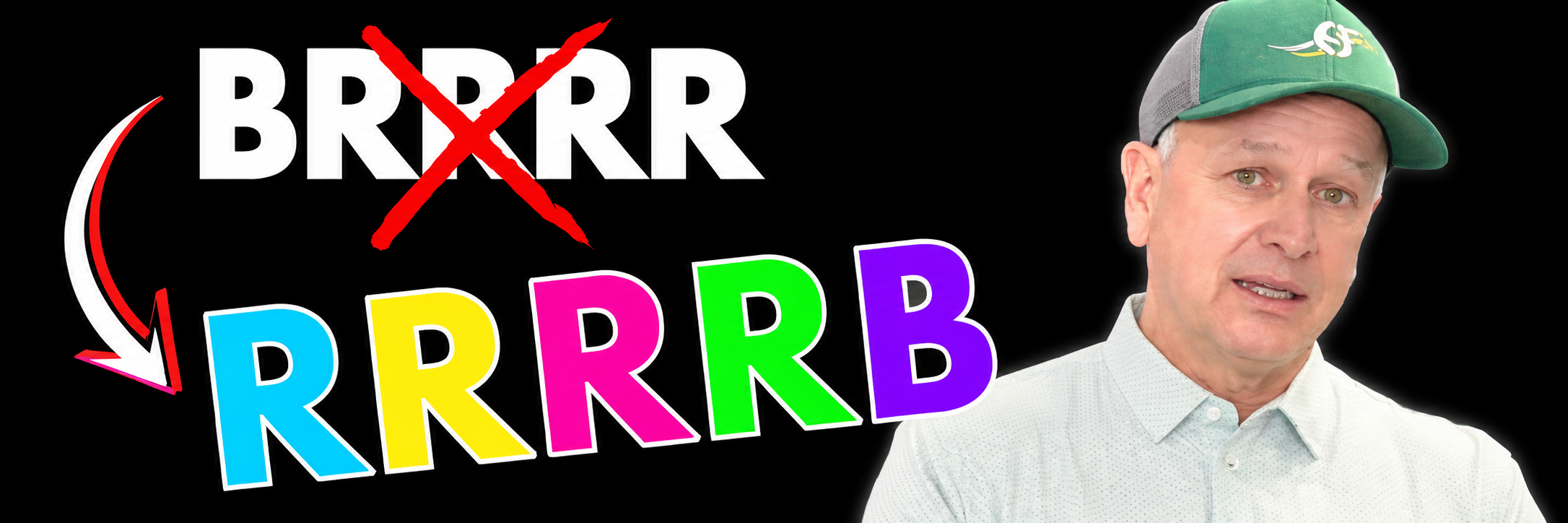
The smarter strategy flips BRRRR around. Instead of starting with the buy, smart investors start with the refinance and rental numbers first. Then, they work backward from there. This is often called the “RRRRB” strategy.

In simple terms:
You go backward first so you can move forward with confidence.

Step 1: Know Your Rental Numbers First

Before you buy anything, study the rental numbers in the area.

Look at:

  • Market rents
  • Taxes
  • Insurance
  • HOA fees
  • Maintenance costs
  • Vacancy estimates

Then, compare those numbers to the future mortgage payment.

For example:

A property may rent for $2,200 per month.
However, after taxes, insurance, and the loan payment, you may only have $100 left each month. That is probably not enough cash flow for most investors. On the other hand, another property nearby may create $500 per month in cash flow simply because the numbers work better. That is why smart investors test multiple deals first. In fact, many successful investors look at 10 to 20 properties before buying one.

Step 2: Test the Refinance Before You Buy

This is one of the biggest lessons in The Smarter Version of the BRRRR Method. Before you purchase the property, make sure you can refinance it later. This step matters because many investors assume the refinance will work automatically. Unfortunately, that is not always true.

Instead, ask questions like:

  • Will the property qualify for a DSCR loan?
  • Will the rents support the payment?
  • Will the appraisal support the value?
  • Will your credit score qualify?
  • Will the lender refinance the property type?

For example:

An investor buys a property for $150,000 and puts $40,000 into repairs. After the rehab, they expect the property to appraise for $260,000.

Sounds great, right? However, if the rents only support a smaller refinance loan, the investor may end up leaving a lot of cash stuck in the deal. That slows down future investing. Because of that, smart investors test refinance options before they ever close on the property.

Step 3: Build Your Rockstar Team

Next, smart investors build a strong team. In the reverse BRRRR method, the “R” can also stand for “Rockstar.”

These are the people who help you find great deals:

  • Realtors
  • Wholesalers
  • Contractors
  • Property managers
  • Private lenders
  • Hard money lenders

The more quality people you know, the more opportunities you will see. Additionally, when you already know your numbers, you can review deals very quickly. Instead of guessing, you simply compare the property to your target numbers. That makes decision-making much easier.

Step 4: Plan Your Renovation Funding Ahead of Time

Many investors underestimate rehab costs. Even worse, some investors run out of money halfway through the project.

That creates delays. And delays create profit erosion. Because of that, smart investors plan renovation funding before they buy.

This may include:

  • Hard money loans
  • HELOCs
  • Business lines of credit
  • Business credit cards
  • Private money
  • Cash reserves

The goal is simple: Keep the project moving.

Fast projects usually create:

  • Lower holding costs
  • Less stress
  • Faster sales
  • Better cash flow
  • More profits

Step 5: Buy With Confidence

Now you are finally ready to buy. Notice something important? Buying is the LAST step in the planning process.

At this point, you already know:

  • The rent numbers work
  • The refinance should work
  • The area fits your goals
  • The renovation budget makes sense
  • The funding plan is ready

As a result, you can move forward with much more confidence. That is the power of The Smarter Version of the BRRRR Method.

Why This Strategy Helps New Investors

Many new investors fail because they buy first and think later. However, smart investors think first and buy second. That small shift can make a huge difference. Instead of hoping the deal works, you already know the target numbers before you make an offer.

This helps investors:

  • Avoid bad deals
  • Reduce surprises
  • Build repeatable systems
  • Grow faster
  • Keep more cash available
  • Sleep better at night

Most importantly, it helps create rental properties that actually produce income and long-term wealth.

The Goal Is Repeatable Success

The best real estate strategy is not just finding one good deal. The real goal is building a system you can repeat again and again. That is why reverse planning matters so much.

When you understand:

  • Rents
  • Refinance options
  • Funding
  • Rehab budgets
  • Cash flow
  • Market growth

You can make smarter decisions. And over time, those smarter decisions can build a very strong portfolio.

Final Thoughts on The Smarter Version of the BRRRR Method

The BRRRR method still works. However, investors today need to be more careful with their numbers. Interest rates, insurance costs, taxes, and rehab costs all matter more than ever. Because of that, many successful investors now start backward before they move forward. They test the refinance first. Then they buy.

Want to find out more! Watch my most recent video about: The Smarter Version of the BRRRR Method

by

Most Investors Focus on the Wrong Number

Many real estate investors spend all their time looking at profit. However, they forget to look at what slowly eats those profits away. That is called profit erosion. In other words, every extra month, surprise cost, funding delay, or bad loan setup can slowly drain the money from your deal. Therefore, before you jump into your next project, you need to ask better questions. That is why understanding the “5 Must-Ask Questions Before Getting a Fix & Flip Loan” can completely change your business. The smarter version of the BRRRR strategy is not just about buying, rehabbing, renting, refinancing, and repeating. Instead, it is about protecting your profits before the project even starts. Because of that, smart investors plan for speed, funding gaps, carry costs, and delays long before demo day begins.

What Is Profit Erosion in Real Estate Investing?

Profit erosion happens when your deal slowly loses money over time. At first, the deal may look amazing on paper. However, delays and extra costs start stacking up quickly.

For example:

  • Loan payments continue
  • Utilities continue
  • Insurance continues
  • Taxes continue
  • Contractors slow down
  • Material prices rise
  • The market shifts
  • Buyers wait longer

As a result, your expected $40,000 profit may turn into $20,000 fast. Even worse, many investors do not notice the damage until the project is almost over. Therefore, the smarter investors focus on speed and proper funding before they buy.

Question #1: Do I Have Enough Money to Keep the Project Moving Fast?

This may be the most important question of all. Many investors believe “100% financing” means they need no money. However, that is rarely true. In reality, projects move faster when investors have extra available funds ready to go.

For example, you may still need money for:

  • Down payments
  • Closing costs
  • Carry costs
  • Insurance
  • Utility bills
  • Escrow delays
  • Surprise repairs
  • Material upgrades

Because of that, smart investors often keep an extra 20% available beyond the lender funds. Think about it this way. A project with full funding is like driving across town while hitting every green light. Meanwhile, a project without enough funding hits red light after red light. The contractor waits. The materials wait. The inspections wait. Then the profits wait too.

Question #2: How Much Will Delays Cost Me Every Month?

Most investors underestimate holding costs. However, holding costs quietly destroy profits every single month.

For example, imagine your project costs:

  • $2,500 per month in payments and expenses
  • 3 extra months because funding runs tight
  • Total extra cost = $7,500

Now add:

  • Extra stress
  • Slower contractors
  • Possible price reductions
  • Market uncertainty

Suddenly, your deal lost far more than expected. Therefore, smart investors ask this question before they buy: “What happens if this project takes 2 to 3 months longer?” That single question can save thousands.

Question #3: Will My Loan Structure Help Me or Hurt Me?

Not all fix & flip loans work the same way. Some loans help projects move smoothly. Others create constant stress.

Therefore, you need to understand:

  • How draws work
  • How fast reimbursements happen
  • What is not covered
  • What reserves are required
  • Whether payments are monthly
  • Whether extensions are available

For example, some investors spend their last dollars on the down payment. Then they discover they still need money for carrying costs and escrow delays. That creates pressure immediately. On the other hand, smart investors build a funding system before buying.

They may use:

  • HELOCs
  • Business credit cards
  • Private money
  • Lines of credit
  • Cash reserves

As a result, the project keeps moving even when surprises happen.

Question #4: What Happens If the Property Does Not Sell Fast?

This is another huge mistake investors make. They assume the house will sell immediately. However, markets change. Sometimes buyers want updates, the home needs staging, or rates rise. Therefore, smart investors prepare backup plans early.

For example:

  • Can the property become a rental?
  • Will it qualify for a DSCR loan?
  • Do rents cover the payment?
  • Could small upgrades help it sell faster?
  • Do you have reserves if the market slows?

The smarter version of the BRRRR strategy always includes multiple exits. Because of that, experienced investors stay calmer during market shifts.

Question #5: Is My Funding Helping Me Build Long-Term Wealth?

Smart investors understand something important. Cheaper money creates bigger profits. Therefore, as investors grow their available cash and credit, they often lower their borrowing costs too. That creates another profit layer.

For example:

  • Bigger down payments may reduce rates
  • Better reserves may improve loan terms
  • Faster projects reduce holding costs
  • Strong funding relationships create flexibility

As a result, one successful project helps create the next opportunity. This is where the smarter version of the BRRRR strategy becomes powerful. Instead of only chasing deals, you start building a funding machine.

The Smarter Version of BRRRR Is About Speed and Certainty

Many beginner investors think success comes from finding the perfect property. However, experienced investors know something different.

Success usually comes from:

  • Proper funding
  • Fast execution
  • Strong reserves
  • Multiple exit plans
  • Lower debt costs

In other words, speed protects profits. Certainty protects stress levels. And better funding protects your future. Therefore, before your next project, slow down and ask better questions first. Because the right funding setup may matter more than the deal itself.

Final Thoughts

The smartest investors do not just focus on profit. Instead, they focus on protecting profit. That is why the “5 Must-Ask Questions Before Getting a Fix & Flip Loan” matter so much. Every delay costs money, funding problems slow momentum and extra months added onto the project can quietly drain thousands from your deal. However, when you prepare ahead of time, projects move faster, stress drops, and profits often improve. That is the smarter version of the BRRRR strategy. And honestly, it may be the difference between building wealth and constantly fighting fires.

Watch my most recent video to discover more about: 5 Must-Ask Questions Before Getting a Fix & Flip Loan

by

Myth Busted: Why 100% Financing Doesn’t Exist. Real estate investors hear it all the time. “Get 100% financing for your flip.” At first, that sounds amazing. However, there is a big problem with that statement. True 100% financing does not exist. Yes, some lenders will fund 100% of the purchase price. In addition, some lenders will fund 100% of the rehab budget. Still, that does not mean they fund 100% of the deal. There are many other costs that show up during a project. Therefore, if you are not ready for them, your profits can disappear fast. Even worse, many investors slow down projects because they run out of available funds. As a result, delays pile up, stress builds, and profits shrink. The good news is this problem is fixable. Once you understand how real estate project cash flow really works, investing becomes easier, faster, and more profitable.

The Real Problem with “100% Financing”

Many new investors think this: “If the lender covers the purchase and repairs, I do not need any money.” Unfortunately, that is not how investing works. There are always costs outside the loan. For example, many lenders do not cover:

  • Closing costs
  • Title fees
  • Insurance
  • Origination fees
  • Legal fees
  • Utilities
  • Option fees
  • Wholesale fees
  • Over-budget repairs
  • Contractor deposits
  • Escrow timing gaps

Therefore, even if a lender says “100% financing,” you still need available funds ready to go. One project from the transcript showed nearly $13,000 in costs that were not covered by the lender on a $250,000 loan. That is real money investors still had to bring to the table.

The Hidden Costs That Kill Deals

Most investors only look at the purchase price and rehab budget. However, real profits come down to speed and preparation. Let’s look at what really happens during a project.

Closing Costs Add Up Fast

Every deal has fees.

For example:

  • Title company charges
  • Loan fees
  • Insurance costs
  • Underwriting fees
  • Mortgage taxes
  • Legal fees

Individually, these may not seem huge. However, together they can become thousands of dollars. One example from the transcript showed almost 3.8% of additional costs outside the lender funding. Therefore, a project that “looked funded” still needed over $12,000 out of pocket. That catches many investors by surprise.

Cash Flow Problems Slow Projects Down

Now let’s talk about the bigger danger. Cash flow. This is where many investors lose money. For example, contractors often need deposits upfront. In addition, materials like windows, doors, or flooring may need to be ordered before escrow reimbursements arrive. So, even though the lender may reimburse those costs later, you still need the money today.

Otherwise:

  • Contractors stop showing up
  • Materials arrive late
  • Inspections get delayed
  • The project slows down
  • Holding costs increase

Then profits start leaking away month after month.

Every Month Delayed Costs You Money

Speed matters in real estate investing.

The faster you finish:

  • The lower your holding costs
  • The lower your interest payments
  • The lower your stress
  • The faster you can move to the next deal

However, when projects drag out, profit erosion starts.

For example:

  • Interest keeps building
  • Utilities continue every month
  • Taxes keep coming
  • Insurance costs continue
  • Contractors leave for other jobs
  • Market conditions can change

One extra month may not seem like a big deal. However, two or three extra months can destroy a large part of your profit. That is why available funds matter so much.

Why Smart Investors Aim for 120% Funding

Experienced investors understand something beginners often miss. They know they need more than the lender loan. That is why many successful investors try to be “120% funded.”

In simple terms, that means:

  • The lender covers most of the deal
  • The investor has extra available funds ready

Those available funds help cover:

  • Closing costs
  • Surprise repairs
  • Escrow timing gaps
  • Contractor payments
  • Carry costs
  • Material deposits
  • Budget changes

As a result, the project keeps moving. And when projects move faster, profits usually improve. The transcript explained this perfectly. Investors who already have available funds set up often complete projects faster and with less stress.

Good Investors Build “Money Buckets”

Professional investors do not wait until problems happen. Instead, they prepare ahead of time. They create what many investors call “money buckets.” These are available funding sources that sit ready until needed.

For example:

  • Business credit cards
  • HELOCs
  • Lines of credit
  • Private money
  • Cash reserves
  • Funding partners

The key is simple. You do not use these funds unless needed. However, having them available keeps your project moving at full speed. That is a huge advantage.

A Simple Example

Let’s say two investors buy similar properties.

Investor #1 Has Available Funds

  • Contractors stay paid
  • Materials arrive early
  • Repairs move fast
  • The project finishes in 3 months

Investor #2 Runs Tight on Money

  • Contractors wait for payment
  • Materials get delayed
  • Escrow refunds arrive late
  • The project takes 6 months

Now look what happens.

Investor #2 pays:

  • More interest
  • More utilities
  • More insurance
  • More taxes
  • More stress

Meanwhile, Investor #1 already moved on to the next deal. That is the power of proper funding.

“100% Financing” Should Mean Something Different

The real goal is not finding a lender that funds everything. The real goal is building a full funding system.

That means:

  1. The lender funds the main loan
  2. You have available funds ready
  3. Your project keeps moving fast
  4. You protect your profits

That is real investing. And honestly, this mindset change helps investors more than almost anything else.

Final Thoughts

The myth of 100% financing hurts many new investors. They think the lender handles everything. However, real projects always need more cash flow, more planning, and more available funds. The good news is simple.

Once you understand this:

  • You can plan better
  • You can move faster
  • You can lower stress
  • You can protect profits
  • You can grow your investing business easier

The investors who win are usually not the ones with the fanciest projects. Instead, they are the ones who stay prepared. They understand cash flow. They understand speed. And most importantly, they understand that real estate investing is about keeping projects moving forward.

Watch my most recent video to find out more about: Myth Busted: Why 100% Financing Doesn’t Exist

by

Stop Guessing on Your Rental Deals

Real estate investing gets a lot easier when you know your numbers before you buy. That is why a Free DSCR Calculator: Instantly Check If Your Property Qualifies tool can save you time, stress, and money. Many investors look at a property and think, “This should cash flow.” However, lenders do not use “should.” They use numbers. That is where a DSCR calculator helps. Instead of guessing, you can quickly see if your rental property may qualify for financing. Better yet, you can test deals before you waste time making offers. As a result, you can move faster and feel more confident.

What Is a DSCR Loan?

A DSCR loan is a loan for rental properties. DSCR stands for Debt Service Coverage Ratio. That sounds fancy. However, the idea is simple. The lender wants to know: Does the property make enough money to cover the payment? Instead of using your job income, tax returns, or personal write-offs, the lender mainly looks at the property income. So, if the property cash flows well, you may qualify even if your tax returns look weak. Because of that, DSCR loans are popular with real estate investors.

How Does a DSCR Calculator Work?

A DSCR calculator compares:

  • Rental income
  • Mortgage payment
  • Property taxes
  • Insurance
  • HOA dues if needed

Then, it calculates the ratio.

For example:

  • Rent = $2,000 per month
  • Total payment and expenses = $1,600 per month

The ratio would be:

2,000 ÷ 1,600 = 1.25 DSCR

In other words, the property makes 25% more than the payment. Therefore, many lenders would view this as a stronger deal.

Why Investors Love Free DSCR Calculators

A free calculator helps investors make faster decisions. More importantly, it helps them avoid bad deals.

Here are a few big benefits:

Check Deals Before You Make an Offer

First, you can test properties quickly. Instead of waiting days for a lender review, you can get a rough idea in minutes. As a result, you can focus only on deals that make sense.

Save Time

Many investors waste hours looking at properties that will never qualify. However, a DSCR calculator helps filter deals faster. That means less frustration and more focus.

Build Confidence

Numbers create clarity.

For example, imagine two investors:

  • Investor #1 guesses a property works
  • Investor #2 runs the numbers first

Usually, Investor #2 sleeps better at night. Because of that, smart investors test first and buy second.

What Is a Good DSCR Ratio?

Most lenders want to see a DSCR ratio around 1.0 or higher.

Here is a simple breakdown:

DSCR Ratio What It Means
Below 1.0 Property may not cover payment
1.0 Break-even
1.25 Stronger cash flow
1.5+ Very strong cash flow

For example:

If a property brings in $1,500 and the payment is $1,500, the DSCR is 1.0. However, if the property brings in $2,000 with the same payment, the DSCR jumps to 1.33. Therefore, the second property usually looks much safer to lenders.

What Properties Work for DSCR Loans?

DSCR loans usually work for:

  • Single-family rentals
  • Duplexes
  • Triplexes
  • Fourplexes
  • Long-term rentals
  • Some short-term rentals

However, the property must usually be rental ready. For example, a house with no kitchen may not qualify yet. Meanwhile, a clean and updated rental home often works much better.

Why Cash Flow Matters So Much

Cash flow is the engine of your rental property. Without cash flow, investing gets stressful fast.

For example:

Imagine owning a rental that loses $500 every month.

At first, it may not seem terrible.

However, after one year, that is $6,000 gone.

Now imagine two or three properties doing the same thing. That stress adds up quickly. Because of that, smart investors focus on monthly cash flow first.

A Simple Example

Let’s say you find a rental home for $250,000.

The expected rent is $2,400 per month.

Now let’s estimate:

  • Mortgage payment = $1,700
  • Taxes = $250
  • Insurance = $100

Total expenses = $2,050

Now divide:

2,400 ÷ 2,050 = 1.17 DSCR

That deal may still work with many lenders. Better yet, you now know the numbers before moving forward.

Why Many New Investors Struggle

Many beginners focus only on these things:

  • Purchase price
  • Down payment
  • Future appreciation

However, they forget about monthly cash flow. As a result, they buy properties that feel good but perform poorly. That is why running the numbers first matters so much. The good news? A free DSCR calculator makes this process much easier.

Use the Calculator Before You Buy

One of the best habits an investor can build is testing deals early.

Before you:

  • Make an offer
  • Call contractors
  • Spend money on inspections
  • Get emotionally attached

Run the numbers first. Even better, compare several properties side by side. Then, focus on the one with the strongest cash flow.

Small Changes Can Improve Your DSCR

Sometimes a deal barely misses qualifying. However, small changes can help.

For example:

  • Lower the purchase price
  • Raise the rent
  • Put more money down
  • Lower insurance costs
  • Reduce HOA fees

Even a small payment change can improve the ratio. Therefore, smart investors always test multiple scenarios.

The Goal Is Clarity

A DSCR calculator does not guarantee success. However, it gives you something very important: Clarity. And when investors have clarity, they make better decisions. Instead of hoping a property works, you can actually see the numbers. That changes everything.

Final Thoughts

Rental investing gets easier when you stop guessing and start testing. A Free DSCR Calculator: Instantly Check If Your Property Qualifies tool helps you quickly understand if a property may cash flow enough for financing. More importantly, it helps you avoid costly mistakes. The investors who win long term are usually not the fastest talkers or the luckiest buyers. Instead, they are the people who know their numbers before they buy. So before your next rental deal, run the test first. Your future self will thank you.

Watch my most recent video to find out more about: Free DSCR Calculator: Instantly Check If Your Property Qualifies

by

Forget 100% — Here’s How Smart Investors Get 120% Financing. Everyone wants 100% financing. In fact, most new real estate investors spend a huge amount of time trying to figure out how to buy a fix-and-flip or BRRRR property with little money out of pocket. However, what many people do not realize is this: smart investors are not really chasing 100% financing. Instead, they are building systems that give them access to 120% financing.

That may sound strange at first. After all, why would someone need more than 100%? The answer is simple. Real estate projects cost more than just the purchase price and the rehab budget. There are many smaller costs that show up during a deal. Moreover, those extra costs can destroy profits if an investor is not ready for them.

The Truth About 100% Financing

Most lenders will fund a large portion of the purchase and often all of the rehab budget. For example, many lenders offer around 90% of the purchase price and 100% of the rehab costs. While that sounds great, there are still many expenses left over for the investor to cover. Therefore, experienced investors create what many call a “money bucket.” This money bucket holds the available funds needed to keep projects moving fast.

The truth is, speed matters in real estate. In fact, speed is one of the biggest keys to profits. The faster a project gets purchased, repaired, and sold, the more money the investor usually keeps. On the other hand, delays slowly eat away at profits month after month. Because of that, smart investors focus heavily on making sure they have money available before they ever buy a property.

Why Most New Investors Get Stuck

One of the biggest misunderstandings in real estate investing is the idea that 100% financing means no money needed. Unfortunately, that is not how real projects work. Even when a lender funds the rehab, the lender usually reimburses the work after it is completed. That means investors often need to spend money first before they receive reimbursement.

For example, a contractor may need a deposit before starting work. Appliances may need to be pre-ordered. Windows, flooring, cabinets, or doors may need to be purchased early to avoid delays. In addition, many contractors will not even place a project on their schedule without upfront money. Therefore, investors who do not have available funds often see their projects slow down quickly.

The Hidden Costs Most Investors Forget

Besides that, there are many other costs most beginners forget about. Earnest money is usually needed to lock up a contract. Closing costs must get paid at settlement. Insurance, title fees, lender fees, and HOA costs also add up quickly. Then come the monthly payments. Mortgage payments, utility bills, and other carry costs continue every month until the property sells or refinances.

At the same time, every project seems to have surprises. Sometimes an investor opens a wall and finds plumbing problems. Other times the city requires additional repairs. In some cases, the investor decides to improve the property further to increase value. Unfortunately, lenders usually do not increase the rehab budget when those surprises happen. Because of that, experienced investors prepare ahead of time for unexpected costs.

Why Smart Investors Build a “Money Bucket”

This is where the idea of 120% financing becomes so important. Smart investors know they need extra available funds to cover these gaps. They understand that the lender is only one piece of the funding puzzle. The rest comes from the investor’s money bucket.

A money bucket can come from several places. Some investors use savings. Others use HELOCs, business lines of credit, or business credit cards. Some work with partners or private lenders. In many cases, investors combine several funding sources together to create flexibility and speed. The goal is not to use all the money. Instead, the goal is to have the money available if needed.

That is an important difference.

Successful investors want access to funds because access creates certainty. When investors know they can handle surprises, pay contractors quickly, and keep projects moving, they make better decisions. They also avoid panic borrowing and expensive delays.

A Simple Example of 120% Financing

For example, imagine an investor buys a property for $200,000 and plans a $75,000 rehab. The lender may cover most of those costs. However, the investor may still need tens of thousands of dollars available for down payments, closing costs, carry costs, escrow gaps, contractor deposits, and surprises. Suddenly, the project requires much more than “100% financing.”

This is why experienced investors stop focusing only on interest rates. Instead, they focus on project flow. A slightly better rate does not help much if the project gets delayed for months because the investor cannot keep contractors moving. In contrast, available funding helps projects move quickly, and quick projects usually create bigger profits.

The Difference Between Beginners and Professionals

Many new investors make the mistake of buying first and figuring out the funding later. Unfortunately, that often leads to stress and delays. Contractors stop showing up. Materials arrive late. Bills pile up. Meanwhile, the holding costs continue growing every month.

Professional investors think differently. They build the funding first. Then they go hunting for deals. That one shift changes everything because it allows them to move with confidence and speed.

Final Thoughts on Forget 100% — Here’s How Smart Investors Get 120% Financing

At the end of the day, real estate investing is not just about finding good properties. It is also about building strong systems around those properties. The investors who last the longest understand how to create available funding before they need it. They know that real success comes from being prepared, properly funded, and ready to move quickly when opportunities appear.

So, forget 100% financing. The real goal is building 120% financing. When you create the right money bucket, you stop scrambling for cash and start focusing on what really matters: finding deals, finishing projects faster, and building a better real estate business.

Watch my most recent video to find out more about: Forget 100% — Here’s How Smart Investors Get 120% Financing

by

Smart Investors Prepare Before the Deals Show Up

Now is the Time to Get a HELOC on Your Investment Properties. In fact, many smart investors are getting ready right now before the next wave of good deals hits the market. Why?

Because markets change fast.

Right now, more homes are sitting on the market longer. Additionally, price drops are starting to happen in many areas. That means opportunities may be coming soon for investors who are ready. However, investors who wait too long may miss those deals altogether.

Therefore, this is the time to prepare.

When everyone else gets nervous, smart investors get organized. They make sure they have funding ready before they need it. As a result, they can move fast when a great property shows up. A HELOC can help you do exactly that.

What Is a HELOC on an Investment Property?

A HELOC is a Home Equity Line of Credit. It lets you borrow against the equity in your rental property.

For example, let’s say you have a rental home worth $300,000. Now imagine you owe $180,000 on the mortgage. In many cases, a lender may allow you to borrow part of that remaining equity. Instead of refinancing the whole loan, a HELOC gives you a line of credit you can use when needed.

That means:

  • You can pull funds out when opportunities appear
  • You only use what you need
  • You can reuse the funds again later
  • You keep cash available for investing

Most importantly, you gain speed and flexibility.

Why Investors Should Get a HELOC Before the Market Changes

This is one of the biggest reasons investors should act now. As property values soften, banks often tighten their lending guidelines. In other words, lenders may lower the amount you can borrow later. At the same time, rental property values may also decrease with the market.

So, waiting could hurt you in two ways:

  1. Your property value may go down
  2. The lender may reduce the amount they will lend

That is why many investors want to lock in their HELOC now while values are still stronger.

Think about it like this.

Would you rather:

  • Have available funding ready before the deals appear?
  • Or scramble at the last minute trying to find money?

The prepared investor usually wins.

Available Funds Make Real Estate Investing Easier

Many investors focus only on the purchase loan. However, fix-and-flip lenders and BRRRR lenders usually do not cover everything.

You still may need money for:

  • Down payments
  • Closing costs
  • Contractor payments
  • Holding costs
  • Escrow gaps
  • Surprise repairs
  • Utility bills
  • Insurance payments

That is where a HELOC becomes powerful. Instead of stopping your project every time cash gets tight, you already have funds available.

As a result:

  • Projects move faster
  • Contractors stay happy
  • Repairs get done quicker
  • Profits have a better chance to stay intact

Speed Matters More Than Most Investors Realize

The longer a project takes, the more expensive it becomes.

Every extra month can mean:

  • More payments
  • More interest
  • More taxes
  • More insurance
  • More stress

Meanwhile, investors with available funds can move faster than the competition. Imagine driving across town. One investor hits every green light because they have funding ready. They buy materials quickly, pay contractors on time, and keep the project moving. Another investor hits red lights all day long because they are constantly waiting for money. Who gets to the finish line first? Usually, the investor with available funds. That is why experienced investors often say: “Speed protects profits.”

Buy When Others Are Nervous

Great deals often show up when other people are scared. As markets soften, some sellers become motivated. Additionally, properties may sit longer and price reductions may increase. However, if you wait until that moment to apply for a HELOC, it may already be too late. Banks and credit unions often tighten up during uncertain times. Therefore, smart investors prepare before the rush starts.

Remember this simple idea:

  • When everyone is selling, good investors look for buying opportunities
  • When everyone is buying, smart investors become more cautious

Preparation creates options.

Why HELOCs Work So Well for Investors

HELOCs are popular with investors because they are flexible. Once the line is open, you can usually access funds quickly without repeating the whole loan process every time.

That means you may be able to:

  • Wire money quickly
  • Cover rehab costs
  • Handle cash flow gaps
  • Use funds for earnest money
  • Make fast offers on deals

Additionally, many investors like HELOCs because they only pay interest on the amount they actually use.

For example, if you have a $100,000 HELOC but only use $20,000, you normally only pay interest on the $20,000. That flexibility matters.

Credit Unions vs Broker HELOCs

There are usually two common places investors look for HELOCs:

  • Local banks and credit unions
  • Mortgage brokers with non-bank HELOC products

Both can work well. However, they each have pros and cons.

Credit Union HELOCs

These are often:

  • Lower cost
  • Lower interest rates
  • Lower fees

However, they may:

  • Take longer to close
  • Limit the number of HELOCs you can have
  • Require more paperwork

Still, many investors start here because the pricing is usually better.

Broker HELOCs

Broker products may offer:

  • Faster closings
  • DSCR-based HELOC options
  • LLC closing options
  • Multi-state investing flexibility

However, they may also have:

  • Higher rates
  • Higher fees
  • Required draws at closing

For example, some lenders may require you to pull out part of the HELOC immediately after closing. Therefore, investors should compare the total costs carefully. Even so, many investors still use these products because fast access to money can create bigger opportunities.

The Best Time to Get Funding Is Before You Need It

This is one of the biggest lessons in real estate investing. Waiting until you desperately need money usually creates stress, delays, and expensive decisions. Instead, strong investors build their funding systems early.

They prepare:

  • HELOCs
  • Business credit cards
  • Lines of credit
  • Private money relationships
  • Cash reserves

Then, when the right deal appears, they are ready to move.

That confidence changes everything.

Final Thoughts on HELOCs for Investment Properties

Now is the Time to Get a HELOC on Your Investment Properties because markets are changing, opportunities may be growing, and lenders could tighten guidelines later.

A HELOC can help you:

  • Move faster
  • Protect your cash flow
  • Handle surprise expenses
  • Jump on great deals quickly
  • Keep projects moving smoothly

Most importantly, available funds give investors options. And in real estate investing, options are powerful. So, if you own rental properties, now may be the perfect time to talk with local banks, credit unions, or investment property lenders about your HELOC options. The investors who prepare early are often the ones who win later.

Watch my most recent video to find out more about: Now is the Time to Get a HELOC on Your Investment Properties

by