
Tag Archive for: real estate investing financing

Stop Guessing on Your Rental Deals

Real estate investing gets a lot easier when you know your numbers before you buy. That is why a Free DSCR Calculator: Instantly Check If Your Property Qualifies tool can save you time, stress, and money. Many investors look at a property and think, “This should cash flow.” However, lenders do not use “should.” They use numbers. That is where a DSCR calculator helps. Instead of guessing, you can quickly see if your rental property may qualify for financing. Better yet, you can test deals before you waste time making offers. As a result, you can move faster and feel more confident.

What Is a DSCR Loan?

A DSCR loan is a loan for rental properties. DSCR stands for Debt Service Coverage Ratio. That sounds fancy. However, the idea is simple. The lender wants to know: Does the property make enough money to cover the payment? Instead of using your job income, tax returns, or personal write-offs, the lender mainly looks at the property income. So, if the property cash flows well, you may qualify even if your tax returns look weak. Because of that, DSCR loans are popular with real estate investors.

How Does a DSCR Calculator Work?

A DSCR calculator compares:

  • Rental income
  • Mortgage payment
  • Property taxes
  • Insurance
  • HOA dues if needed

Then, it calculates the ratio.

For example:

  • Rent = $2,000 per month
  • Total payment and expenses = $1,600 per month

The ratio would be:

2,000 ÷ 1,600 = 1.25 DSCR

In other words, the property makes 25% more than the payment. Therefore, many lenders would view this as a stronger deal.

Why Investors Love Free DSCR Calculators

A free calculator helps investors make faster decisions. More importantly, it helps them avoid bad deals.

Here are a few big benefits:

Check Deals Before You Make an Offer

First, you can test properties quickly. Instead of waiting days for a lender review, you can get a rough idea in minutes. As a result, you can focus only on deals that make sense.

Save Time

Many investors waste hours looking at properties that will never qualify. However, a DSCR calculator helps filter deals faster. That means less frustration and more focus.

Build Confidence

Numbers create clarity.

For example, imagine two investors:

  • Investor #1 guesses a property works
  • Investor #2 runs the numbers first

Usually, Investor #2 sleeps better at night. Because of that, smart investors test first and buy second.

What Is a Good DSCR Ratio?

Most lenders want to see a DSCR ratio around 1.0 or higher.

Here is a simple breakdown:

DSCR Ratio What It Means
Below 1.0 Property may not cover payment
1.0 Break-even
1.25 Stronger cash flow
1.5+ Very strong cash flow

For example:

If a property brings in $1,500 and the payment is $1,500, the DSCR is 1.0. However, if the property brings in $2,000 with the same payment, the DSCR jumps to 1.33. Therefore, the second property usually looks much safer to lenders.

What Properties Work for DSCR Loans?

DSCR loans usually work for:

  • Single-family rentals
  • Duplexes
  • Triplexes
  • Fourplexes
  • Long-term rentals
  • Some short-term rentals

However, the property must usually be rental ready. For example, a house with no kitchen may not qualify yet. Meanwhile, a clean and updated rental home often works much better.

Why Cash Flow Matters So Much

Cash flow is the engine of your rental property. Without cash flow, investing gets stressful fast.

For example:

Imagine owning a rental that loses $500 every month.

At first, it may not seem terrible.

However, after one year, that is $6,000 gone.

Now imagine two or three properties doing the same thing. That stress adds up quickly. Because of that, smart investors focus on monthly cash flow first.

A Simple Example

Let’s say you find a rental home for $250,000.

The expected rent is $2,400 per month.

Now let’s estimate:

  • Mortgage payment = $1,700
  • Taxes = $250
  • Insurance = $100

Total expenses = $2,050

Now divide:

2,400 ÷ 2,050 = 1.17 DSCR

That deal may still work with many lenders. Better yet, you now know the numbers before moving forward.

Why Many New Investors Struggle

Many beginners focus only on these things:

  • Purchase price
  • Down payment
  • Future appreciation

However, they forget about monthly cash flow. As a result, they buy properties that feel good but perform poorly. That is why running the numbers first matters so much. The good news? A free DSCR calculator makes this process much easier.

Use the Calculator Before You Buy

One of the best habits an investor can build is testing deals early.

Before you:

  • Make an offer
  • Call contractors
  • Spend money on inspections
  • Get emotionally attached

Run the numbers first. Even better, compare several properties side by side. Then, focus on the one with the strongest cash flow.

Small Changes Can Improve Your DSCR

Sometimes a deal barely misses qualifying. However, small changes can help.

For example:

  • Lower the purchase price
  • Raise the rent
  • Put more money down
  • Lower insurance costs
  • Reduce HOA fees

Even a small payment change can improve the ratio. Therefore, smart investors always test multiple scenarios.

The Goal Is Clarity

A DSCR calculator does not guarantee success. However, it gives you something very important: Clarity. And when investors have clarity, they make better decisions. Instead of hoping a property works, you can actually see the numbers. That changes everything.

Final Thoughts

Rental investing gets easier when you stop guessing and start testing. A Free DSCR Calculator: Instantly Check If Your Property Qualifies tool helps you quickly understand if a property may cash flow enough for financing. More importantly, it helps you avoid costly mistakes. The investors who win long term are usually not the fastest talkers or the luckiest buyers. Instead, they are the people who know their numbers before they buy. So before your next rental deal, run the test first. Your future self will thank you.

Watch my most recent video to find out more about: Free DSCR Calculator: Instantly Check If Your Property Qualifies
by

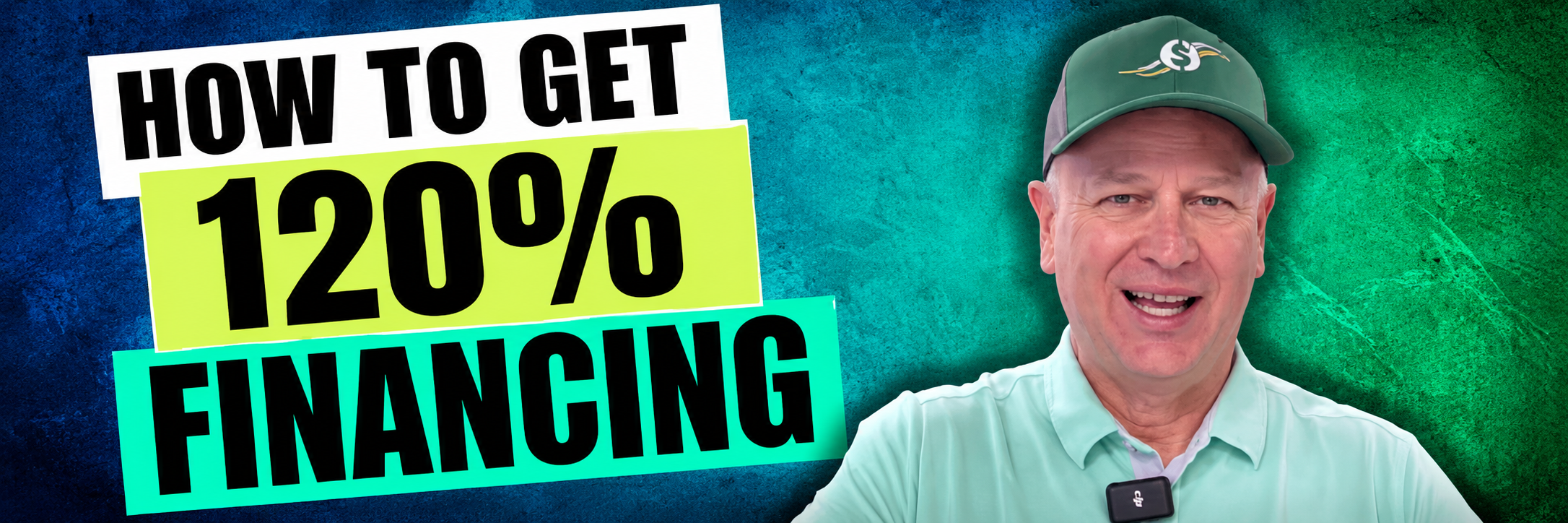
Forget 100% — Here’s How Smart Investors Get 120% Financing. Everyone wants 100% financing. In fact, most new real estate investors spend a huge amount of time trying to figure out how to buy a fix-and-flip or BRRRR property with little money out of pocket. However, what many people do not realize is this: smart investors are not really chasing 100% financing. Instead, they are building systems that give them access to 120% financing.

That may sound strange at first. After all, why would someone need more than 100%? The answer is simple. Real estate projects cost more than just the purchase price and the rehab budget. There are many smaller costs that show up during a deal. Moreover, those extra costs can destroy profits if an investor is not ready for them.

The Truth About 100% Financing

Most lenders will fund a large portion of the purchase and often all of the rehab budget. For example, many lenders offer around 90% of the purchase price and 100% of the rehab costs. While that sounds great, there are still many expenses left over for the investor to cover. Therefore, experienced investors create what many call a “money bucket.” This money bucket holds the available funds needed to keep projects moving fast.

The truth is, speed matters in real estate. In fact, speed is one of the biggest keys to profits. The faster a project gets purchased, repaired, and sold, the more money the investor usually keeps. On the other hand, delays slowly eat away at profits month after month. Because of that, smart investors focus heavily on making sure they have money available before they ever buy a property.

Why Most New Investors Get Stuck

One of the biggest misunderstandings in real estate investing is the idea that 100% financing means no money needed. Unfortunately, that is not how real projects work. Even when a lender funds the rehab, the lender usually reimburses the work after it is completed. That means investors often need to spend money first before they receive reimbursement.

For example, a contractor may need a deposit before starting work. Appliances may need to be pre-ordered. Windows, flooring, cabinets, or doors may need to be purchased early to avoid delays. In addition, many contractors will not even place a project on their schedule without upfront money. Therefore, investors who do not have available funds often see their projects slow down quickly.

The Hidden Costs Most Investors Forget

Besides that, there are many other costs most beginners forget about. Earnest money is usually needed to lock up a contract. Closing costs must get paid at settlement. Insurance, title fees, lender fees, and HOA costs also add up quickly. Then come the monthly payments. Mortgage payments, utility bills, and other carry costs continue every month until the property sells or refinances.

At the same time, every project seems to have surprises. Sometimes an investor opens a wall and finds plumbing problems. Other times the city requires additional repairs. In some cases, the investor decides to improve the property further to increase value. Unfortunately, lenders usually do not increase the rehab budget when those surprises happen. Because of that, experienced investors prepare ahead of time for unexpected costs.

Why Smart Investors Build a “Money Bucket”

This is where the idea of 120% financing becomes so important. Smart investors know they need extra available funds to cover these gaps. They understand that the lender is only one piece of the funding puzzle. The rest comes from the investor’s money bucket.

A money bucket can come from several places. Some investors use savings. Others use HELOCs, business lines of credit, or business credit cards. Some work with partners or private lenders. In many cases, investors combine several funding sources together to create flexibility and speed. The goal is not to use all the money. Instead, the goal is to have the money available if needed.

That is an important difference.

Successful investors want access to funds because access creates certainty. When investors know they can handle surprises, pay contractors quickly, and keep projects moving, they make better decisions. They also avoid panic borrowing and expensive delays.

A Simple Example of 120% Financing

For example, imagine an investor buys a property for $200,000 and plans a $75,000 rehab. The lender may cover most of those costs. However, the investor may still need tens of thousands of dollars available for down payments, closing costs, carry costs, escrow gaps, contractor deposits, and surprises. Suddenly, the project requires much more than “100% financing.”

This is why experienced investors stop focusing only on interest rates. Instead, they focus on project flow. A slightly better rate does not help much if the project gets delayed for months because the investor cannot keep contractors moving. In contrast, available funding helps projects move quickly, and quick projects usually create bigger profits.

The Difference Between Beginners and Professionals

Many new investors make the mistake of buying first and figuring out the funding later. Unfortunately, that often leads to stress and delays. Contractors stop showing up. Materials arrive late. Bills pile up. Meanwhile, the holding costs continue growing every month.

Professional investors think differently. They build the funding first. Then they go hunting for deals. That one shift changes everything because it allows them to move with confidence and speed.

Final Thoughts on Forget 100% — Here’s How Smart Investors Get 120% Financing

At the end of the day, real estate investing is not just about finding good properties. It is also about building strong systems around those properties. The investors who last the longest understand how to create available funding before they need it. They know that real success comes from being prepared, properly funded, and ready to move quickly when opportunities appear.

So, forget 100% financing. The real goal is building 120% financing. When you create the right money bucket, you stop scrambling for cash and start focusing on what really matters: finding deals, finishing projects faster, and building a better real estate business.

Watch my most recent video to find out more about: Forget 100% — Here’s How Smart Investors Get 120% Financing

by

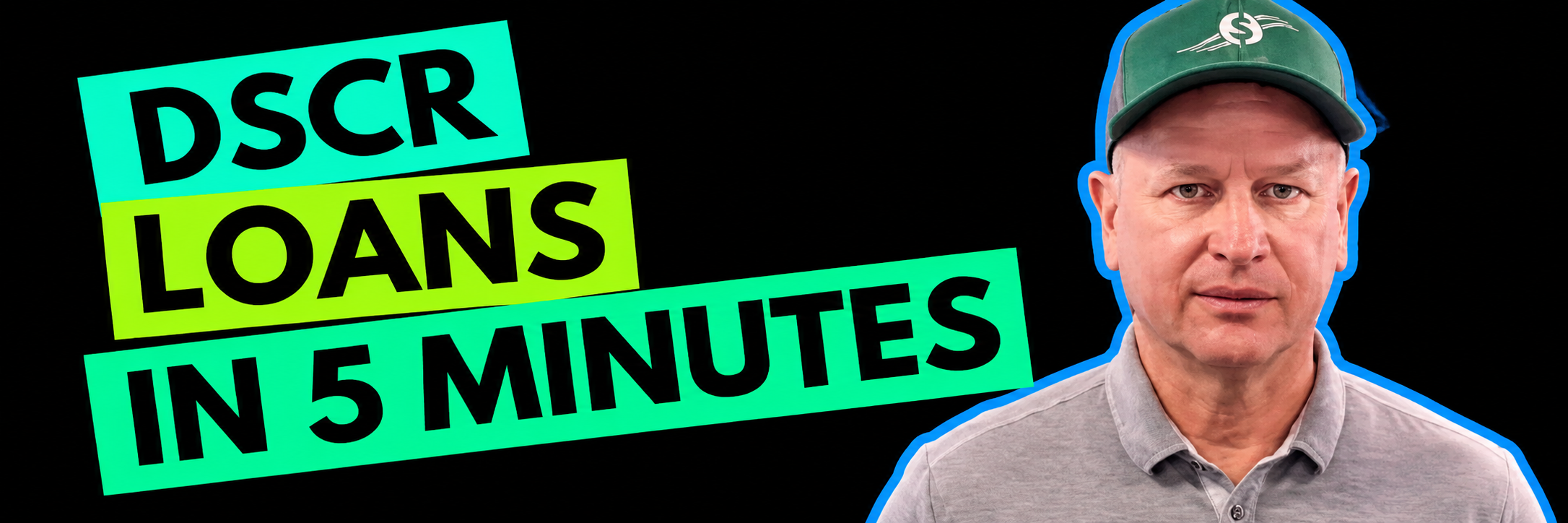
Real estate investing can feel confusing at first. Between loan terms, rental numbers, repairs, and cash flow, many investors end up overwhelmed before they even buy their first property. However, DSCR loans are actually much simpler than most people think.

That is why this guide on “DSCR Loans Explained in 5 Minutes for Real Estate Investors!” was created. Instead of using complicated banking language, we are going to break everything down.

What Is a DSCR Loan?

“DSCR Loans Explained in 5 Minutes for Real Estate Investors!” sounds like a big promise. However, DSCR loans are actually very simple once you break them down. A DSCR loan is a real estate loan that looks at the property’s income instead of your personal income. In other words, the lender mainly wants to know one thing: Does the property make enough money to cover the payment? That is why many investors call these “no personal income loans.” So, instead of handing over piles of tax returns and pay stubs, the property itself does most of the talking. Because of that, DSCR loans have become very popular with real estate investors.

What Does DSCR Mean?

DSCR stands for:

Debt Service Coverage Ratio

That may sound complicated at first. However, the math is actually very easy.

The lender compares:

  • The monthly rent
  • Against the monthly property payment

The payment usually includes:

  • Principal
  • Interest
  • Taxes
  • Insurance
  • HOA dues if needed

Then the lender checks if the rent covers the payment.

Simple DSCR Example

Let’s say your rental property brings in:

  • $2,000 per month in rent

Now let’s say the monthly payment is:

  • $1,600 per month

That means the property brings in more money than it costs each month.Therefore, the deal may qualify for a DSCR loan.Now let’s look at the opposite.

If the rent is:

  • $1,500 per month

But the payment is:

  • $1,800 per month

Then the property may not qualify.So, the goal is simple:

The property should pay for itself.

Why Real Estate Investors Love DSCR Loans

Traditional loans can be tough for investors. For example, many investors write off expenses on their taxes. As a result, their tax returns may show very little income. That creates problems with normal loans. However, DSCR loans work differently. Instead of focusing mainly on your job income, the lender focuses on the rental property. Because of that, many investors use DSCR loans to grow faster.

Benefits of DSCR Loans

Easier for Self-Employed Investors

Many investors own businesses or work for themselves. Therefore, proving income can become frustrating. DSCR loans help simplify the process.

Great for Scaling a Portfolio

Many investors want more than one property. However, traditional lending rules can slow them down quickly. DSCR loans often make it easier to keep buying rentals.

Faster Loan Process

Since there is usually less paperwork, many DSCR loans move faster. That matters because good deals move quickly.

Focus on Cash Flow

Strong investors care about cash flow. Thankfully, DSCR loans do too. That means the lender and the investor often focus on the same thing:

Does the property make money?

What Credit Score Do You Need?

Every lender is different. However, many investors start looking at DSCR loans once their credit score reaches around:

  • 660 or higher

Still, better scores usually create:

  • Better rates
  • Better loan options
  • Lower costs

So, improving your credit can help a lot.

What Types of Properties Work?

DSCR loans usually work best for:

  • Single-family rentals
  • Duplexes
  • Triplexes
  • Fourplexes

Sometimes lenders also allow:

  • Condos
  • Townhomes
  • Small multifamily properties

However, the property normally needs to be rental-ready.

DSCR Purchase vs Refinance

DSCR loans work for both purchases and refinances.

Purchase Example

You buy a rental property that already cash flows well. The lender checks the projected rent and monthly payment. If the numbers work, the deal may qualify.

Refinance Example

Let’s say you already own a rental. Now you want to refinance into a long-term loan.

A DSCR refinance may help you:

  • Lower payments
  • Pull cash out
  • Stabilize the property long term

That is why many BRRRR investors use DSCR loans at the end of their projects.

Free DSCR Calculator: Instantly Check If Your Property Qualifies
Before you make an offer, it helps to run the numbers first. That is where a DSCR calculator becomes powerful.

A good calculator can help you estimate:

  • Monthly payments
  • Rental income
  • Taxes
  • Insurance
  • Estimated DSCR ratio

As a result, you can quickly see if the property may qualify before wasting time. Additionally, this helps investors avoid bad deals early. Think of it like checking the weather before a road trip. The smarter you prepare, the smoother the ride becomes.

Fix and Flip Profit Erosion: Are You Losing Money with Your Deals?

Many investors focus only on profit at the sale. However, smart investors also focus on speed. Every extra month on a project can slowly eat away at profits.

For example:

  • Interest keeps adding up
  • Utility bills continue
  • Taxes continue
  • Insurance continues
  • Stress continues

Meanwhile, delays can also create missed opportunities. That is why proper funding matters so much. Investors who have enough available funds often finish projects faster. As a result, they usually protect more profit. In many cases, speed becomes a hidden profit tool.

Common Mistakes Investors Make

Buying Before Running the Numbers

Many beginners fall in love with the property first. However, numbers should always come first.

Not Checking Rental Income Properly

Bad rent estimates can ruin a deal quickly. Therefore, always check market rents carefully.

Forgetting Extra Costs

New investors often forget about:

  • Repairs
  • Vacancy
  • Maintenance
  • HOA dues
  • Carry costs

Because of that, some deals look better on paper than they really are.

A Simple DSCR Mindset

The best investors usually keep things simple.

They ask:

  • Does the property cash flow?
  • Does the deal make sense?
  • Can the property support itself?

That simple thinking can help investors avoid many bad deals.

Final Thoughts

DSCR loans have helped many investors buy and refinance rental properties without relying heavily on personal income. More importantly, they help investors focus on what truly matters:

Cash flow.

Additionally, DSCR loans can help investors grow faster, simplify approvals, and build long-term wealth through rental properties. So, before your next deal, run the numbers first. A simple DSCR calculator may save you time, stress, and money.

Watch my most recent video to find out more about: DSCR Loans Explained in 5 Minutes for Real Estate Investors!

by