to refi or not to refi

To refi, or not to refi: That is the question.

And we get this question a LOT. “Does it make sense to refi if I only plan to hold onto the property for a few more years?”

Earlier this week, we discussed the power of refinancing (and the math behind it.) Do the numbers support taking on extra years of payments?

For some of you, they do. For others, you might be left thinking, “But wait! What if I’m not going to keep the property for 24 or 30 years? At what point does it actually make sense to refinance?”

However, if you are not going to keep the property through the next 30 years, you’ll need to look hard at what the costs will be over the expected period. The key here is determining which path will cost you more money and which one will keep more in your pocket.

GOAL: Keep more money in your life and less in the hands of bankers.

Let’s look at an example:

You’re planning to keep a property for 3 years and then sell it. The question is, what will put more money in your pocket and cost you the least over those next 3 years?

Here is how we figure this out:

Step 1: Ask your mortgage company to run an amortization chart on your current loan and your new loan.

2: Then, pull your principal and interest from your current mortgage company’s website.

3: Next, ask your mortgage broker to give you the principal and interest from the new loan.

4: On each loan, multiply the payments by 36 (the 3-year window before you sell the property) and add the balance of your loan at the end of 3 years.

5. Lastly, compare notes and find out what would be the lowest amount. This is the one that will keep more money in your pocket.

Ultimately, this is just a pure and simple scenario of determining exactly how much the loan will take out of your pocket over the course of 3 years. We’re not looking at monthly cash flow, because true dollars out are pure and simple. This is your true cost out of your pocket.

If you need help, we’re happy to step in. Give us a call, and we can run all the numbers for you and see if it makes sense.  If it does, we can help you out even further by securing low rates and costs on your refi!

*All non-commercial and construction loans offered by TNS Loans NMLS #1719349

by

Conventional mortgage rates are showing signs of improving.

Thankfully, it’s looking like another great week for standard conventional mortgage rates.

So far this week, all evidence is pointing towards increasing stability and improvements on the conventional mortgage front.

  • Depending on whether you pay your mortgage person points or you have them wrapped into your loan, rates fluctuate between low 3’s and low 4’s.
  • We’re seeing great rates on the conforming side.
  • Every week, the non-traditional loans are reappearing with increased frequency.  
  • Some lenders have decreased credit score requirements to 680.
  • Rates are still on average above 7%, but signs are showing that they will drop soon.
  • LTVs are inching higher, but not to the degree we have seen them in the past.

In short: conventional mortgage interest rates are really good. But what does that mean for you?

How do you know when it’s smart to refinance your rental (or any) property?


Let’s face it: as rates drop, the question of whether or not to refinance runs through all our minds.

Would you like to find out (without the sales pitch from your mortgage person?)

Anyone can crunch the numbers in just a few minutes with just a few items.

Yes. It involves math. But we swear it’s EASY

For now, all you need is a piece a paper, a pen, a calculator, and your mortgage information. (You can pull this info directly from your mortgage company’s website). Then, follow these three steps:

Step 1: Locate the amount you pay monthly for principal and interest. (Ignore everything but your principal and interest (i.e. taxes and insurance).

Step 2: Locate the number of months remaining on your loan. 

Step 3: Multiply your monthly payment by the number of months you have left on your loan. 

That’s it! 


Let’s look at an example:

A: Your monthly principal and interest payment is $1,200

B: You have 288 payments left on your loan.  

C: $1,200.00 X 288 = $345,600 

(Scary sometimes to see how much you really owe, isn’t it? Don’t panic.)

Now, let’s say that you have an opportunity to refinance and lower your interest rate with a new payment of $1,100. Should you do it?


Let’s take a look:

On your new loan, you’d pay $1,100.00 for 30 years (or 360 months). That’s $1,100.00 x 360 = $396,000.00

If you refinance, you’d increase your monthly cash flow $100.00. However, as a result, you’d pay an extra $50,400.00 over the life of your loan! 

So, is the extra $100/month worth an extra 72 months (6 years) of mortgage payments? Does refinancing make sense for you financially? Well, that’s up to you.

Perhaps cash flow is more important at this time in your business life and paying the extra years is ok with you. That’s a decision only you can make. At least when you know all the numbers, you can make your call an educated one.


Try it on all your loans and find out what makes sense for you!


Your payments __________________ Months remaining _______________

Total remaining to be paid ___________________


Okay, we’re sure a few questions are swimming around in your head, so we’ll see if we can answer some of the most common ones upfront:

Q: “What if I’m not going to keep the property for 24 or 30 years? At what point does it make sense to refinance?” 

A: That’s coming up in the next article.


Q: “What if I want to use those savings and pay down my mortgage?” 

A: We’ll be addressing that in a future article as well.


Q: “What is my breakeven interest rate?”

A: There are so many paths you can go down and we’ll cover as many as we can. We’ll also provide a tool for you to run all these scenarios.


Today, it’s all about knowing your raw numbers.

Want an investor tool that can run these numbers (plus your breakeven rate and many more) in seconds? We have one in the works. Just get on our contact list, and we’ll let you know when it’s ready!

By knowing these numbers, you can save tens of thousands on each refinance.


Don’t feel like doing this or worry the math might overwhelm you? No worries! Shoot us an email with your current statement and we can run them for you.

*All non-commercial and construction loans offered by TNS Loans NMLS #1719349

by
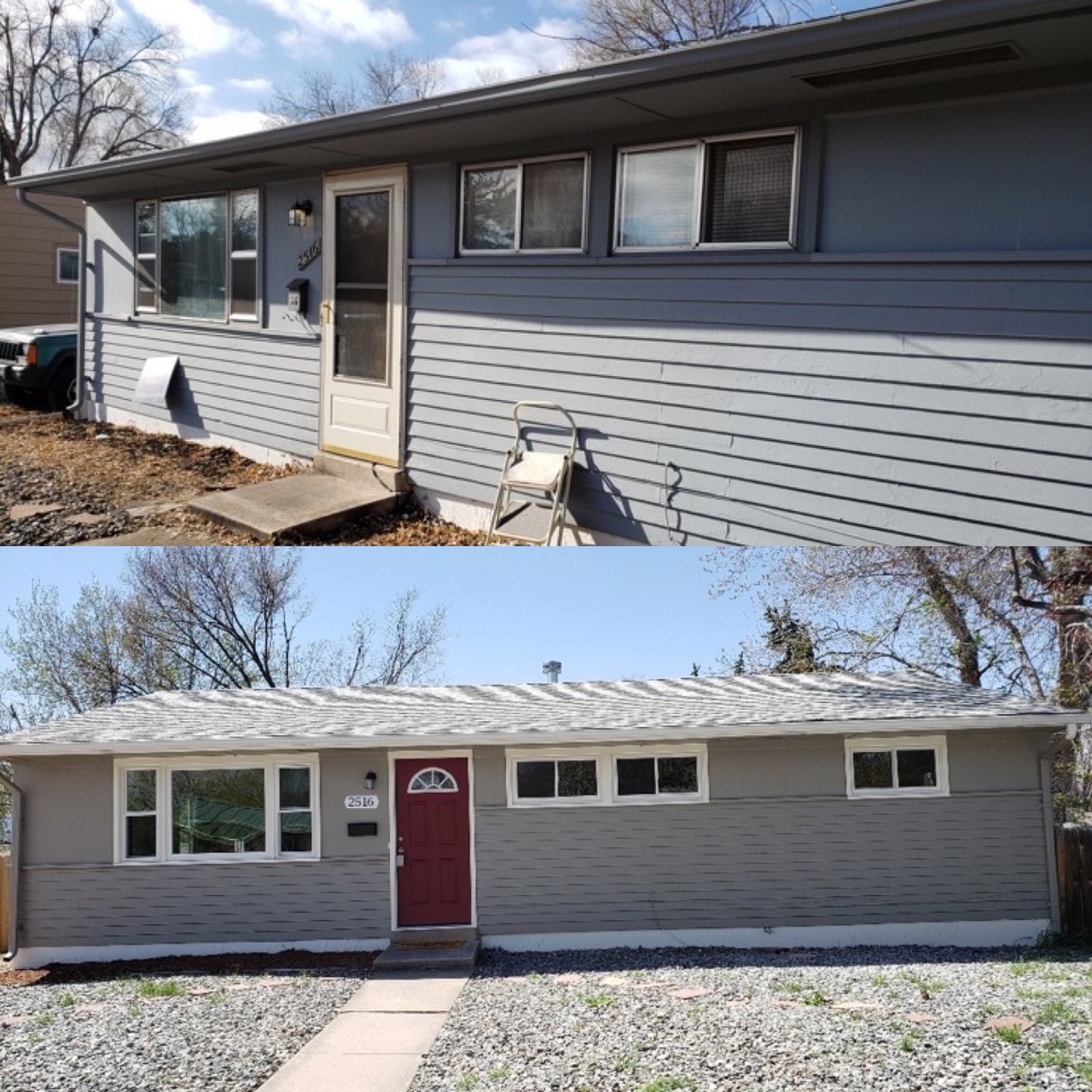
Dallas Fix-and-flip exterior

Nobody does fix-and-flip curb appeal like these Dallas clients.

Check out these amazing Before-and-After photos of this Dallas Fix-and-Flip!


Dallas fix-and-flip living room

These clients did an amazing job transforming this living room into a much more liveable space.

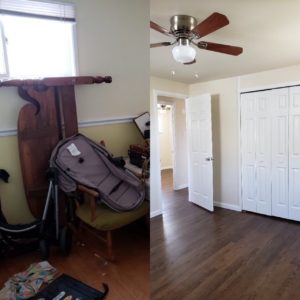
Dallas fix-and-flip bedroom

From dark and cave-like, to light and inviting, this bedroom looks pretty dreamy to us!

Dallas fix-and-flip kitchen

From cluttered to cool, this kitchen got a pretty serious glow-up.

Dallas fix-and-flip bathroom

Not even the bathroom escaped noticed in this impeccable flip!

We’re still in awe of this amazing fix-and-flip investment deal from our Dallas area clients. A little imagination and some investment capital can go a long way towards transforming a haggard house into an updated future home!

We never tire of watching our clients change the face of their neighborhoods in a positive way. This property is a shining example of what the real estate investing community is all about: improving a neighborhood and enjoying a profitable rehab!

Looking for a hard money loan to fund your own flip? Look no further.

How do you take the guesswork out of getting your deals funded for rehab projects like this one? Simple: By partnering with Hard Money Mike.

Hard Money Mike is a lender based in Colorado. We offer a large pool of lenders so we can be sure to find the right fit for your project. We regularly lend money for all types of commercial-based properties. So whether your project is a fix-and-flip, land, whole-tailing, or a builder bridge loan, we have you covered.

If this flip has you feeling inspired, we want to know about it! Contact Mike Bonn at 303-539-3000 or email Mike@HardMoneyMike.com to start exploring your lending options!

Want even more awe-inspiring investor inspo? Check out what some of our other clients have been up to…

*All non-commercial and construction loans offered by TNS Loans NMLS #1719349

by

Mortgage industry is showing signs of recovery.

The Mortgage Market is Showing Signs of Being on the Mend.

What We Know:

The mortgage market is finally showing signs that it is starting to recover and heal. As states begin to lift travel and business closure restrictions and reopen for commerce, lenders appear to be relaxing some of their restrictions in-kind.  Last week, we welcomed back a few lenders offering loans outside the standard conventional box.

This week, we see even more positive progress, such as lenders expanding the LTVs up to 70% on their investor cash flow loans (based on credit score and lease.)

We are noticing the lending requirements are a little more restrictive than before Covid-19, but at least additional options are making a comeback. Hopefully, this upward trend will continue over the following weeks.

What You Can Expect:

A return to business-as-usual won’t happen overnight, of course. The lower credit scores and higher LTVs will more than likely take some additional time to return to their pre-COVID closure state. Lenders will want more data on the unemployment and rental payment front before expanding.

Real estate investors may have to be more patient for normalcy to return to their lending markets.

Rates in the standard-conforming market are coming down.  For investors, 30-year rates are in the mid 3’s for purchases and no cash-out refinances.  Cash-out refinances are still a big challenge for investors, and will more than likely continue to be so for the next few months.

Expect to find the expanded requirements (up to 6 months reserves for each property) to be in place with underwriters through the end of the year.

*All non-commercial and construction loans offered by TNS Loans NMLS #1719349

by

Check out these fix-and-flip before-and-afters!


Fix-and-flip Exterior

This Oklahoma City fix-and-flip’s exterior went from creepy to some major curb appeal!

If you’re looking for more fix-and-flip inspo, check out this amazing deal our client in Oklahoma City, Oklahoma just completed. From dark and dreary, to light, bright, and ready for new occupants, this client helped give this property a serious second chance at becoming a stunning home. Here’s another set of before-and-afters that are better-than-seen-on-HGTV:

kitchen before and after

The kitchen overhaul took it from dark and dreary to light and bright.

Living Room before and after

From dark and cave-like to light and airy living space.

It’s easy to see photos of success stories like this and dream of doing a DIY-overhaul of your own investment property. Turning a before-and-after magic trick takes a lot of blood, sweat, and let’s face it, cash. Not everyone has the construction know-how to make their home renovation visions a reality, so more than likely, you’re going to need some capital. But whether you’re knocking down your own walls or partnering with a trusted contractor to bring your property rehab dreams to life, we’re here to help.

By partnering with our in-house hard money lending service, Hard Money Mike, you can count on a quick and easy process for rehab projects like this one. Hard Money Mike offers a large pool of lenders. Therefore, we make it easier for YOU to find the right fit for your project!

Hard Money Mike is a lender based in Colorado. We lend money on all types of commercial based properties: fix and flip, land, whole-tailing, and builder bridge loans.

Call Mike Bonn at: 303-539-3000 or email Mike@HardMoneyMike.com.

*All non-commercial and construction loans offered by TNS Loans NMLS #1719349

by

Check out this first-time investment property flip from our newbie mother/daughter client team:

Investment Property Exterior

This newbie team jumped all in and tackled this investment property flip in Colorado Springs, Colorado with the help of a general contractor. In less than 6 short months, this mother and daughter duo added some much-needed updates and some serious curb appeal and are already under contract to sell and take their profits and move on to the next deal! Pretty impressive for a first-time flip!

Investment Property bathroom

Bathroom before-and-after

Investment Property kitchen

From cluttered kitchen to bright-and-shiny function!

Investment Property Bedroom

Bedroom before-and-after

The best part of this deal? This was an investment property in their own neighborhood!


A fix-and-flip deal doesn’t have to be made across town: Look for deals in your own backyard (or, you know, down the street.) These clients not only fixed up a home to turn a profit for themselves, but they helped update their neighborhood at the same time. Making money while increasing the value of you AND your neighbors’ homes? That’s what we call a #HouseFlipping win, and ultimately, it’s really the thing a good fix-and-flip deal is made of.


We could all probably learn something valuable from this team about making smart choices about the locations of our investment properties.


It’s easy to sit back and draw inspiration from the successes of others, but if you happen to be on the hunt for hard money funds to jump into your own first-time flip, we can help! Contact us today to see if we can help you realize your investment property dreams!


Rental Property Loans>>>

by

Remote Closings And You: How COVID-19 Has Redefined the Real Estate Closing Process


What We Know:

The financial side of real estate has been stalled on many fronts these past few months due to the economic lockdown.


Offices are closing, and would-be buyers are losing their jobs. Appraisers aren’t allowed into properties, title companies are limiting closings. There are also complications of safely converting everyone’s office jobs to work-from-home positions.  This influx of rapid-fire changes puts a strain on the mortgage process and adds stress to closing on properties.


But, things are improving. We are beginning to see some positive changes thanks to the introduction of remote and online closings.  


What Is Changing:

For starters, buyers and sellers are no longer required to physically drive across town at a prescribed hour that works for everyone and suit up with masks and gloves for a closing.

Closing from Home

Systems are now in place for closings to happen 100% from the comfort of home or office ( or really, anywhere you need to be.)  Remote closings are real and they’re happening, along with simple remote notarizations. These simple adaptations eliminate so many hurdles to the closing process and help speed things along, especially in these unique times.


Fidelity, one of the largest title companies in the industry, is all-in with the remote advancements and allowing clients to choose how they close.


What the Future Holds:

We could be heading for a time when remote appraisals are standard and virtual showings become the norm.  It’s not as far-fetched as it sounds. We’re inching closer to that reality by the day.

Remote Closings

Just imagine the mortgage process taking place in a week or two, and not months!


Of course, this is good news for investors selling SFR properties and/or refinancing.  Landlords owning commercial properties may see values drop. After all, more people are working from home without having to physically come into an office.


On the rate front, we’re seeing very stable numbers. However, we’re still staring at a wall when it comes to refinancing.


As states open up and lift restrictions, let’s hope people run out and get back to work and start spending like we are all used to.


by

95% of investors are controlled by the banks. The other 5% control their own destiny.

Which group do you want to be in? 


History is repeating itself.  Banks and lenders are closed up and running away from loans for the investment community.  They’re backing out of deals just minutes from the closing of a loan, without the courtesy of so much as a “Sorry.”

Right now, the majority of real estate investors (95%) rely on banks and traditional lenders as a means to fund their deals. That means when the banks decide to stop lending money, they stop you from succeeding.


Let’s change that!


Now, more than ever is the perfect time to take back control of your financial future.


How? By partnering up with people who have money ready to invest! Mom, your bestie, neighbor, gym buddy—anyone with cash to invest has the ability to help fund your investment deals. It doesn’t HAVE to be a bank or traditional lender. 

Be a power player and join the 5% who don’t sweat economic disasters.


Want to dip your toes into the world of OPM (Other People’s Money) funding, but not sure where to start? Sign up for our Into to OPM Webinar! We’ll be going over the basics and answering your most pressing questions about how to secure financial freedom for your investment business, EVEN when the banks are saying “No.” 


Sign Up Here >>>


Just remember: Keep it legal, keep it safe, keep it honest.

by

Some serious added curb appeal was only the beginning for this Colorado flip.

Better than As-Seen-on-TV

How’s this for a Fixer Upper? Come with us as we explore some impressive investor before-and-afters from right here in Colorado!
This impressive flipper was able to transform this dated, worn-out property in less than two months! From dump to gem, and from purchase to under contract in less than two months!

We know which kitchen we’d rather be cooking quarantine meals in…

Yes, even in this crazy COVID-lockdown world, homes are getting updated and sold in record time. Rates are extremely low, and smart investors who have figured out how to work around the banks are taking advantage.

New and improved backyard oasis.

From scary and dark, to light, bright and inviting entryway.

From dark and dank to spa-level luxury in the bathroom.

Love how the flippers are making neighborhoods better one house at a time.
Sign up for our newsletter to receive updates, and we’ll keep you posted once the property closes and our client takes his profits and moves on to the next deal!
by


Refinancing may have just become more expensive for both rate and lower LTVs.


Wow, what is this? The powers that be are still messing with our beautiful lending world. It’s not a shock that government officials seem more focused on getting votes at the cost of property owners and mortgage companies, encouraging tenants not to pay rents and not lending a hand with evictions.


What We Know:

Mortgage rates are so low right now (in the mid 2’s for owner-occupied, and low 3’s for investors) that still-employed buyers should be running out and buying homes left and right.  After all, the number one reason buyers purchase is that they can fit the payment into their monthly budget. We should be seeing mortgage companies throwing money out to everyone. We should see buyers buying and investors refinancing (increasing that cashflow without adding more properties.)


So why isn’t that happening?


In short- our government is hard at work wreaking havoc in the lending markets, making it harder for all of us to get a loan, especially refinances.


Sure, it sounds good in theory: Allow anyone who wants to defer a payment or 4 during an economic crisis to do so, without proving any reason based on financial hardship.


How does this impact us all?  Glad you asked.


If a lender helps someone out and refinances them and they decided to go directly into forbearance, (yes, people WERE doing cash-out refinances with the plan of deferring payments to take advantage of the government’s kindness,) that lender cannot sell or move that loan off of their books to those that service FHA, VA, Conventional loans, etc, unless they want to take pay a huge fee. So, they decide to hold the loans, thus filling up their lending bucket.


So what happens next?  The lenders don’t want to take a chance that a percentage of people are going to take advantage of this opportunity, so they raise the cost of refinancing for everyone.  On top of that, they will start lowering the LTVs (loan-to-value ratios,) making the box for traditional financing harder for all.


Yes, obviously those that need mortgage forbearance should be able to use it, but it’s the ones who are not in financial need that are making these numbers grow, creating more costly financing for us all.


Let’s look at the numbers from an article from MBA.com from the end of April:


Key findings of MBA’s Forbearance and Call Volume Survey – April 13-19, 2020

  • Total loans in forbearance grew relative to the previous week (from 5.95% to 6.99%.) In comparison, only 0.25% of all loans were in forbearance for the week of March 2.
    • By investor type, Ginnie Mae loans grew the most relative to the prior week: from 8.26% to 9.73%.
    • The share of Fannie Mae and Freddie Mac loans in forbearance increased relative to the prior week: from 4.64% to 5.46%.
    • The share of other loans (e.g. private-label securities and portfolio loans) in forbearance increased relative to the prior week: from 6.43% to 7.52%.
  • Forbearance requests as a percent of servicing portfolio volume (#) dropped relative to the prior week: from 1.79% to 1.14%.

What You Can Do:

Keep up with your payments if you’re able. The more of us that are paying on time and in full, the quicker the lenders will start to relax and start loaning again. Everyone wins.

by