
Tag Archive for: cash flow

Real estate investing can feel confusing at first. Between loan terms, rental numbers, repairs, and cash flow, many investors end up overwhelmed before they even buy their first property. However, DSCR loans are actually much simpler than most people think.

That is why this guide on “DSCR Loans Explained in 5 Minutes for Real Estate Investors!” was created. Instead of using complicated banking language, we are going to break everything down.

What Is a DSCR Loan?

“DSCR Loans Explained in 5 Minutes for Real Estate Investors!” sounds like a big promise. However, DSCR loans are actually very simple once you break them down. A DSCR loan is a real estate loan that looks at the property’s income instead of your personal income. In other words, the lender mainly wants to know one thing: Does the property make enough money to cover the payment? That is why many investors call these “no personal income loans.” So, instead of handing over piles of tax returns and pay stubs, the property itself does most of the talking. Because of that, DSCR loans have become very popular with real estate investors.

What Does DSCR Mean?

DSCR stands for:

Debt Service Coverage Ratio

That may sound complicated at first. However, the math is actually very easy.

The lender compares:

  • The monthly rent
  • Against the monthly property payment

The payment usually includes:

  • Principal
  • Interest
  • Taxes
  • Insurance
  • HOA dues if needed

Then the lender checks if the rent covers the payment.

Simple DSCR Example

Let’s say your rental property brings in:

  • $2,000 per month in rent

Now let’s say the monthly payment is:

  • $1,600 per month

That means the property brings in more money than it costs each month.Therefore, the deal may qualify for a DSCR loan.Now let’s look at the opposite.

If the rent is:

  • $1,500 per month

But the payment is:

  • $1,800 per month

Then the property may not qualify.So, the goal is simple:

The property should pay for itself.

Why Real Estate Investors Love DSCR Loans

Traditional loans can be tough for investors. For example, many investors write off expenses on their taxes. As a result, their tax returns may show very little income. That creates problems with normal loans. However, DSCR loans work differently. Instead of focusing mainly on your job income, the lender focuses on the rental property. Because of that, many investors use DSCR loans to grow faster.

Benefits of DSCR Loans

Easier for Self-Employed Investors

Many investors own businesses or work for themselves. Therefore, proving income can become frustrating. DSCR loans help simplify the process.

Great for Scaling a Portfolio

Many investors want more than one property. However, traditional lending rules can slow them down quickly. DSCR loans often make it easier to keep buying rentals.

Faster Loan Process

Since there is usually less paperwork, many DSCR loans move faster. That matters because good deals move quickly.

Focus on Cash Flow

Strong investors care about cash flow. Thankfully, DSCR loans do too. That means the lender and the investor often focus on the same thing:

Does the property make money?

What Credit Score Do You Need?

Every lender is different. However, many investors start looking at DSCR loans once their credit score reaches around:

  • 660 or higher

Still, better scores usually create:

  • Better rates
  • Better loan options
  • Lower costs

So, improving your credit can help a lot.

What Types of Properties Work?

DSCR loans usually work best for:

  • Single-family rentals
  • Duplexes
  • Triplexes
  • Fourplexes

Sometimes lenders also allow:

  • Condos
  • Townhomes
  • Small multifamily properties

However, the property normally needs to be rental-ready.

DSCR Purchase vs Refinance

DSCR loans work for both purchases and refinances.

Purchase Example

You buy a rental property that already cash flows well. The lender checks the projected rent and monthly payment. If the numbers work, the deal may qualify.

Refinance Example

Let’s say you already own a rental. Now you want to refinance into a long-term loan.

A DSCR refinance may help you:

  • Lower payments
  • Pull cash out
  • Stabilize the property long term

That is why many BRRRR investors use DSCR loans at the end of their projects.

Free DSCR Calculator: Instantly Check If Your Property Qualifies

Before you make an offer, it helps to run the numbers first. That is where a DSCR calculator becomes powerful.

A good calculator can help you estimate:

  • Monthly payments
  • Rental income
  • Taxes
  • Insurance
  • Estimated DSCR ratio

As a result, you can quickly see if the property may qualify before wasting time. Additionally, this helps investors avoid bad deals early. Think of it like checking the weather before a road trip. The smarter you prepare, the smoother the ride becomes.

Fix and Flip Profit Erosion: Are You Losing Money with Your Deals?

Many investors focus only on profit at the sale. However, smart investors also focus on speed. Every extra month on a project can slowly eat away at profits.

For example:

  • Interest keeps adding up
  • Utility bills continue
  • Taxes continue
  • Insurance continues
  • Stress continues

Meanwhile, delays can also create missed opportunities. That is why proper funding matters so much. Investors who have enough available funds often finish projects faster. As a result, they usually protect more profit. In many cases, speed becomes a hidden profit tool.

Common Mistakes Investors Make

Buying Before Running the Numbers

Many beginners fall in love with the property first. However, numbers should always come first.

Not Checking Rental Income Properly

Bad rent estimates can ruin a deal quickly. Therefore, always check market rents carefully.

Forgetting Extra Costs

New investors often forget about:

  • Repairs
  • Vacancy
  • Maintenance
  • HOA dues
  • Carry costs

Because of that, some deals look better on paper than they really are.

A Simple DSCR Mindset

The best investors usually keep things simple.

They ask:

  • Does the property cash flow?
  • Does the deal make sense?
  • Can the property support itself?

That simple thinking can help investors avoid many bad deals.

Final Thoughts

DSCR loans have helped many investors buy and refinance rental properties without relying heavily on personal income. More importantly, they help investors focus on what truly matters:

Cash flow.

Additionally, DSCR loans can help investors grow faster, simplify approvals, and build long-term wealth through rental properties. So, before your next deal, run the numbers first. A simple DSCR calculator may save you time, stress, and money.

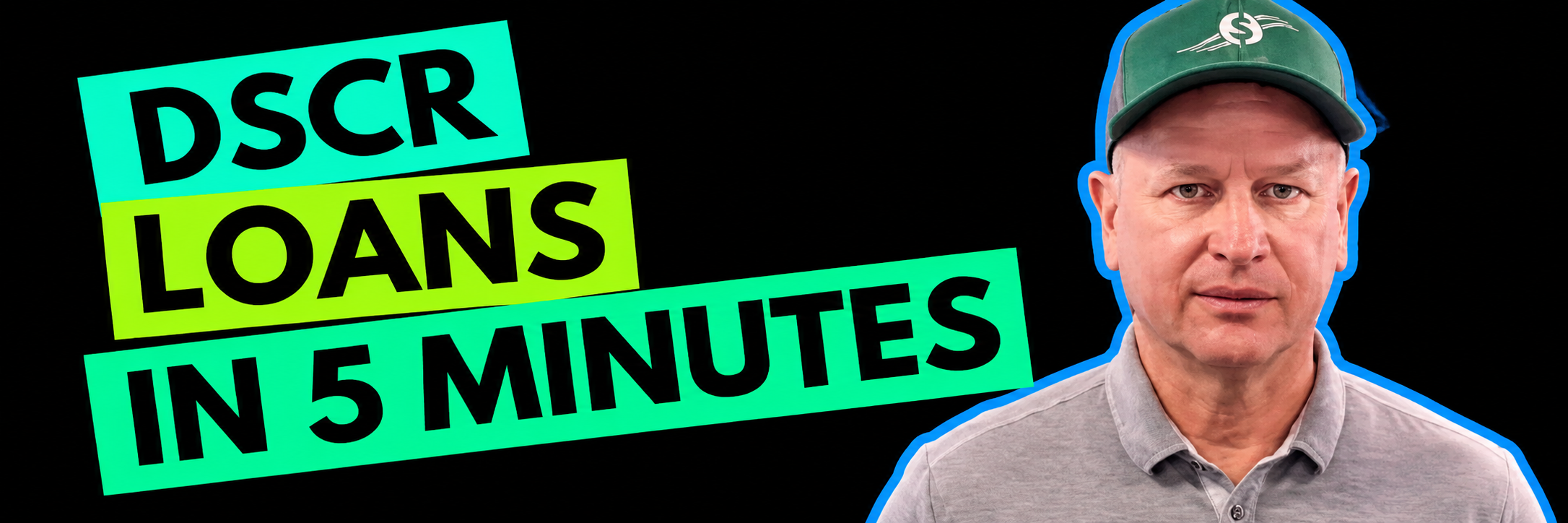
Watch my most recent video to find out more about: DSCR Loans Explained in 5 Minutes for Real Estate Investors!

by

Today we are going to discuss, “90% of real estate investors make this costly mistake”. Real estate investing isn’t just about finding a great deal. It’s about how fast you can move once you do. Sadly, most investors make the same mistake—they’re not money ready.

Let’s break down what that means, why it matters, and how you can avoid the costly delays that sink deals.

The #1 Mistake: Not Being Money Ready

Here’s the truth:
90% of investors aren’t ready to act fast when the right deal shows up. They scramble to pull money together after the fact.

But in real estate, speed equals profit.

When you don’t have funds available, you risk:

  • Losing the deal to someone faster

  • Delaying your project

  • Burning through your profits

  • Adding stress and possibly burning out

So, what can you do? You need to be money ready before you start.

Why Speed Matters in Real Estate

Speed helps you:

  • Lock down deals before your competition

  • Get the rehab done quickly

  • Put the property on the market fast

  • Move on to the next deal without delays

Every month a project drags on, 6% to 7% of your profit disappears due to:

  • Interest

  • Taxes

  • Insurance

  • Holding costs

It adds up quickly. For example, if your project runs six months longer than planned, you could lose 40% of your profit or more.

The Compound Effect Is Real

Fast investors make more money. Why? Because they do more deals in less time. One project funds the next.

But if you hit delays, you’re stuck.

Let’s say you planned a spring sale, but delays push you into summer. You might miss the hot market window—and be forced to drop your price.

That one delay can cause a domino effect:

  • Contractors reschedule

  • Supplies don’t arrive on time

  • Payments pile up

  • You lose time AND money

The Real Trap: Assuming Your Lender Covers Everything

Here’s another big mistake investors make…

They believe their fix and flip lender will cover all costs. But lenders only fund most of the deal—not all of it.

Most lenders will give you:

  • Up to 90% of the purchase price

  • Up to 100% of the rehab costs

Sounds great, right? It is—but it’s not enough.

You’ll still need money for:

  • Earnest money to lock in your deal

  • Down payment (usually 10%)

  • Monthly loan payments

  • Upfront escrow costs

  • Materials like doors, windows, or roofing

  • Surprises behind the walls

Real Life Example

Let’s say you’re buying a house for $100,000 and putting in $50,000 to rehab it.
Even with a great lender, you’ll need at least $30,000 to $60,000 of your own funds.

That’s 20% to 40% of the total deal amount.

Why? Because:

  • You need cash to get started fast

  • Lenders won’t pay for surprises

  • Delays will cost you more than being prepared ever will

What Are Available Funds?

Available funds are money you can access quickly—without jumping through hoops.

Here are a few good options:

  • Lines of credit

  • HELOCs (on other properties you own)

  • Business credit cards

  • Real OPM (Other People’s Money from friends, family, or local investors)

The best part?
If you’re not using them, they don’t cost you anything. They just sit ready for when you need them.

How Delays Kill Your Profits

One missed payment to a contractor can push back the whole job.
That roofer you delayed? Now your drywaller is three weeks out. And so on…

Before you know it:

  • Your finish date slips

  • Your interest keeps racking up

  • You’re missing your sale window

  • You feel stuck and stressed

All because you didn’t have the money ready to keep things moving.

Let’s Recap: What You Need to Win

To be successful in real estate investing, you need to:

First, Have 20% to 40% of the total deal amount ready
Second, Use lines of credit, HELOCs, cards, or real OPM
Third, Move quickly through each step—buy, rehab, refi, sell
Finally, Avoid delays that eat away your profits

Speed is your superpower. But only if your money bucket is full.

Ready to Be One of the 10%?

Being money ready gives you a massive edge. Not just on this deal—but on every deal after that.
You’ll make more. You’ll stress less. And you’ll build the life you want.

So don’t wait until it’s too late. Contact us today to find out more about: 90% of Real Estate Investors Make THIS Costly Mistake – Don’t Be One of Them!

Watch our most recent video today!

Check out our free eBook to learn how to set up your available funds now—and make real estate investing work for you.

Let’s do this the right way. Fast, smart, and profitable.

by

Today we are going to answer the question, “is a pad split investment property right for you?”First and foremost, what is a pad split? A pad split is a single-family home where each room rents separately instead of as a whole unit. This setup increases cash flow because multiple tenants pay rent on the property instead of just one. It works well in cities with high demand for affordable housing, which makes it a win-win for both landlords and renters.

The Income Potential

A traditional three-bedroom rental might bring in $1,500 per month. However, renting each bedroom separately for $700 could generate $2,100 or more. This strategy creates more income, but it also adds extra responsibilities.

The Challenges

Pad splits work best in areas with strong rental demand, such as near colleges, hospitals, or major job hubs. However, landlords must handle more tenant turnover and maintenance. Local zoning laws vary, so always check whether room rentals are allowed in your area.

In Conclusion

Is a pad split right for you? It all comes down to your goals and management style. If you want higher cash flow and don’t mind the extra work, a pad split could be a great investment. But if you prefer a hands-off rental, a traditional setup might be better. Weigh the pros and cons, check local rules, and decide what fits your strategy best.

Contact Us Today! 

Is a pad split investment property right for you? Contact us today to find out more!

Free Tools For You! 

We also have free tools available! Download the Quick Deal Analyzer to see if your potential rental property is going to be a good investment!

Learn more!

Visit our YouTube channel to learn more about real estate investing and how you can maximize your profits! 

Contact Us Today! 

Is a pad split right for you? Contact us today to find out more!

Free Tools For You! 

We also have free tools available! Download the Quick Deal Analyzer to see if your potential rental property is going to be a good investment!

Learn more!

Visit our YouTube channel to learn more about real estate investing and how you can maximize your profits! 

by

Today we are going to discuss why delays cause more stress and less profits. As a real estate investor, your profits as well as peace of mind depend on one thing: speed. The faster you complete a project, the more money you make, and the less stress you endure. Let’s dive into how delays can derail your plans and what you can do to avoid them.

The Common Mistake: Not Being Money Ready

One of the biggest mistakes real estate investors make is starting a project without being fully money ready. Many underestimate the costs involved in finishing a property, including:

  • Purchase price
  • Rehab expenses
  • Carrying costs (insurance, taxes, HOA fees, etc.)
  • Unexpected expenses

The Fix-and-Flip Process

When flipping a property, timing is critical. Therefore, hitting the right market season, like spring or late summer, can maximize your profits. For example, missing the window to sell before Thanksgiving could mean holding the property through slower months, like December and January, where carrying costs pile up and profits shrink.

Example: The Tale of Two Investors

Investor 1: Money Ready

  • ARV: $400,000
  • Expected Profit: $60,000 (15%)
  • Timeline: 5 months

This investor had a well-prepared budget with extra funds for unexpected issues, like $7,500 in unforeseen repairs. They handled delays without disrupting the contractor schedule. As a result, they finished early, saving money on carrying costs as well as closing with a $55,000 profit.

Investor 2: Not Money Ready

  • ARV: $400,000
  • Expected Profit: $60,000 (15%)
  • Timeline: 10 months

This investor wasn’t prepared for unexpected costs and had to scramble to find $7,500 for repairs. The delay caused contractors to take other jobs, pushing the schedule back by months. As time dragged on:

  • They paid an additional $3,000 per month in taxes, insurance, as well as interest.
  • They had to lower the property price by 5% ($20,000).
  • Their lender charged a $5,000 extension fee.

In the end, profits shrank to $15,000, and stress levels skyrocketed.

Why Speed Matters

Delays snowball into higher costs and lost profits. Here’s how:

  1. Added Carrying Costs: Every extra month means more payments for taxes, insurance, and interest.
  2. Price Drops: Holding the property too long can force you to lower the price to attract buyers.
  3. Stress and Missed Opportunities: While you’re stuck on one project, others are moving ahead with the next profitable deal.

How to Stay On Track

To avoid delays and protect your profits, always have 20-40% of your total budget in available funds. This could include:

  • Personal savings
  • Lines of credit
  • Credit cards
  • Financial backers

When unexpected expenses arise, having these funds ready ensures your project stays on schedule.

Real Estate Investing Is About Speed

In conclusion, speed is the name of the game in real estate. Fast closings not only help you secure great deals, but quick project completion  can also maximizes your profits. While delays can snowball, preparation keeps you in control.

If you need help setting up your financial plan or finding the right funds, reach out. We’re here to help you succeed, make more money, and more importantly enjoy the real estate investing journey.

Watch our most recent video to find out more about: Why Delays Cause More Stress and Less Profits

by

Today we are going to share the tale of two real estate investors. Real estate investing can be incredibly rewarding. But as with any venture, preparation is key. Let’s dive into the story of two investors and uncover why one succeeded while the other struggled. Their journeys highlight the importance of being money ready.

Investor 1: The Prepared Pro

Investor 1 started with a clear plan and a solid understanding of the process. They knew they needed to budget not just for the obvious costs but also for unexpected surprises. Here’s what they did right:

Setting the Budget

  • ARV (After Repair Value): $400,000
  • Expected Profit: 15% or $60,000
  • Total Budget: Included 6 months of carry costs, repairs, and selling costs.

Smart Planning

Investor 1 allocated 20-40% of their total project budget as accessible funds. This included:

  • Down payments
  • Carry costs like taxes, insurance, and HOA fees
  • Staging expenses
  • Unexpected repairs

For example, when they opened a wall and found outdated wiring and copper plumbing, they had $7,500 available to cover the costs. This allowed them to keep the project on schedule and avoid costly delays.

Staying on Track

Thanks to their preparation, Investor 1 completed the project in 5 months instead of the planned 6. They saved on carrying costs and walked away with a profit of $55,000. They were ready to move on to their next deal, stress-free and confident.

Investor 2: The Unprepared Dreamer

Investor 2 had the same goal: a $60,000 profit on a $400,000 ARV property. But they underestimated the importance of being money ready. Let’s see where things went wrong:

Overlooked Expenses

Investor 2 didn’t budget for:

  • Unexpected repairs
  • Additional months of carrying costs
  • Extension fees for their loan

When they faced the same $7,500 unexpected repair as Investor 1, they didn’t have funds available. Instead, they had to:

  • Seek gap funding from lenders, costing an extra $2,000.
  • Delay the project by weeks, leading to higher costs for labor and rescheduling contractors.

Delays and Costs Add Up

The delays pushed their timeline from 6 months to 10 months. This meant:

  • 4 extra months of taxes, insurance, and interest at $3,000 per month ($12,000 total).
  • A 5% price drop on their property to sell in a slow market, losing $20,000.
  • A loan extension fee of $5,000.

The Outcome

Instead of $60,000, Investor 2 ended up with a profit of just $15,000—and a lot of stress. While Investor 1 moved on to their next deal, Investor 2 was left wondering where things went wrong.

The Big Lesson: Be Money Ready

The difference between these two investors comes down to preparation. Here’s what you can learn:

  • Budget for the unexpected. Set aside 20-40% of your project’s total budget in accessible funds.
  • Keep your project on schedule. Avoid delays by having funds ready to handle surprises.
  • Plan for speed. The faster you complete a project, the less you spend on carrying costs and the more you profit.

Get Help Before You Start

Don’t let unexpected costs derail your investment dreams. With the right planning and support, you can not only avoid costly mistakes, but you can maximize your profits as well. If you need help setting up your money buckets or finding the best loan options, reach out. We’re here to help you succeed in real estate investing. Contact us today to find out more!

Watch our most recent video about: the tale of two real estate investors

by

Today we are going to discuss the importance of leverage in real estate investing. Leverage is a game-changer in real estate investing. It’s what allows you to grow your portfolio faster without needing stacks of cash. Think of it like using a small lever to lift a big rock. With the right tool and technique, you can do a lot with a little.

Here’s an example: imagine you want to buy a $200,000 rental property. Instead of paying the full amount, you use leverage, a loan, to cover most of it. You put down $40,000 and borrow the rest. The rent from the property pays the loan, and you still build equity as the property’s value increases.

Leverage isn’t just about getting more properties. It’s about creating opportunities. You can use it to renovate a fixer-upper, buy into a growing market, or even free up cash for other investments.

But here’s the key: leverage works best when used wisely. Taking on too much debt or ignoring the numbers can backfire. It’s like riding a bike downhill, exciting, but you need control.

With smart planning, leverage can help you grow wealth while keeping your money working for you. It’s a powerful tool for anyone serious about real estate. Want to dive deeper? Explore money buckets more on our website! 

Contact Us Today! 

How can you maximize your profits as a real estate investor? Contact us today to find out more about the importance of leverage in real estate investing!

Free Tools For You! 

We also have free tools available! Download the Your Money Buckets to make sure that you have the leverage you need to succeed.

Learn more!

Visit our YouTube channel to learn more about real estate investing and how you can maximize your profits! 

by

Why do loan terms matter for real estate investors? Loan terms can make or break your real estate investment. They decide how much you’ll pay each month and how quickly you’ll see profits. For investors, understanding loan terms is key to making smart choices.

Imagine you’re flipping a house. A short-term loan with high monthly payments might eat into your profit if the flip takes longer than expected. On the other hand, a rental property might benefit from a longer-term loan with lower payments, freeing up cash flow.

Here’s another example: Two investors borrow $100,000. Investor A has a loan with a 15-year term and a 5% interest rate. Investor B has a 30-year term at the same rate. While Investor A pays off the loan faster, their payments are much higher. Investor B pays less each month, which can free up money for other investments.

The right loan terms depend on your goals. Are you looking to flip and move on quickly? Or do you want steady cash flow from a rental? Knowing how terms affect your costs and profits can help you plan better deals.

Loan terms might seem like a small detail, but they’re the foundation of a successful investment. In the world of real estate, every dollar counts. Choosing the right terms means keeping more of those dollars in your pocket.

Contact Us Today! 

How can you maximize your profits as a real estate investor? Contact us today to find out more!

Free Tools For You! 

We also have free tools available! Download the Loan Cost Optimizer to see which loan is best for your investment property.

Learn more!

Visit our YouTube channel to learn more about real estate investing and how you can maximize your profits! 

by

Apartment buildings can be a game-changer for real estate investors. They offer a way to earn consistent cash flow and build long-term wealth. Whether you’re new to real estate or a seasoned pro, apartments can open up new opportunities.

Take this example: A small 6-unit apartment building in a growing neighborhood. Each unit rents for $1,000 a month. That’s $6,000 in monthly income! Of course, you’ll have expenses like a mortgage, maintenance, and taxes. But after those, the profit can still be solid.

Apartments are also great because they spread out risk. If one tenant moves out, the others can help cover costs. Compare that to a single-family home, when it’s empty, you’re paying all the bills yourself.

Plus, apartments let you scale up faster. With one property, you can manage multiple income streams instead of juggling several separate houses. That can save time and money.

Investing in apartments isn’t just about money, it’s about smart strategy. They work best in areas with high demand for rentals, like near colleges or bustling city centers. Start small and learn as you go.

If you’re looking to grow your portfolio, apartment buildings might be the next big step. They’re not without challenges, but the rewards can be well worth it.

Contact Us Today! 

How can you maximize your profits as a real estate investor? Contact us today to find out more!

Free Tools For You! 

We also have free tools available! Download the Quick Deal Analyzer to see if your potential rental property is going to be a good investment!

Learn more!

Visit our YouTube channel to learn more about real estate investing and how you can maximize your profits! 

by

5 Roadblocks for Investors

Categories:

Did you know that there are 5 major roadblocks for real estate investors? By identifying these roadblocks, investors can not only ease their frustration, but they can prevent a finance wall by creating cash flow. Let’s take a brief look at all 5 today!

First, Cash Flow:

Cash flow can greatly affect your success as an investor! If you property’s expenses outweigh your profits, then that’s going to hurt you and your business. The best way to avoid this is to make a plan and know your numbers upfront! 

Second, Escrow:

Escrow is a portion of the loan a lending company puts aside for repairs to the property. The only way to access these funds is to submit receipts, photos, and other proof to your lender that the repairs are underway. 

Third, Too Many Projects:

From multiple property costs to paying contractors, investors can get too big too fast. It is important to “err on the side of caution” to prevent the “finance crunch” that often occurs. So, slow down, be realistic, and limit your losses. 

Fourth, Rentals:

It is critical that you learn to navigate rental cash flow. Remember, the deal needs to be a positive investment, not a negative one! Consider all of the costs, including rents, taxes, and insurance.

Finally, Personal Credit Usage:

Be careful not to misuse personal credit cards in order to cushion purchases or expenses. Consider a business credit card to keep business expenses separate! 

Contact Us Today! 

How can you maximize your profits as a real estate investor? Contact us today to find out more!

Free Tools For You! 

We also have free tools available! Download the Quick Deal Analyzer to see if your potential rental property is going to be a good investment!

Learn more!

Visit our YouTube channel to learn more about real estate investing and how you can maximize your profits! 

by

DSCR loans are a game-changer for real estate investors. DSCR loans are a game-changer. However, there are 4 credit score mistakes with DSCR loans that you need to be on the look out for! This includes cash flow, LTV, approval, and options. Let’s take a quick look at each of these to see how they can impact you! 

First, Cash Flow

First and foremost in order to qualify for a DSCR loan your property needs to cash flow. The better your credit score, the better your interest rate on your loan. 

Second, Loan to Value (LTV)

Your credit score also affects how much you need to put down on a property. By having a strong credit score you will not have to put as much down compared to those with lower scores. 

Third, Approval

A higher credit score makes it easier to get a DSCR loan approved. Lenders view you as less risky, which in turn increases chances for approval.

Fourth, Options

With a high credit score you will be able to find more lenders who are eager to offer you a DSCR loan. Those with lower credit scores will have fewer lenders who are willing to work with their scores. 

Contact Us Today! 

Is a DSCR loan right for you? Contact us today to find out more about credit score mistakes with DSCR loans.

Free Tools For You! 

We also have free tools available! Download the DSCR Quick Calculator to see if a DSCR loan is the best option for your investment properties! 

Learn more!

Visit our YouTube channel to learn more about real estate investing and how you can get on the fast track to success! 

by