Tag Archive for: investment property

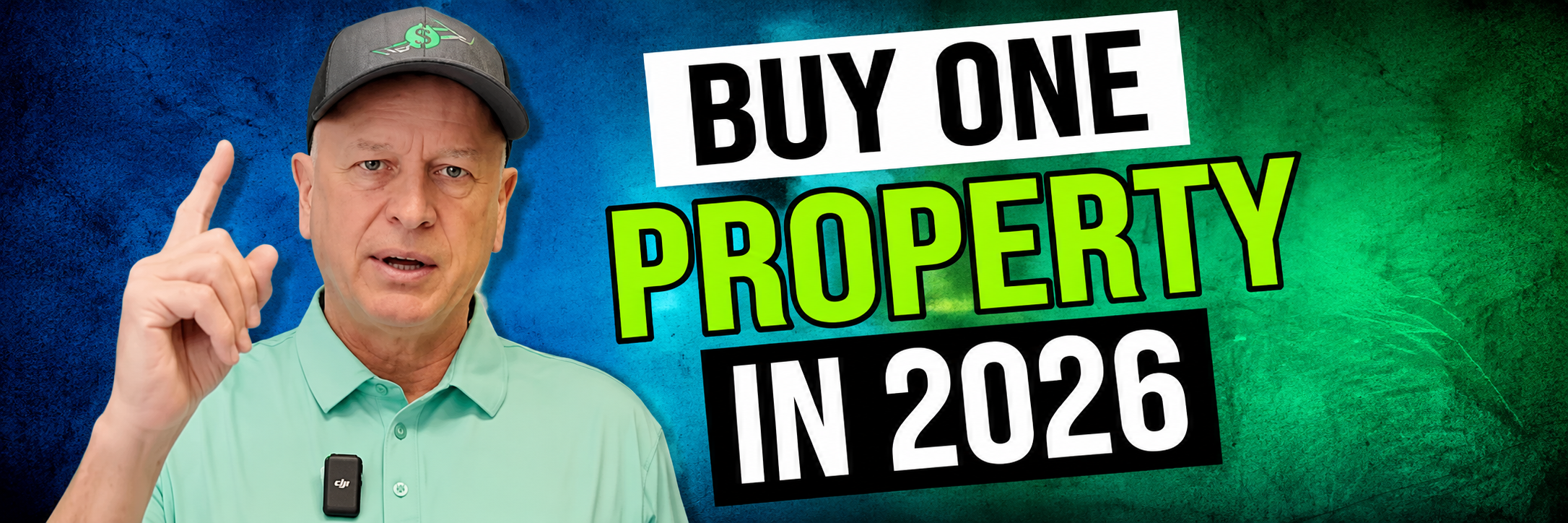
Why New Investors Should Only Buy One Property in 2026

Real estate investing can change your life. However, many new investors try to move too fast. They want five properties, ten rentals, or multiple flips right away. Sadly, that rush often leads to stress, bad deals, and lost money. That is exactly why Why New Investors Should Only Buy One Property in 2026 is such an important idea. Instead of chasing volume, focus on buying one GOOD property. Learn the process. Know your numbers. Build confidence. Then grow from there. In fact, one strong deal can do more for your future than five bad ones.

The Goal Is Not More Properties

Many new investors believe success means buying as many properties as possible. However, smart investors know something different.

The real goal is simple:

  • Buy right
  • Keep risk lower
  • Learn the process
  • Create cash flow or profit
  • Build confidence

Because of that, your first property matters more than your fifth. One good rental or flip can completely change how you look at money, income, and wealth.

One Good Property Can Change Everything

A new investor recently spent months looking at deals before buying his first flip. At first, that felt slow. However, he stayed patient, kept learning, and focused on the numbers. Eventually, he found the right property. At first, he expected to make a decent profit. Instead, the deal turned into a six-figure flip because he bought a GOOD property and stayed disciplined. That is the power of patience.

Meanwhile, many investors jump into the first deal they see. Then they end up with:

  • Too much rehab
  • Bad cash flow
  • Delays
  • Stress
  • Thin profits
  • Negative monthly payments

So, instead of trying to buy many properties in 2026, focus on getting one property right.

Good Deals Take Time

Real estate is a numbers game. Therefore, you must expect to look at many deals before finding a winner.

You may need to:

  • Look at 100 properties
  • Analyze 20 possible deals
  • Submit several offers
  • Wait months for the right opportunity

That is normal. In fact, many successful investors spend more time saying “no” than saying “yes.” Furthermore, patience protects your money.

Know Your “All-In” Number

One of the biggest mistakes new investors make is only looking at the purchase price. However, smart investors look at the TOTAL cost. This is called your “all-in” number.

Your all-in number includes:

  • Purchase price
  • Rehab costs
  • Closing costs
  • Holding costs
  • Loan payments
  • Utilities
  • Insurance
  • Taxes
  • Selling costs

Everything counts. Because of that, you must know your total investment before you buy.

The 75% Rule Helps Protect You

Many experienced investors use a simple guideline. They want to stay around 75% all-in compared to the final property value.

Here is a simple example:

  • Final property value: $300,000
  • Maximum all-in amount: $225,000

That leaves room for:

  • Profit
  • Delays
  • Market changes
  • Unexpected repairs

More importantly, it helps protect beginners from disaster. Because in 2026, protecting your downside matters just as much as chasing upside.

Your First Deal Is About Confidence

Your first property is not just about money.

It is also about learning:

  • How contractors work
  • How loans work
  • How holding costs work
  • How timelines move
  • How inspections happen
  • How numbers affect profits

Therefore, your first deal should build confidence, not chaos. Once you finish one successful property, the second one feels easier. Then the third feels even easier. That confidence becomes powerful.

Rentals Still Need Strong Numbers

Some people think rental properties are automatically safe. Sadly, that is not always true. A rental only works if the income works.

Therefore, before buying, ask:

  • What is the expected rent?
  • What are the taxes?
  • What is the insurance cost?
  • What are the loan payments?
  • What repairs are needed?
  • Will this property truly cash flow?

For example:

If a property brings in $2,000 per month but costs $2,100 per month to own, you are losing money every month. That is not investing. That is stress. So, know your target cash flow before you buy.

Competition Matters in 2026

In many markets, more homes are sitting for sale longer than before. Because of that, investors must pay attention to inventory. If too many homes compete against yours, values can soften.

That means:

  • Flips may sell slower
  • Rental appraisals may come in lower
  • Profits may shrink

Therefore, focus on areas where:

  • Homes move quickly
  • People want to live
  • Demand stays strong
  • Inventory stays lower

Good areas help create better exits.

You Do Not Need to Be Perfect

Many new investors wait forever because they fear making mistakes. However, you do not need perfection.

You simply need:

  • Better numbers
  • Better patience
  • Better planning
  • Better buying decisions

That is why one property makes sense in 2026. It gives you room to learn without overwhelming yourself.

Focus on Learning the Process

The investors who succeed long term usually master the basics first.

They learn how to:

  • Run numbers
  • Find deals
  • Talk to agents
  • Work with wholesalers
  • Understand financing
  • Estimate repairs
  • Manage timelines

Then they scale later. Because of that, 2026 should be your learning year. Not your rushing year.

Buy Right First

In real estate, the buy matters most. A good buy gives you options. Meanwhile, a bad buy creates pressure.

That is why smart investors focus heavily on:

  • Buying below value
  • Knowing the market
  • Running numbers carefully
  • Understanding repairs
  • Planning for delays

The better you buy, the safer your deal becomes.

One Property Can Change Your Trajectory

Many people think they need dozens of properties to build wealth.

However, one strong deal can create:

  • Confidence
  • Experience
  • Cash flow
  • Extra savings
  • Funding for the next deal
  • Better loan options later

Then momentum starts building. In fact, five good properties over several years can completely change your income and future. But first, you need property number one.

Final Thoughts

2026 does not need to be the year you buy everything. Instead, let it become the year you buy wisely.

Focus on:

  • One good property
  • Strong numbers
  • Patience
  • Learning
  • Confidence
  • Better buying decisions

Because when you buy right, everything becomes easier later. Take your time. Run your numbers. Learn the process. Then let that first great deal help build the future you really want.

Watch my most recent video to find out more about: Why New Investors Should Only Buy One Property in 2026

by

Myth Busted: Why 100% Financing Doesn’t Exist. Real estate investors hear it all the time. “Get 100% financing for your flip.” At first, that sounds amazing. However, there is a big problem with that statement. True 100% financing does not exist. Yes, some lenders will fund 100% of the purchase price. In addition, some lenders will fund 100% of the rehab budget. Still, that does not mean they fund 100% of the deal. There are many other costs that show up during a project. Therefore, if you are not ready for them, your profits can disappear fast. Even worse, many investors slow down projects because they run out of available funds. As a result, delays pile up, stress builds, and profits shrink. The good news is this problem is fixable. Once you understand how real estate project cash flow really works, investing becomes easier, faster, and more profitable.

The Real Problem with “100% Financing”

Many new investors think this: “If the lender covers the purchase and repairs, I do not need any money.” Unfortunately, that is not how investing works. There are always costs outside the loan. For example, many lenders do not cover:

  • Closing costs
  • Title fees
  • Insurance
  • Origination fees
  • Legal fees
  • Utilities
  • Option fees
  • Wholesale fees
  • Over-budget repairs
  • Contractor deposits
  • Escrow timing gaps

Therefore, even if a lender says “100% financing,” you still need available funds ready to go. One project from the transcript showed nearly $13,000 in costs that were not covered by the lender on a $250,000 loan. That is real money investors still had to bring to the table.

The Hidden Costs That Kill Deals

Most investors only look at the purchase price and rehab budget. However, real profits come down to speed and preparation. Let’s look at what really happens during a project.

Closing Costs Add Up Fast

Every deal has fees.

For example:

  • Title company charges
  • Loan fees
  • Insurance costs
  • Underwriting fees
  • Mortgage taxes
  • Legal fees

Individually, these may not seem huge. However, together they can become thousands of dollars. One example from the transcript showed almost 3.8% of additional costs outside the lender funding. Therefore, a project that “looked funded” still needed over $12,000 out of pocket. That catches many investors by surprise.

Cash Flow Problems Slow Projects Down

Now let’s talk about the bigger danger. Cash flow. This is where many investors lose money. For example, contractors often need deposits upfront. In addition, materials like windows, doors, or flooring may need to be ordered before escrow reimbursements arrive. So, even though the lender may reimburse those costs later, you still need the money today.

Otherwise:

  • Contractors stop showing up
  • Materials arrive late
  • Inspections get delayed
  • The project slows down
  • Holding costs increase

Then profits start leaking away month after month.

Every Month Delayed Costs You Money

Speed matters in real estate investing.

The faster you finish:

  • The lower your holding costs
  • The lower your interest payments
  • The lower your stress
  • The faster you can move to the next deal

However, when projects drag out, profit erosion starts.

For example:

  • Interest keeps building
  • Utilities continue every month
  • Taxes keep coming
  • Insurance costs continue
  • Contractors leave for other jobs
  • Market conditions can change

One extra month may not seem like a big deal. However, two or three extra months can destroy a large part of your profit. That is why available funds matter so much.

Why Smart Investors Aim for 120% Funding

Experienced investors understand something beginners often miss. They know they need more than the lender loan. That is why many successful investors try to be “120% funded.”

In simple terms, that means:

  • The lender covers most of the deal
  • The investor has extra available funds ready

Those available funds help cover:

  • Closing costs
  • Surprise repairs
  • Escrow timing gaps
  • Contractor payments
  • Carry costs
  • Material deposits
  • Budget changes

As a result, the project keeps moving. And when projects move faster, profits usually improve. The transcript explained this perfectly. Investors who already have available funds set up often complete projects faster and with less stress.

Good Investors Build “Money Buckets”

Professional investors do not wait until problems happen. Instead, they prepare ahead of time. They create what many investors call “money buckets.” These are available funding sources that sit ready until needed.

For example:

  • Business credit cards
  • HELOCs
  • Lines of credit
  • Private money
  • Cash reserves
  • Funding partners

The key is simple. You do not use these funds unless needed. However, having them available keeps your project moving at full speed. That is a huge advantage.

A Simple Example

Let’s say two investors buy similar properties.

Investor #1 Has Available Funds

  • Contractors stay paid
  • Materials arrive early
  • Repairs move fast
  • The project finishes in 3 months

Investor #2 Runs Tight on Money

  • Contractors wait for payment
  • Materials get delayed
  • Escrow refunds arrive late
  • The project takes 6 months

Now look what happens.

Investor #2 pays:

  • More interest
  • More utilities
  • More insurance
  • More taxes
  • More stress

Meanwhile, Investor #1 already moved on to the next deal. That is the power of proper funding.

“100% Financing” Should Mean Something Different

The real goal is not finding a lender that funds everything. The real goal is building a full funding system.

That means:

  1. The lender funds the main loan
  2. You have available funds ready
  3. Your project keeps moving fast
  4. You protect your profits

That is real investing. And honestly, this mindset change helps investors more than almost anything else.

Final Thoughts

The myth of 100% financing hurts many new investors. They think the lender handles everything. However, real projects always need more cash flow, more planning, and more available funds. The good news is simple.

Once you understand this:

  • You can plan better
  • You can move faster
  • You can lower stress
  • You can protect profits
  • You can grow your investing business easier

The investors who win are usually not the ones with the fanciest projects. Instead, they are the ones who stay prepared. They understand cash flow. They understand speed. And most importantly, they understand that real estate investing is about keeping projects moving forward.

Watch my most recent video to find out more about: Myth Busted: Why 100% Financing Doesn’t Exist

by

Qualifying for a DSCR Loan

Categories: ,

Qualifying for a DSCR loan can feel a bit different from qualifying for a traditional loan. This is due to the fact that a DSCR loan is based on the properties ability to pay for itself as opposed to being based on your income. Today we are going to walk through a quick guide to qualifying for a DSCR loan in order to help you to see whether or not your property qualifies. 

First: Understand the role of the property income: 

The property’s income must cover the mortgage payment, property taxes, insurance, HOA fees and other costs.

Second: Use the DSCR calculator:

The Cash Flow Company offers a free DSCR calculator tool that can see if a property qualifies.

Third: Adjust LTV Ratios if needed:

If your DSCR is below 1, consider adjusting your LTV. Dropping to 75% or even 70% can make a big difference.

Fourth: Use realistic rent numbers:

It is important that you use accurate rent numbers. An appraiser will check the rent for the neighborhood, so you need to be realistic with your calculations.

Fifth: Consider interest rates and how they affect DSCR:

Interest rates impact DSCR. If rates go up, your DSCR might drop below 1, meaning that the property may no longer qualify. 

Finally: Make sure it’s a good investment:

Once you have a DSCR above 1, double check that the property will either make money or cost you monthly. 

Contact Us Today! 

Is a DSCR loan right for you? Contact us today to find out more about DSCR loans!

Free Tools For You! 

We also have free tools available! Download the DSCR Quick Calculator today to see if a DSCR loan is the best option for your investment properties! 

Learn more!

Visit our YouTube channel to learn more about real estate investing and how you can get on the fast track to success! 


by

Understanding whether your rental property fits into a lender’s box is key to getting the financing you need. Each lender has specific requirements, and one of the big ones is seasoning. Let’s dive into what seasoning is, why it matters, and how you can navigate lender requirements for your property.

What Is Seasoning?

In lending, “seasoning” refers to how long you’ve owned a property. From the moment you buy a property, it starts “seasoning” in the lender’s eyes. The longer you own it, the more seasoned it becomes. Lenders often have rules about seasoning, especially when it comes to cash-out refinances.

  • Example: If you bought a rental property two months ago, it has two months of seasoning.

How Seasoning Affects Your Cash-Out Refinance

If you’re planning a cash-out refinance, most lenders want the property to be seasoned for a certain period. For example, many traditional lenders require 12 months of seasoning before they’ll allow you to take cash out. However, some DSCR lenders, who focus on a property’s income potential, have more flexible seasoning requirements.

Typical Seasoning Requirements:

  1. Traditional Loans: Usually require 12 months of ownership.
  2. DSCR Loans: Often require just 6 months of seasoning.
  3. Shorter Terms Available: Some DSCR lenders even go as low as 3 months and, in rare cases, 0 months.

Why Seasoning Matters for BRRRR Investors

For investors using the BRRRR (Buy, Rehab, Rent, Refinance, Repeat) strategy, seasoning plays a huge role. The goal is to buy, fix, and rent a property quickly, then refinance to pull your cash back out for the next deal. A shorter seasoning period lets you access the property’s appraised value sooner, which is ideal for keeping your investment cycle moving.

Example of Why Short Seasoning Matters:

Imagine you bought a fixer-upper for $275,000 and put $25,000 into rehab. After the work, the property appraises at $400,000. Here’s why you want a shorter seasoning period:

  • With 12-Month Seasoning: You’d have to wait a full year to access that $400,000 appraisal value.
  • With 6-Month Seasoning: You could refinance in half the time, freeing up funds to invest in your next project.
  • With 3-Month or No Seasoning: You’re moving even faster, which is ideal for BRRR investors aiming for quick turnaround.

Find the Right DSCR Lender for Your Project

Not all DSCR lenders are the same. Each has its own box of requirements, including different seasoning rules. Here’s what to look for:

  1. Know the Seasoning Requirement: Make sure the lender’s seasoning timeline matches your goals.
  2. Consider a Broker: Brokers often have access to multiple lenders, giving you options that a direct lender might not offer.
  3. Check for Flexible Terms: Some lenders allow for 0-3 months seasoning, which can be a game-changer if you want to move fast.

The Loan Cost Optimizer Tool

At The Cash Flow Company, we understand that finding the right lender box can be challenging. To help, we offer a Loan Cost Optimizer Tool. This tool lets you compare costs and options across lenders to find the best match for your deal, whether it’s a fix-and-flip, DSCR, or traditional loan.

Ready to Get Started?

If you’re ready to explore your options, visit The Cash Flow Company and use our Loan Cost Optimizer to see where your rental property fits best. And if you have questions, feel free to reach out—we’re here to help you make your investing journey smooth and profitable!

By knowing where your rental property fits in a lender’s box, you can move confidently from one project to the next without delay.

Watch our most recent video to find out more about: Does Your Rental Property Fit in a Lender’s Box?

by

If you’re diving into real estate investing, you’ve probably heard of DSCR loans. One of the most common questions we get is: Can I get a DSCR loan faster than a traditional loan? The answer is usually yes! Let’s explore the three main reasons why DSCR loans often close quicker, helping you start growing your wealth sooner.

1. No Tax Returns Needed

One of the biggest hurdles with traditional loans is the paperwork. Most banks require personal and business tax returns to prove your income history. This can be a problem if you haven’t filed taxes recently or if you’re new to the business.

With a DSCR loan, there’s no need to provide tax returns! That means you can qualify even if you’ve just started your business or recently moved to a new city.

Example:

Imagine you just launched your real estate investing business. You haven’t filed taxes yet or moved from another city. With a traditional loan, you’d need to wait two years to prove your income. But with a DSCR loan, none of that matters—they only look at your property’s potential to make money.

This quick qualification makes a DSCR loan much faster than a traditional loan, allowing you to get started right away.

2. No Business History Required

Traditional lenders usually want to see a solid business history. If you recently switched from a W-2 job to being self-employed or changed your field of work, they might not approve your loan.

DSCR loans don’t have these strict rules. They focus on the income from the property, not your past job or business experience.

Example:

Let’s say you used to work a 9-to-5 job but decided to switch to a freelance role. Traditional lenders might say no because you don’t have a long history in your new career. But with a DSCR loan, all that matters is that your rental property can cover its costs or even generate cash flow.

This flexibility speeds up the process, making DSCR loans a smart choice when you’re eager to invest.

3. Start Building Wealth Faster

The biggest advantage of DSCR loans is how fast you can start building wealth. Traditional loans often force you to wait two years or more to prove your income on paper. In contrast, DSCR loans allow you to begin investing right away.

With a DSCR loan, you can start now and use your rental income to qualify. This means you don’t have to wait to grow your portfolio and start earning passive income.

Example:

Suppose you found the perfect rental property that’s ready to go. Instead of waiting years to build up your tax returns, you can use the property’s rental income to qualify for a DSCR loan today. This way, your journey to financial freedom starts now, not later.

Use Our DSCR Calculator to Plan Your Investment

At The Cash Flow Company, we offer a DSCR calculator to help you see if your rental property will cash flow. This tool lets you run the numbers on your potential investment, so you know if it’s a good fit for a DSCR loan. Visit our website to give it a try!

Conclusion

If you want to grow your wealth faster and start investing without the long wait, DSCR loans are a great choice. They’re perfect for new investors or anyone looking to build a rental portfolio quickly. While traditional loans might hold you back with their strict rules, DSCR loans let you focus on what matters most—the property itself.

So, why wait years when you can start now? Explore DSCR loans and see how they can help you achieve your real estate goals! Contact us today to find out more!

Watch our most recent video to learn more about: “Can I Get a DSCR Loan Faster Than a Traditional Loan?”

by

Buy and refi: here’s how BRRRR works.

Say you buy a house and rent it. What’s the big deal? Hopefully, your rental income is a little more than your mortgage payment, and you’re able to pocket the extra cash or save it for future real estate purchases.

How does BRRRR differ from this?

There’s a driving power behind BRRRR, making it a more profitable and fun process than simple rental investments.

BRRRR uses a two-loan strategy to capture maximum equity in value-add properties. Let’s go through these two loans and see how BRRRR works.

Buy: How the First BRRRR Loan Works

The first loan is the “B” of BRRRR – buy. There are 3 problems this first loan needs to solve.

1. Under-Market Property

To make this strategy work, the property you buy must be under-market. This is different from retail investing, where you buy and rent an at-market, rental-ready property.

An undervalued BRRRR property holds the potential to bring your net worth up. It’s a property that closes quickly and cheaply – even if it’s in rough shape.

Ideally, your BRRRR buy loan covers the entire cost of the house. This takes less out of your pocket and makes the process more profitable and repeatable.

2. Quick Closing

Why would there ever be a house selling for under-market? There are many conditions that bring a property to this point, such as a sudden move or foreclosure. Whatever the circumstance, the homeowner, wholesaler, bank, or whoever owns the house will want it gone and the money in their hand ASAP.

Your buy loan will need to close fast, with minimal underwriting, paperwork, or other hassles that come with traditional loans.

3. Rehab

Although profitable, an under-market property usually comes with a lot of necessary repairs. Many BRRRRs have construction budgets in the tens of thousands of dollars.

If that money comes out of your pocket, it almost defeats the purpose of a value-add property. It’s best to use the buy loan to leverage all rehab costs on a BRRRR.

What’s the Best Buy Loan?

An investor-specific loan, like a bridge loan or hard money, will check all three of these boxes.

While short-term investor-friendly loans make the perfect buy loan, you’ll need to refinance later in the BRRRR process.

Refinance: How the Second BRRRR Loan Works

The third “R” in BRRRR stands for refinance. At this point, we need a new loan on the property. There are 3 reasons.

1. Term Length

Hard money and bridge loans are useful when used right, but only good for a couple of months. How BRRRR works is that renting your property will require a second, longer loan. However long you’ll want to hold the rental unit is how long your refinance loan will need to be.

2. Rate

Hard money loans won’t have a good long-term interest rate. This second refinance loan should give you a much lower rate. Not only should a refinance create net worth, but it should also give you good cash flow on the property.

3. Capture Equity

BRRRR refinances tend to grab at least 25% of the house’s purchase price in added net worth. Check out this post to see how the numbers break down on a BRRRR refinance. 

Diving Deep Into How BRRRR Works

BRRRR is a powerful real estate investing strategy. We want to take away the mystery of how BRRRR works.

Download our free BRRRR map to put you on the right track with your next deal. And email us at Info@TheCashFlowCompany.com with any questions.

by