Today we are going to discuss the easy path to achieving real estate investor success. Real estate investing doesn’t have to be complicated. The most successful investors follow a simple, proven path to make deals easy, profitable, and stress-free. But many new investors get stuck—running into delays, unexpected costs, and funding issues that eat away at their profits.
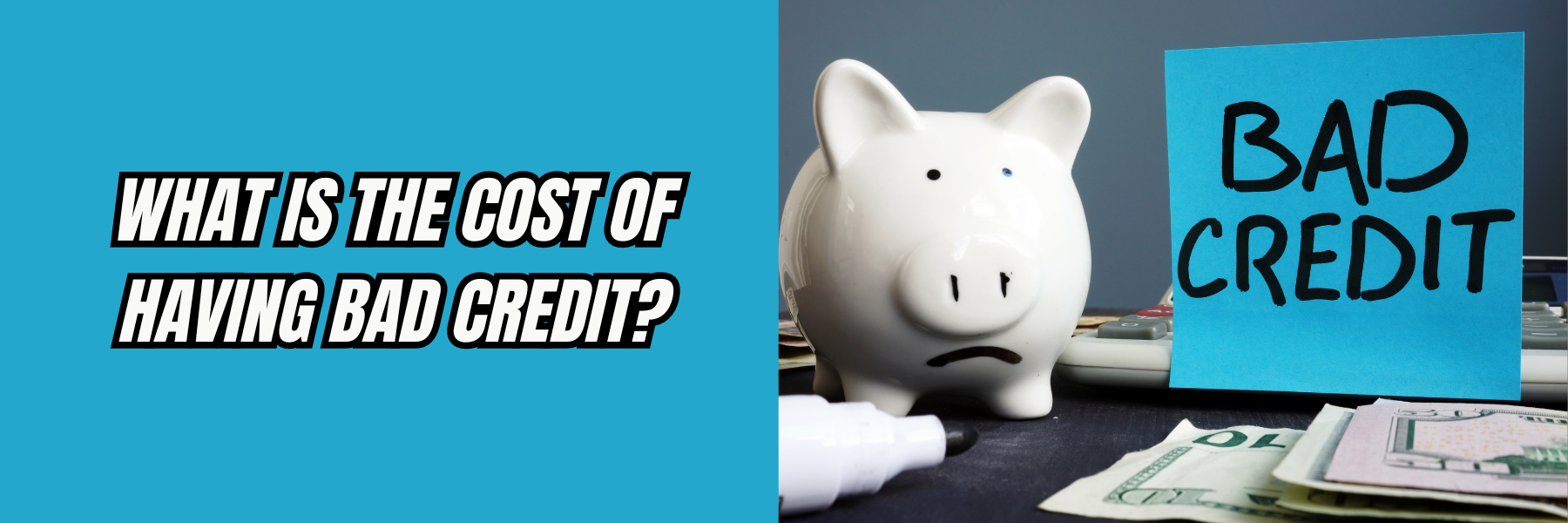
What Is the Cost of Having Bad Credit?
Categories: Blog Posts
Today we are going to discuss the cost of having bad credit. Bad credit is expensive. It affects your ability to borrow money, buy a home, or even get a car loan. But the real cost? It’s the extra money you pay over time.
Let’s take a look at an example.
Take two people buying the same house. One has great credit, the other has bad credit. The person with good credit gets a 6% interest rate. The person with bad credit gets an 8% rate. On a $250,000 loan, that’s a difference of over $300 per month! Over 30 years, that adds up to more than $100,000.
The same goes for car loans, credit cards, and even insurance. Bad credit means higher rates, bigger fees, and fewer options.
But here’s the good news, you can fix it. With the right steps, you can turn things around and start saving instead of spending extra.
Free Tools For You!
We also have free tools available! Download the Credit Score Checklist to see if your credit score is in the right place for your investment needs.
Learn more!
Visit our YouTube channel to learn more about the cost of having bad credit.
Today we are going to discuss how to use a HELOC to invest in real estate. One of the most powerful tools in real estate investing is a Home Equity Line of Credit (HELOC). It provides quick access to cash that can be used to purchase properties, make repairs, and cover expenses without going through the long approval process of traditional loans.
With the right strategy, a HELOC can help investors move faster, secure better deals, and maximize their profits. In this guide, we’ll break down what a HELOC is, how it works, and the best ways to use it for real estate investing.
Why Real Estate Investors Need a HELOC
A HELOC (Home Equity Line of Credit) is one of the best tools for real estate investors. It gives you money on demand—funds you can access anytime for your next project. Whether you need cash to purchase a property, make repairs, or cover holding costs, a HELOC provides flexibility.
We call this a “money bucket.” Successful investors always have available credit ready to use when an opportunity comes up. A HELOC is a great way to keep your money bucket full.
What is a HELOC?
A HELOC is a home equity line of credit. It’s a flexible loan that works like a credit card but with a much lower interest rate. You can get a HELOC on:
- Your primary residence
- Rental properties
- Even some commercial buildings
Most HELOCs are second mortgages, but some can be first-position loans. The amount you can borrow depends on the equity in your property.
How to Use a HELOC for Real Estate Investing
A HELOC can be used for nearly anything in real estate. Here are a few ways investors use them:
- Down Payments: Cover the down payment for your next investment.
- Full Purchases: Buy properties outright, especially at auctions or through wholesalers.
- Repairs & Renovations: Pre-fund materials and labor to keep your project moving fast.
- Carrying Costs: Pay interest, insurance, or other holding costs while flipping a property.
- Contractor Payments: Keep projects on schedule by paying contractors on time.
Example: The Cost Savings of a HELOC vs. Credit Cards
Let’s say you need $100,000 for a project. If you borrow on a HELOC at 8%, your annual cost is $8,000. But if you use a credit card at 24%, that jumps to $24,000! That’s a $16,000 savings just by using a HELOC instead of high-interest debt.
How HELOCs Work
Most HELOCs allow borrowing up to a percentage of your property’s value, minus any existing mortgage. Let’s break it down:
Example: Getting a HELOC on a Rental Property
- Property Value: $200,000
- Max Loan-to-Value (LTV): 75%
- Total Loan Allowed: $150,000
- Existing Mortgage: $100,000
- Available HELOC Amount: $50,000
With a HELOC, you only pay interest on the amount you use. If you take out $10,000 for a short period, you only pay interest on that amount, not the full $50,000 available.
Benefits of a HELOC for Real Estate Investors
- Access Cash Without Selling: You can tap into equity without refinancing or selling the property.
- Lower Costs Than Credit Cards: Interest rates are much lower compared to personal loans or credit cards.
- Flexible Use: Pay contractors, cover expenses, or secure your next deal without waiting.
- No Ongoing Payments Unless Used: If you don’t borrow, you don’t pay interest.
Who Are the Best HELOC Lenders for Investors?
Not all banks offer HELOCs on rental properties. The best places to check are:
- Local Credit Unions
- Small Regional Banks
Big banks like Chase, Wells Fargo, or U.S. Bank typically don’t lend HELOCs for real estate investors unless you meet strict requirements. Instead, smaller banks and credit unions tend to be more flexible.
Why We Love HELOCs
HELOCs are one of the best strategies for real estate investors. They cost little to set up and give you cash when you need it. Many small banks and credit unions offer HELOCs with minimal fees—sometimes just a couple hundred dollars to set up, with an annual fee of around $99.
Having a HELOC ready means you can jump on great deals without waiting for loan approvals. The faster you secure and complete projects, the more money you make.
Set Up Your Money Bucket
A HELOC is one of the best tools for real estate investors, but it’s just one piece of a strong money bucket strategy. Other tools include:
- Business Credit Cards (for short-term expenses)
- Personal Credit Cards (when used wisely)
- Private Money (from investors or partners)
- Unsecured Business Lines of Credit
The more funding options you have, the faster and more profitable your real estate business will be. Speed is everything in real estate, and having money ready to go puts you ahead of the competition.
If you have questions about HELOCs, how they work, or how to qualify, leave a comment below. We’re happy to help!
Watch our most recent video to find out more about:How to Use a HELOC to Invest in Real Estate
Today we are going to discuss how you can change your game with peer to peer lending! Tired of waiting on banks to approve your loan? Peer-to-peer (P2P) lending could be your new game-changer. Instead of going through a traditional lender, you borrow money directly from individuals willing to invest in real estate deals.
Think of it like this: John wants to flip a house but can’t get a bank loan fast enough. Instead of losing the deal, he connects with Sarah, a private lender looking for a solid return on her money. They agree on terms, and John gets the cash he needs without the red tape.
P2P lending opens doors for investors who may not qualify for traditional loans. It’s faster, more flexible, and often tailored to fit unique deals. Whether you’re a house flipper needing quick cash or a rental investor looking for a creative funding source, this approach can help.
The best part? It’s a win-win. Investors get funding, and lenders earn solid returns.
Contact Us Today!
Are you ready to change the game with peer to peer lending? Contact us today to find out more!
Free Tools For You!
We also have free tools available! Download the Loan Optimizer what financing would be best for your investment property.
Learn more!
Visit our YouTube channel to learn more about real estate investing and how you can get on the fast track to success!
Flipping Homes is a Race—But is Your Money Stuck at the Starting Line?
Stop waiting on your lender to fund your flip! Flipping homes comes down to speed. The faster you complete the project and get it on the market, the better. Delays cost you time, money, and unnecessary stress. Even worse, market conditions can shift while you’re waiting.
So what’s slowing you down? Cash flow. The money needed at the right time to get things started and keep them moving.
The Problem: Why Lenders Slow You Down
Many investors assume that once they close a loan, they have full access to the funds. But in reality, lenders hold back money in escrows, only releasing it after specific work is completed.
How Escrows Really Work:
- Lenders set aside money for repairs, but they won’t release funds upfront.
- Funds are only disbursed after certain work is completed.
- Lenders base their loans on the finished value of the property, not its current condition.
This creates a big challenge: You need money to start, but your lender won’t release funds until after work is done.
The Real Cost of Delays
Every delay increases your holding costs:
- Mortgage payments stack up.
- Property taxes continue to accrue.
- Insurance costs keep adding up.
- Contractors move on to other jobs if you don’t pay them on time.
Even worse, if you miss the prime selling season, your home could sit on the market longer, reducing your profits.
The Fix: Get Your Money Bucket Ready
Top investors don’t wait for their lender to release funds. They have money ready to keep projects moving from day one. This is what we call your Money Bucket—a pool of funds you can access immediately.
How to Set Up Your Money Bucket:
- Credit Lines & Business Credit Cards – Use available credit for pre-ordering materials and paying contractors upfront.
- Cash Reserves – Keep personal or business savings ready for immediate costs.
- Private Money (OPM) – Borrow from private lenders or partners who can provide quick funding.
The Winning Formula
A well-prepared investor doesn’t just dive in and figure things out later. Instead, they:
- Understand how escrows work before closing a deal.
- Line up money sources in advance.
- Prepay for materials and contractors to avoid project delays.
The Choice is Yours
You can either:
- Wait on your lender and watch your project drag on for months, increasing costs and cutting into profits.
- Get your Money Bucket ready and move fast, completing your flip in weeks instead of months.
Take Action Now
Stop waiting on your lender to fund your flip! To learn exactly how to set up your Money Buckets and flip homes faster, download our free Money Buckets eBook. It’s time to stop waiting and start winning in real estate investing!
Watch our most recent video to find out more!
Do you need help getting on the fast track to success? Contact us today!
How to Fund Your Fix and Flips FAST
Categories: Blog Posts
Flipping Homes is a Race—Is Your Money Stuck at the Starting Line?
Today we are going to discuss how to fund your fix and flips fast! Flipping homes is all about speed. The faster you get your project done and on the market, the more money you make. But if your cash flow isn’t ready when you need it, everything slows down.
The Biggest Problem: Cash Flow
Many investors believe that since the lender funds the deal, they shouldn’t run into money problems. But here’s the reality: lenders hold escrow funds for your repairs, and they only release money after the work is completed. That means you need money upfront to:
- Pre-order materials like doors and windows.
- Pay contractors so they can schedule and start work.
- Cover costs for permits, architects, or engineers.
This creates a major issue. You need money to start the work, but the lender only gives you money once the work is done. So, how do you fix this?
The Solution: Get Your Money Bucket Ready
The best fix-and-flip investors don’t wait until closing to figure out how they’ll cover upfront costs. They plan ahead by having fast-access funds available. This doesn’t mean you need a huge bank account—just a plan for immediate access to cash when needed.
Where Can You Get Fast Money?
- Business or personal lines of credit – Available cash when you need it.
- Business credit cards – Use them strategically to cover upfront costs.
- Private lenders or partners – Borrow short-term funds from other investors.
- Savings reserves – If available, set aside cash before you start.
Real Investor Example: Flipping in 4 Weeks
One investor we work with flips homes in four weeks or less—even with major structural repairs. How? He has his money bucket ready. He pre-orders materials, pays contractors upfront, and moves through the project without waiting on lender disbursements. The result? More flips, more profits, and less stress.
The Cost of Not Being Ready
If you don’t have a plan for funding your upfront costs, delays pile up fast:
- Lost time: Every extra month costs interest, taxes, and insurance.
- Lost contractors: If you don’t pay them, they move on to other jobs.
- Missed market opportunities: A project meant for peak selling season (May-July) could get delayed into winter, making it harder to sell.
What happens next? Investors who start without a plan often lose profits or even go into debt. We don’t want that to happen to you.
Get Ahead: Build Your Money Bucket Now
Investing is about learning before jumping in—not figuring it out as you go. The smartest investors set up their money bucket first. This includes:
✅ Having a plan for upfront costs. ✅ Knowing where your money will come from. ✅ Moving fast once the deal closes.
Even using short-term credit at 24-28% is often cheaper than missing deadlines, racking up interest payments, and losing months of potential profits.
Free Guide: Learn How to Fund Your Flips the Right Way
Want to set up your money bucket and avoid costly delays? Contact us today and Download our FREE ebook: Money Buckets for Investors and get step-by-step instructions on how to fund your fix and flips FAST.
Watch our most recent video to find out more about: How to Fund Your Fix and Flips FAST
Download free Money Bucket ebook: https://bit.ly/3EmqQiS
Flipping Homes Is a Race—Don’t Let Money Hold You Back
Today we are going to discuss: The Hack That Keeps Your Fix and Flip Moving Without Delays. Fix-and-flip success comes down to speed. The faster you complete a project, the sooner you get paid. But what if your money is stuck at the starting line? Delays can eat away at profits, add stress, and even cause you to miss the best selling season. So, what’s really slowing you down?
The answer: cash flow.
You need money at the right time to keep your project moving. But even if you have a lender, their funding process can still hold you back. Let’s break it down and, more importantly, fix it.
Why Do Lenders Slow Down Fix-and-Flips?
You might think, “My lender has 100% of my money, so why should cash flow be an issue?” In theory, that sounds right. But in reality, lenders only release money when specific work is completed.
Understanding Escrows
- Escrow funds are the money your lender sets aside for repairs.
- Lenders don’t give you money upfront. They pay for completed work, not future work.
- You must finish part of the project first before the lender releases more funds.
That’s where the problem starts. You need cash before work begins—to order materials, pay contractors, and get permits. But the lender won’t release funds until work is already done. So how do you keep the project moving?
The Key to Fix-and-Flip Speed: Your Money Bucket
The most successful investors have a strategy to avoid cash flow problems. They set up a Money Bucket—a pool of funds they can tap into whenever they need it.
How the Top Investors Keep Projects Moving:
- Pre-fund expenses using available cash, credit lines, or other financing.
- Pre-order materials like doors and windows to avoid supply delays.
- Secure contractors by paying deposits and keeping them scheduled.
- Cover upfront costs for permits, architects, and engineers.
Having quick access to money means you can start work immediately after closing, avoiding the typical delays that stretch a project from weeks to months.
Real Example: A Flipper Who Gets It Right
One of our investors consistently flips properties in under four weeks—even with structural repairs. How? He has his Money Bucket ready.
- He pre-orders materials before closing.
- He has a contractor lined up and paid to start immediately.
- He uses a credit line to cover expenses until escrow funds kick in.
While others sit waiting for money, he’s already halfway through his project.
The Cost of Delays: Why You Can’t Afford to Wait
Every month your project stalls, you lose money.
- Mortgage payments stack up.
- Property taxes and insurance keep adding up.
- Contractors move on to other jobs, pushing your timeline back even further.
- Market conditions change, and you risk missing the best selling window.
For example, if your goal is to list a property in May but delays push it to November, you could see fewer buyers and lower offers—killing your profits.
How to Build Your Money Bucket
To keep your fix-and-flip moving fast, you need access to funds—before lender escrow payments arrive.
Ways to Fund Your Money Bucket:
- Personal savings – Keep a reserve set aside.
- Business credit lines – Use revolving credit to cover short-term gaps.
- 0% intro APR credit cards – A great option if paid off quickly.
- Private money – Borrow from trusted sources who understand your timeline.
Even if you put $10,000–$15,000 on a credit card at 24% interest, that’s still cheaper than carrying extra mortgage payments for months.
Take Action Now: Be Ready Before You Flip
Successful fix-and-flippers don’t wait until closing to figure out cash flow. They prepare in advance. Contact us today to find out more!
✅ Build your Money Bucket before you buy your next flip. ✅ Know your lender’s escrow process and how long draws take. ✅ Have funding sources ready so you never have to pause work.
Need help setting up your Money Bucket? Download our free guide below and learn exactly how to keep your fix-and-flip moving fast.
Download free Money Bucket ebook: https://bit.ly/3EmqQiS
Watch our most recent video to find out more about: The Hack That Keeps Your Fix and Flip Moving Without Delays
How to Read My Credit Card Bill?
Categories: Blog Posts
Today we will be discussing a question that many people have, “how to read my credit card bill.” Your credit card statement holds the key to understanding your finances, credit usage, and interest charges. By knowing how to read it properly, can help you improve your credit score and get better loan terms for your real estate investments. Let’s break it down step by step.
Why Your Credit Card Statement Matters
Fist and foremost, your credit card bill isn’t just a list of purchases, it affects your credit score, loan approvals, and interest rates. If you manage it well, you can:
- Boost your credit score
- Qualify for better financing
- Reduce interest payments
- Improve cash flow for your real estate projects
Let’s dive into what each section of your statement means and how to use it to your advantage.
Key Sections of Your Credit Card Statement
1. Statement Balance vs. Current Balance
- Statement Balance: The amount you owe at the end of the billing cycle. This is what’s reported to the credit bureaus.
- Current Balance: This includes any new charges after your statement closing date. Paying this in full may not be necessary, but it helps reduce interest.
2. Payment Due Date
- This is the last day to make a payment without a late fee.
- Paying on time is crucial for maintaining a high credit score.
3. Minimum Payment
- The lowest amount you must pay to avoid late fees.
- Only paying the minimum can lead to high interest costs.
4. Credit Utilization (Usage Rate)
- Usage is the percentage of your available credit that you’ve used.
- Keeping it below 30% helps maintain a strong credit score.
- Example: If your credit limit is $10,000 and your balance is $5,000, your usage rate is 50%—too high!
5. Statement Closing Date
- This is when your balance is reported to credit bureaus.
- Pro Tip: Paying down your balance before this date can lower your usage as well as boost your credit score before applying for a loan.
6. Interest Charges and APR
- If you carry a balance, you’ll see how much interest you’re paying.
- Tip: Avoid interest by paying your full statement balance each month.
7. Transactions and Fees
- This section lists all purchases, cash advances, as well as fees.
- Review it for errors or fraudulent charges.
How to Use Your Statement to Improve Your Credit Score
1. Pay Down Balances Before the Closing Date
- Credit bureaus look at your balance on the statement closing date.
- Paying it down before this date lowers your usage rate and increases your score.
2. Keep Usage Below 30%
- Aim for under 29% of your total credit limit.
- Example: If you have $20,000 in credit, keep balances below $5,800.
3. Pay on Time, Every Time
- 35% of your credit score depends on payment history.
- Set up autopay or reminders to never miss a payment.
4. Use Business Credit Cards
- Some business credit cards don’t report usage to personal credit.
- This keeps your personal score high while still using credit for your investments.
How This Helps Real Estate Investors
Additionally, your credit score directly impacts your ability to secure loans, lines of credit, as well as the terms you receive. A higher score means:
- Lower interest rates on loans
- Higher loan amounts with less money out of pocket
- Faster approvals with fewer restrictions
By managing your credit card statement wisely, you can keep more money in your pocket and grow your real estate portfolio with ease.
Final Steps: Take Action Now
First, Check your statement today and find your closing date.
Second, Pay down your balance before the closing date to reduce usage.
Third, Keep usage below 30% to maintain a strong credit score.
Fourth, Use business credit cards to separate personal and investment expenses.
Finally, Monitor your credit score and adjust your strategy as needed.
Taking control of your credit card bill is a simple yet powerful way to improve your finances. By following these steps, you’ll be on your way to better loan terms and more profitable investments!
Contact us today to learn more about setting yourself up for success!
Watch our most recent video to find out more about: